Maui is the second‑largest island in Hawaiʻi, formed by two massive shield volcanoes: Haleakalā on the eastern side and the older, deeply eroded West Maui Mountains on the western side. Most visitors stay on the dry, sunny leeward side of the island — places like Kīhei, Wailea, and Lahaina — because the mountains block the trade winds and keep those areas warm and dry.
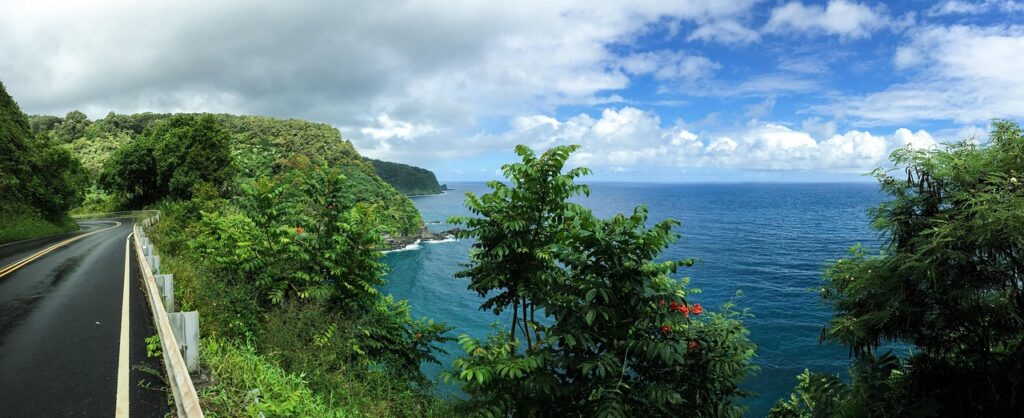
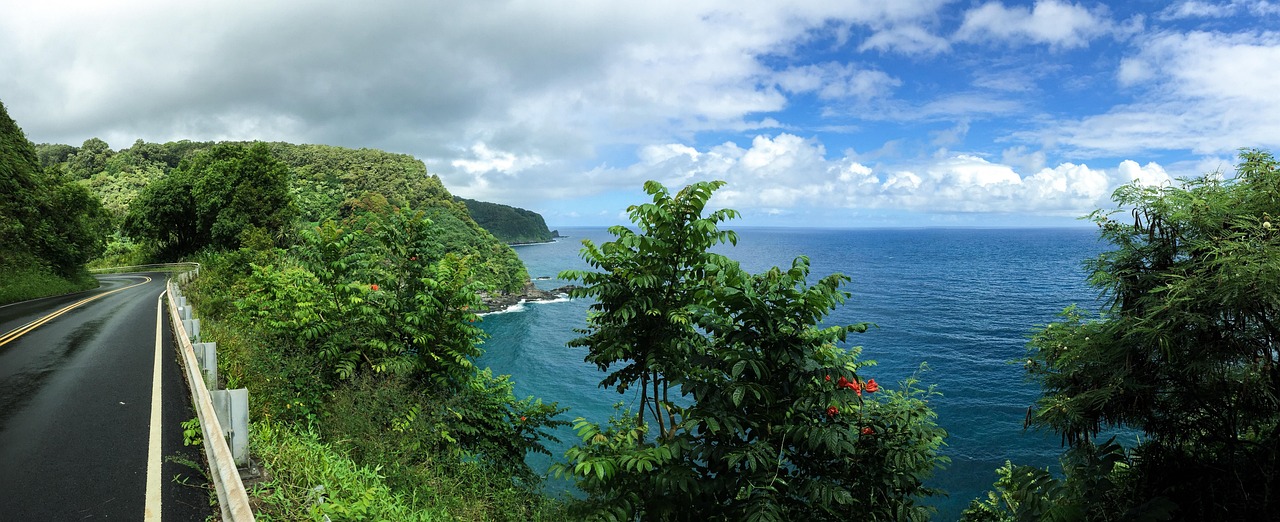
The Road to Hāna takes you to the opposite side of the island: the windward coast, which faces the incoming trade winds. When that moist air hits the steep slopes of Haleakalā, it rises, cools, and condenses. The result is one of the wettest regions in Hawaiʻi, with rainfall feeding dense rainforest, dozens of streams, and countless waterfalls. The views are spectacular all the way along… One side lush rainforest and the other side is sheer drop‑offs to the Pacific – blue as far as the eye can see.
The Road to Hāna is a 64‑mile route along Maui’s northeastern coastline. It has 620 curves and 59 one‑lane bridges, not because someone designed it that way, but because the road follows the contours of an ancient volcanic coastline.
Within minutes, my stomach reminded me that winding roads and I are not friends. So warning, if you get carsick easily, this is not the drive to do after a big breakfast.
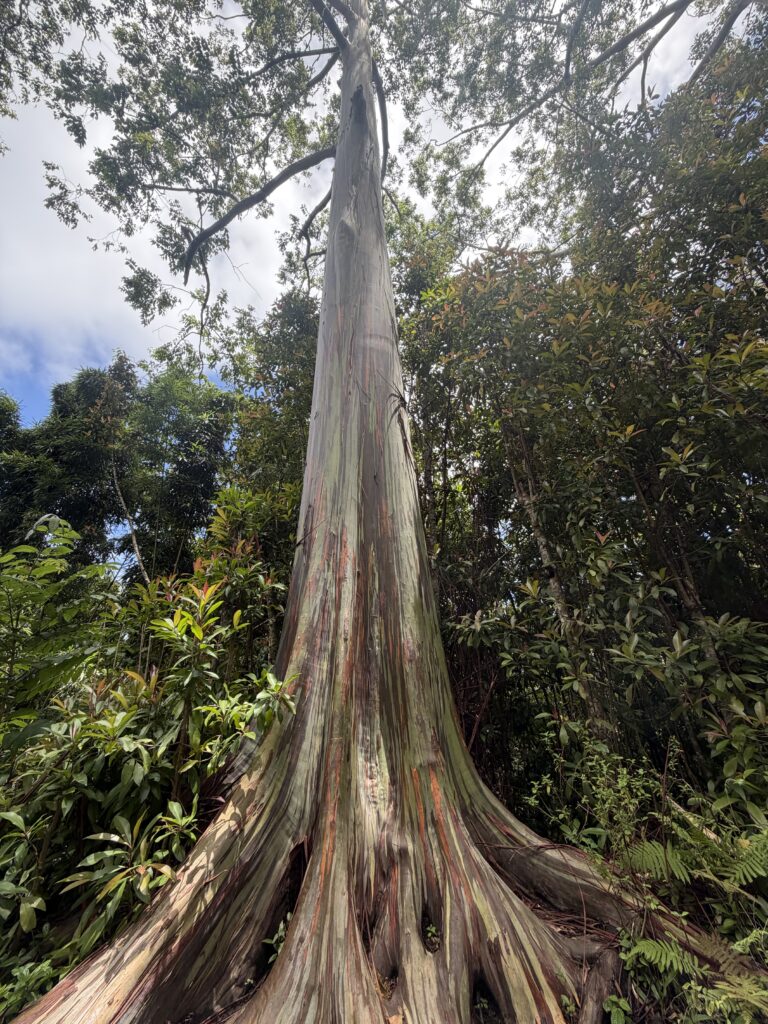
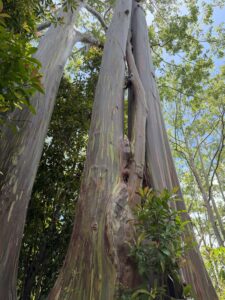
Rainbow Eucalyptus
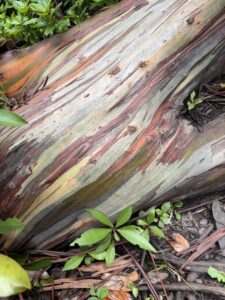
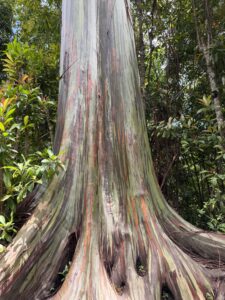
Our first stop was the incredible rainbow eucalyptus trees. They blew my mind – tall, smooth trunks with vertical streaks of green, orange, red, and purple. They look as though they’ve been painted, but nope… all natural!
I had to look it up. Apparently, the “rainbow” effect comes from differential aging of bark layers. The tree sheds its outer bark in strips. The newly exposed bark is bright green due to chlorophyll. As it oxidizes, it shifts to blue, purple, orange, and eventually brown. Different strips peel at different times, so the trunk becomes a multicolored timeline of bark aging.
They were just so incredibly beautiful to look at.
Kaumahina State Wayside
Next was Kaumahina State Wayside — a pullout with panoramic views of the coastline. Here, you can see how dramatic the geography is: steep volcanic cliffs, narrow valleys carved by rainfall, and the ocean constantly eroding the base.
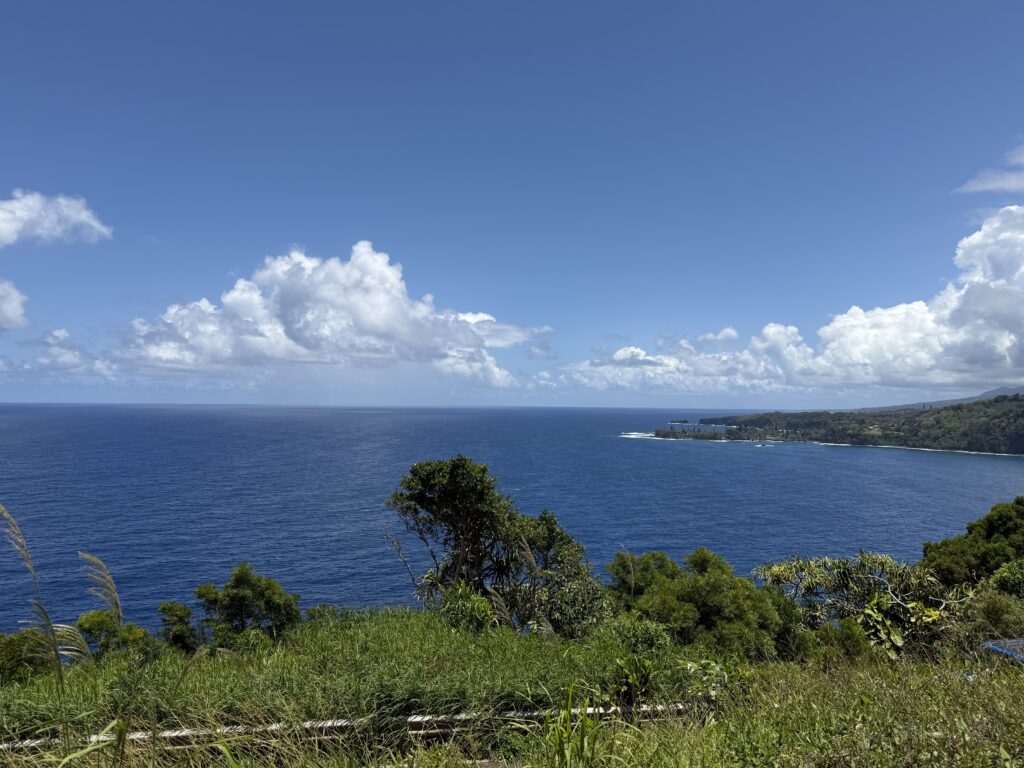
We had looked forward to this as a bathrooms stop; unfortunately, they were out of commission, which seems to be a common according to online sources. Good to know if you’re planning your own trip.
Waikamoi Ridge Trail
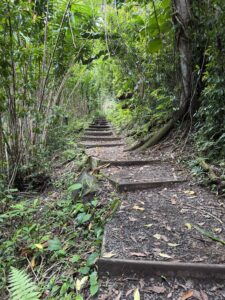
We stopped at the Waikamoi Ridge Trail for a short hike. It’s not long, but it’s a good way to stretch your legs and get a closer look at the rainforest ecosystem.
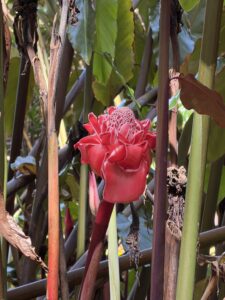
This area is dominated by introduced species — eucalyptus, guava, and ginger — but you can still spot native ferns and ʻōhiʻa trees if you know what to look for. The trail is damp, shaded, and noticeably cooler than the road. It’s a small reminder that Maui contains multiple microclimates packed tightly together.
Upper Waikani Falls (Three Bears)
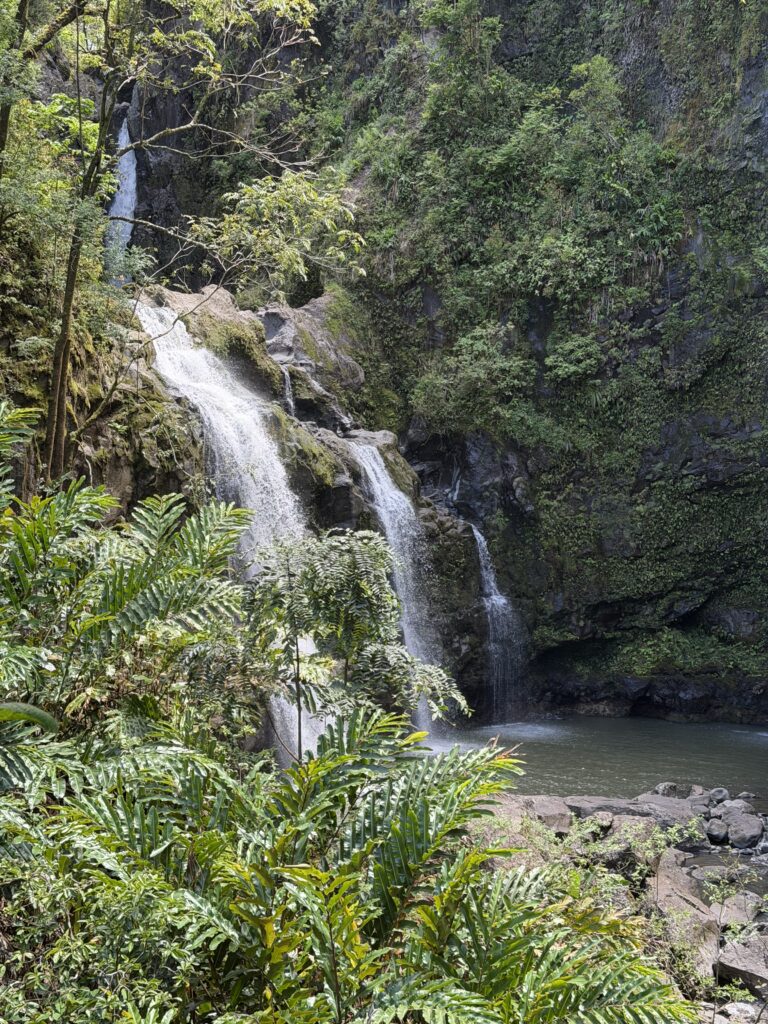
A little farther along is Upper Waikani Falls, also called the Three Bears because the three waterfalls are different sizes. This is one of the most photographed spots on the Road to Hāna.
The water here comes from the slopes of Haleakalā, Maui’s massive shield volcano. Rainfall percolates through porous volcanic rock, emerges as springs, and feeds the streams that create these falls.
Banana Bread: A Roadside Tradition
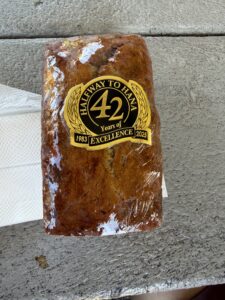
Somewhere after the falls, we stopped for banana bread. Maui is known for their banana bread and nearly every stand claims to have “the best banana bread on Maui,” and honestly, they’re all pretty good. The bananas here grow in volcanic soil and humid conditions, which makes them sweeter and softer — ideal for baking.
The banana bread we got was wonderfully moist and sweet.
Ho‘okipa Beach: Turtles at Sunset
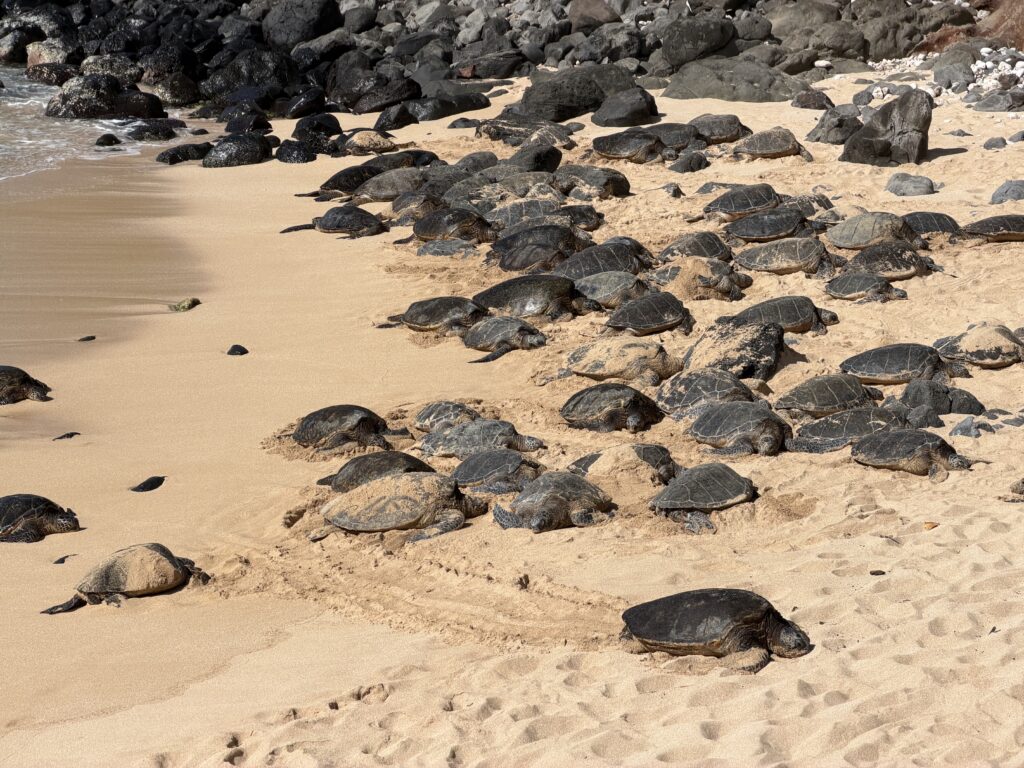
Ho‘okipa Beach was probably the highlight of my whole Hawai’i trip. There, we saw more than 50 turtles sunbathing on the beach!!
At first I didn’t even realize they were turtles – I though they were just dark boulders – Until they moved!
Sunbathing on the beach helps turtles regulate body temperature and rest between feeding cycles. It’s called “hauling out”, and it Ho‘okipa is one of the most reliable places on Maui to see them.
I loved just watching them. You can seem them swim along the coast quite quickly. They would then do a 90° turn towards the beach, then they would get a bit stuck and just wait there. When they next tide came it, they would let the next tide push them further on land and maybe add a paddle or two, and then just rest there again until the next wave.
Watching them settle into the sand at sunset was the perfect end to the day
Note: Nothing in this post is sponsored, gifted, or paid for. We buy our own snacks, wait in our own lines, and form our own opinions the old‑fashioned way — by actually being there. If we mention a place, product, or experience, it’s simply because we thought it was interesting enough to share.
Read more about Mimi’s trip to Hawai’i:
🖋️Writer Spotlight: Mimi
🇺🇸 Hawaii (April 2026 Postcard)
🇺🇸🌺 A day in Maui: Road to Hāna
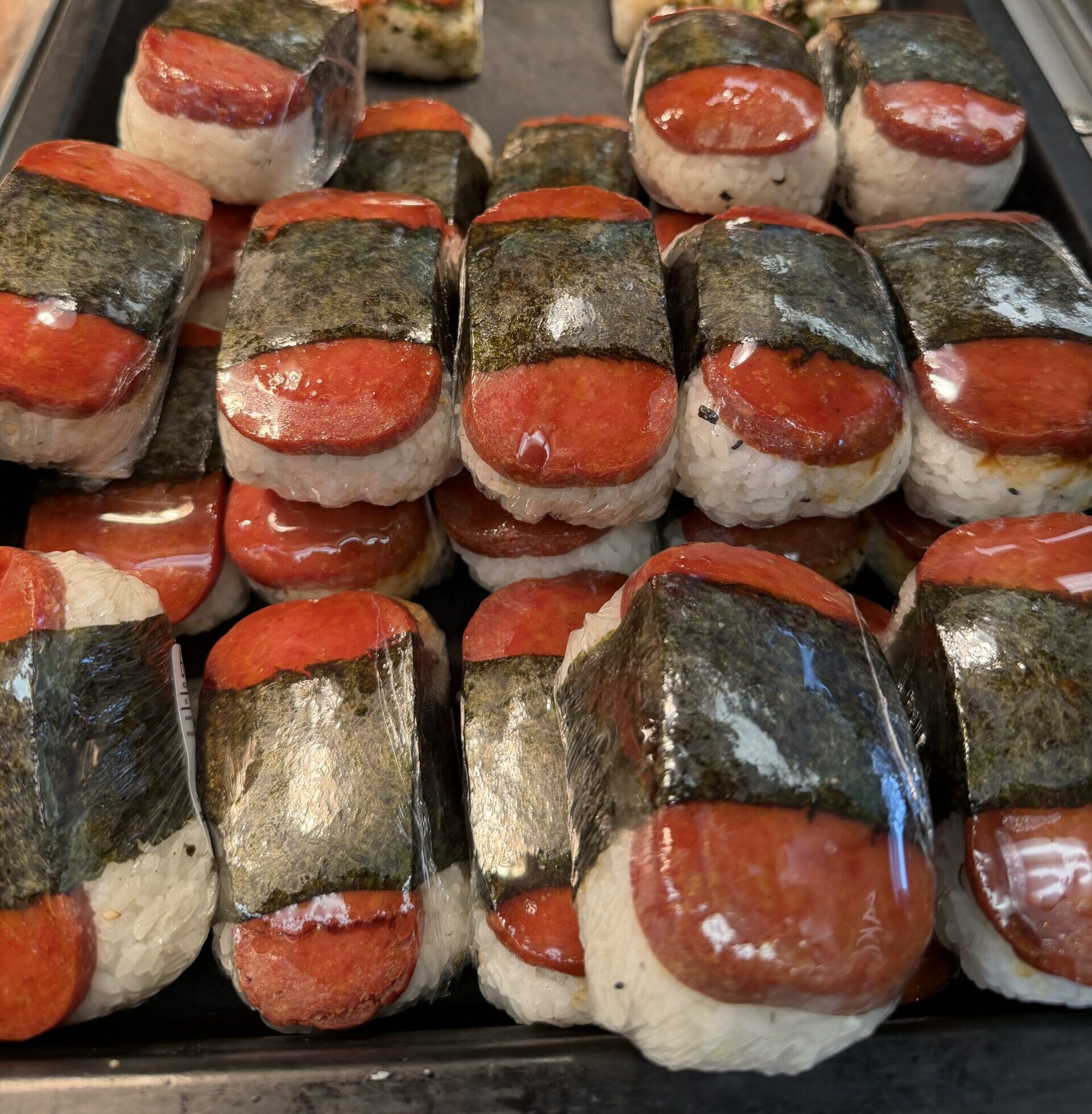
🇺🇸🌺Spam, Rice, Repeat: Why Hawaii Loves Spam!
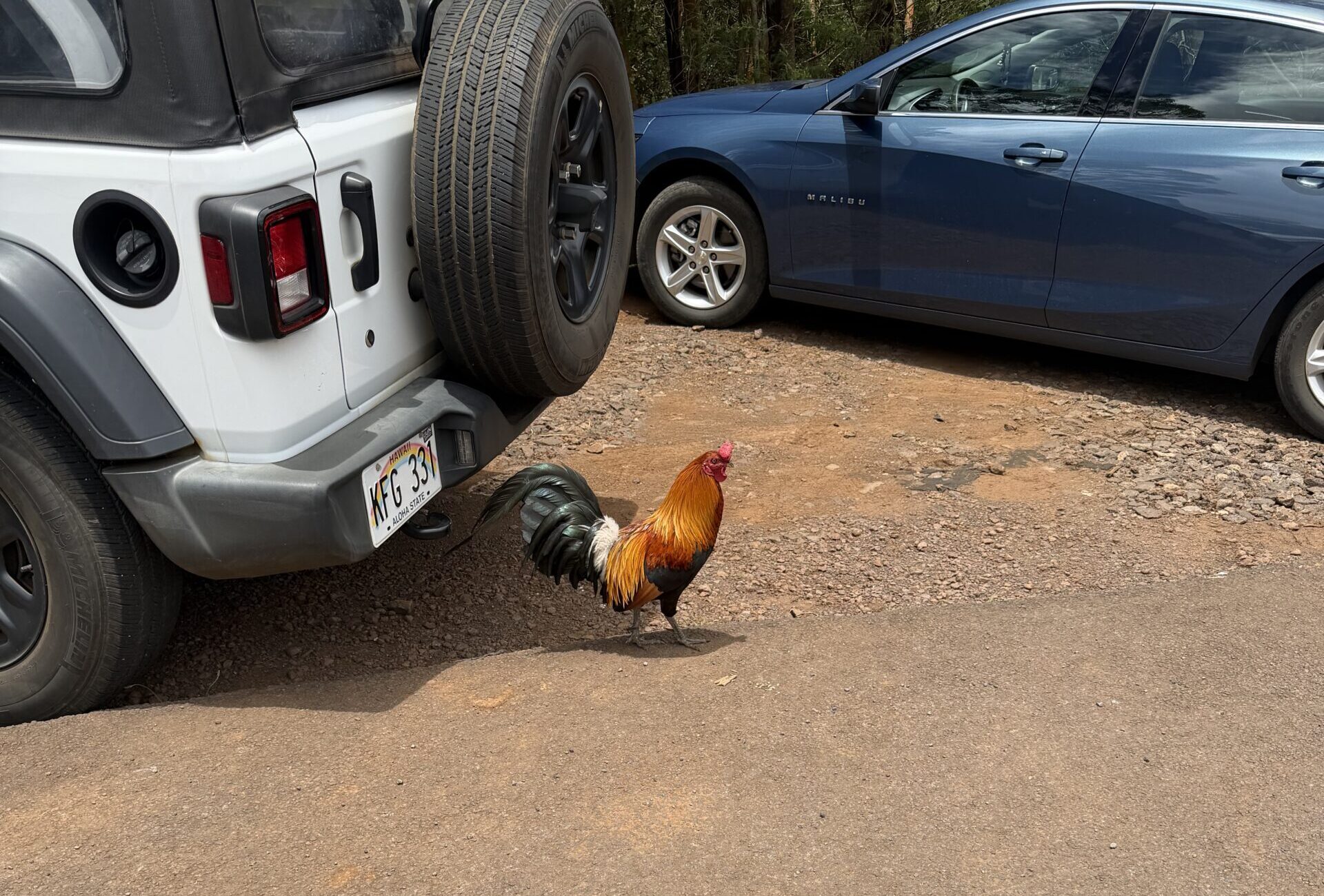
🇺🇸🌺Chickens, Chickens Everywhere 🐔😲
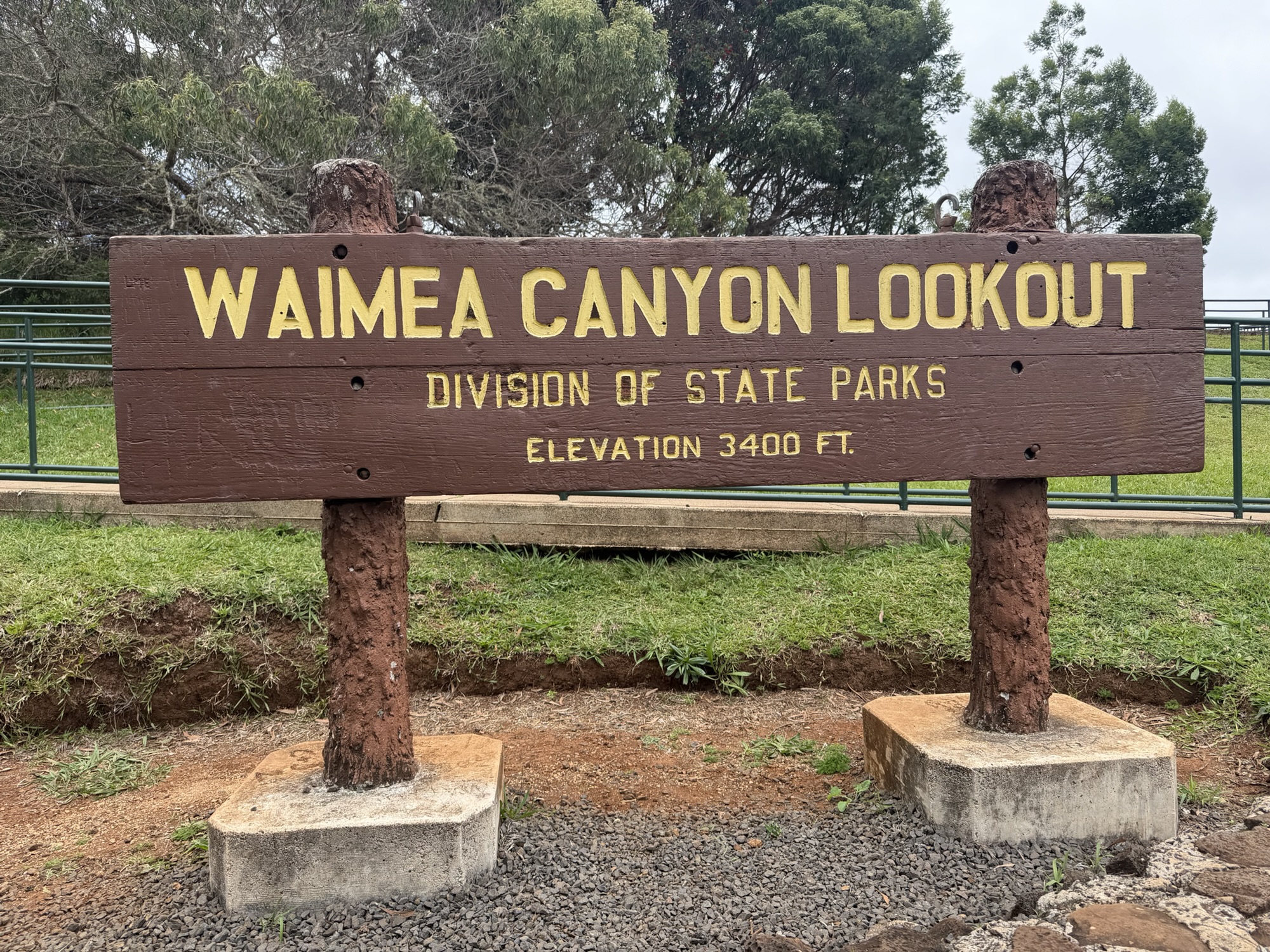
🇺🇸🌺Waimea Canyon: Where Kauaʻi Shows Its True Colors
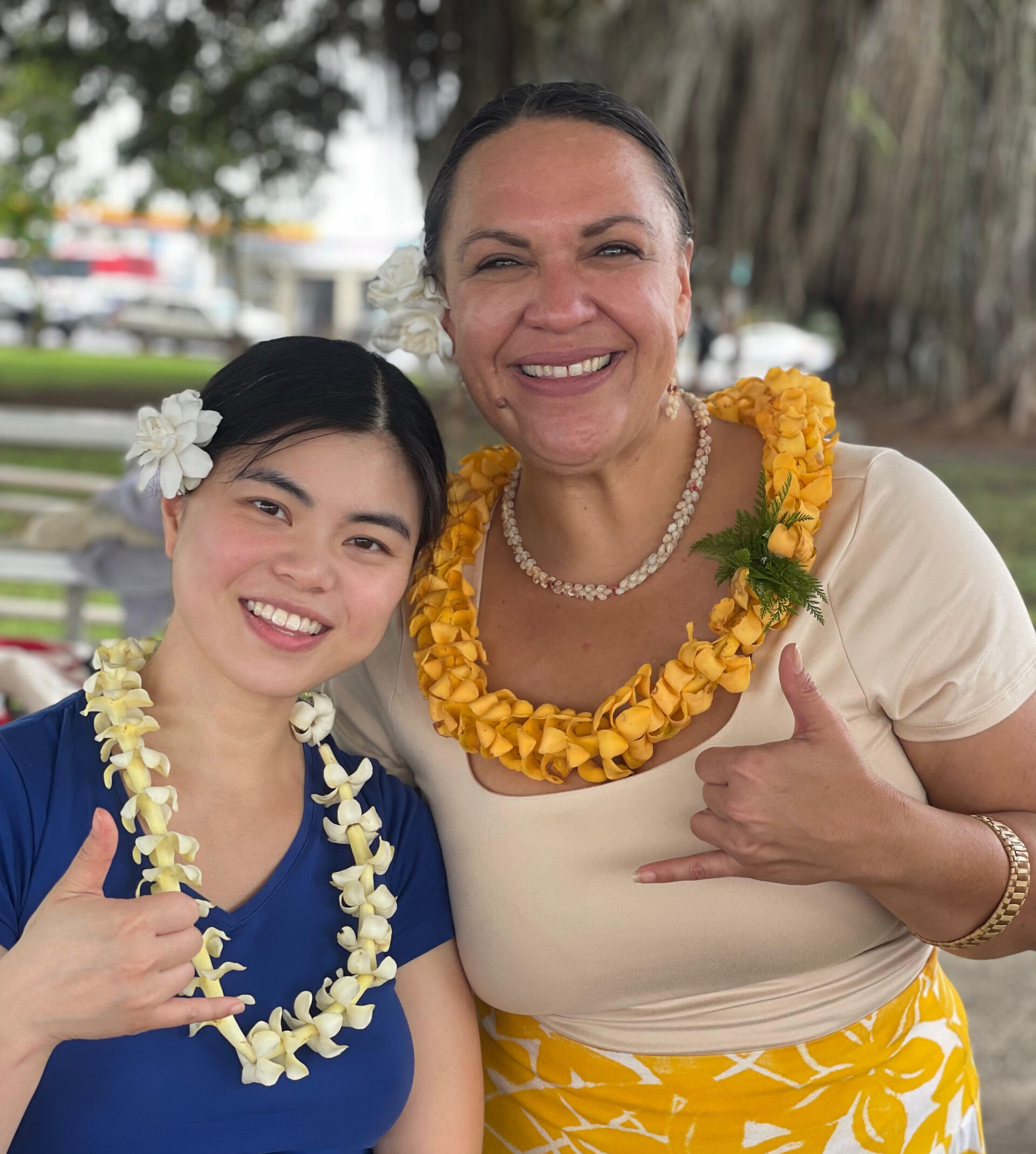
🇺🇸🌺The Hula Lesson and the Quiet Wound Beneath Hawaiʻi’s Beauty