
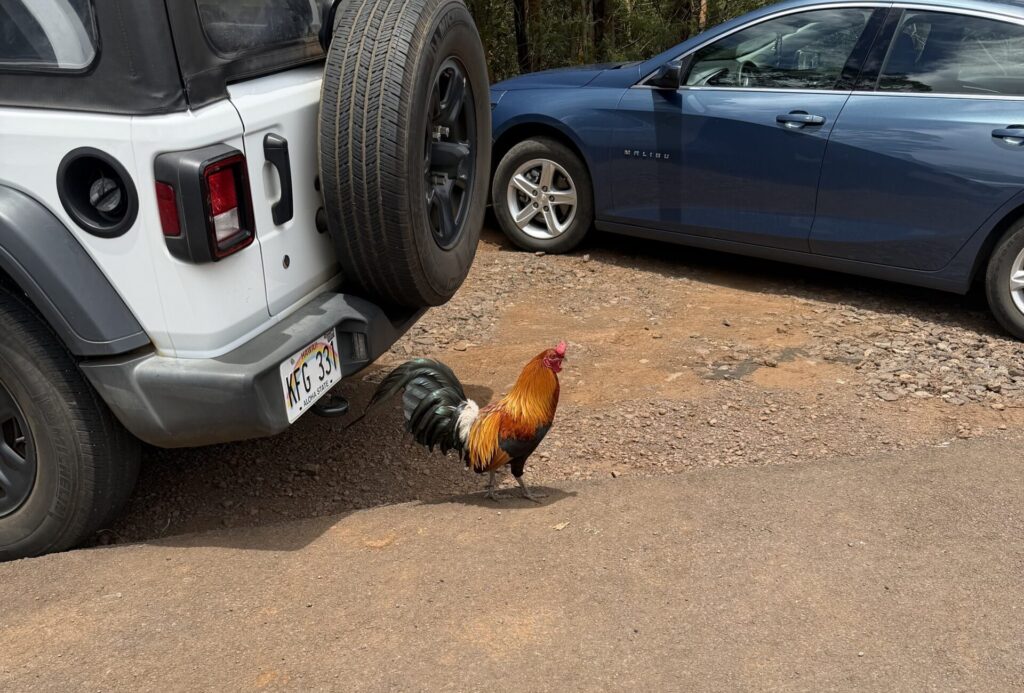
A Hawaiian mystery you can’t miss
If you visit Hawaii expecting palm trees, beaches, and sunsets, you’ll get all of that.
What you might not expect?
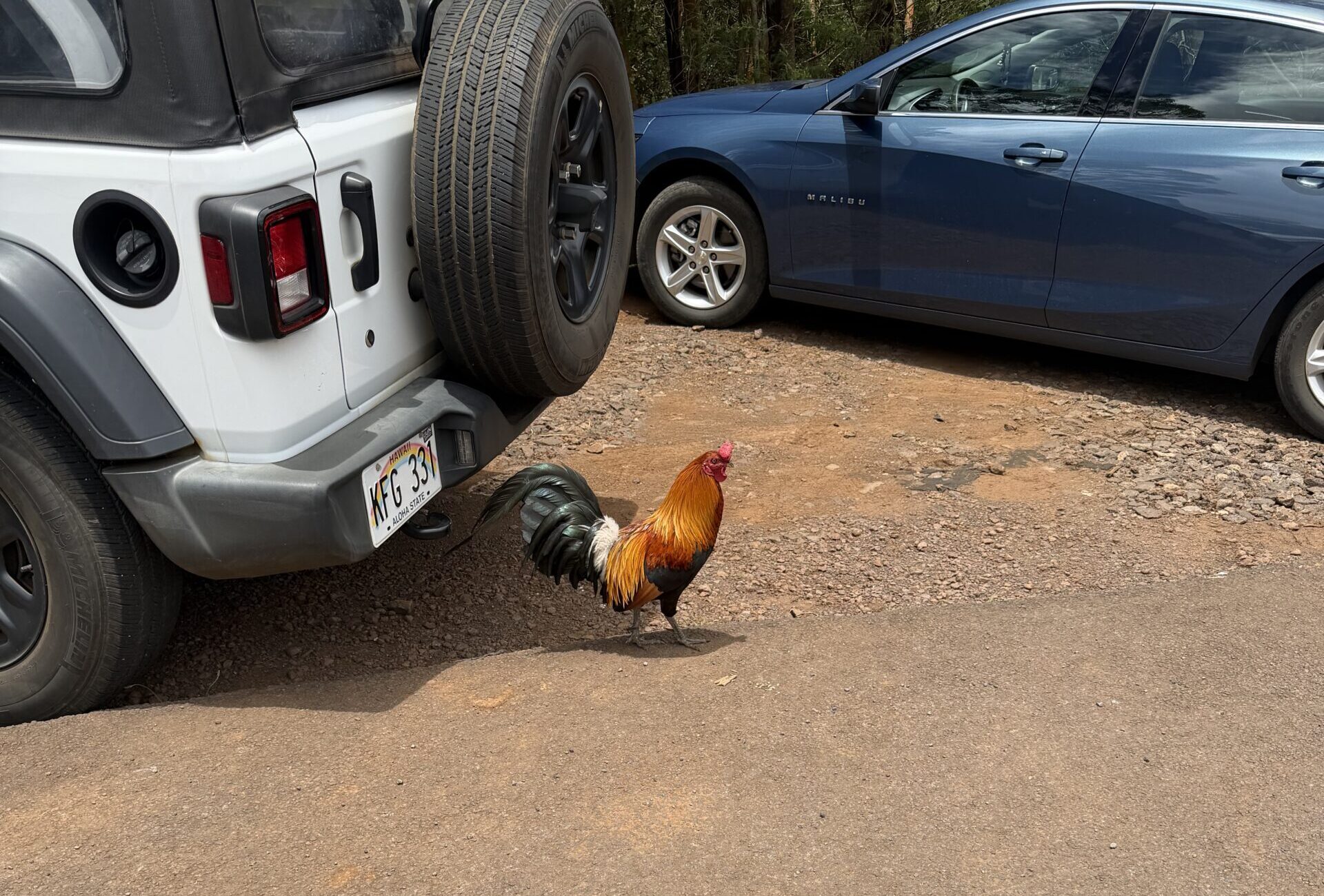
Chickens… and lots of them!
They strut through parking lots. They wander onto beaches. They hang out at grocery stores. They may even wake you up before sunrise.
So… what’s going on?
First Things First: These Aren’t Random Chickens
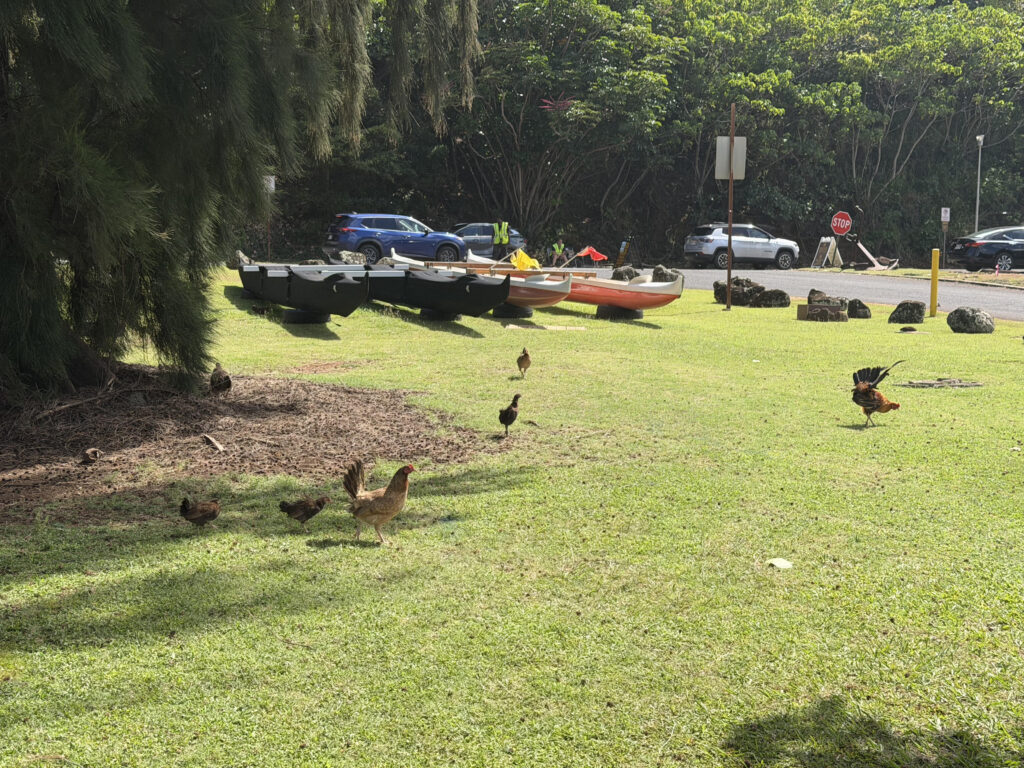
The chickens you see all over Hawaii aren’t someone’s pets that escaped last week. They’re feral chickens — free‑roaming birds that have been living outside human care for generations.
Their presence is especially noticeable on Kauaʻi and Maui, where chickens seem to be absolutely everywhere, but you’ll spot them on other islands too.
Chickens Have Been in Hawaii for a Long Time
Long before resorts, before airplanes, even before Europeans arrived, Polynesian voyagers brought chickens to Hawaii as part of the original “canoe animals” that helped make island life possible.
These early chickens, known as moa, were descendants of red junglefowl from Southeast Asia and lived semi‑wild around Hawaiian settlements. =
So chickens have been part of Hawaii’s story for centuries — just not always this many of them.
Hurricanes Changed Everything
The modern chicken takeover has a very specific cause: hurricanes.
On Kauaʻi, Hurricane Iwa (1982) and Hurricane Iniki (1992) destroyed farms, poultry coops, and backyards, releasing large numbers of domesticated chickens into the wild.
Those escaped chickens bred with the existing junglefowl population… and no one ever rounded them all back up.
The result? A hardy, adaptable hybrid chicken population that learned to live just fine on its own.
Why They Thrive: Hawaii Is Basically Chicken Paradise
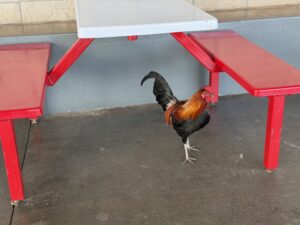
Once the chickens were out, Hawaii turned out to be the perfect place for them to stay.
- No natural mammalian predators like foxes or coyotes
- Warm weather year‑round, so breeding never really stops
- Plenty of food, from insects and plants to human leftovers
- On Kauaʻi specifically, no mongooses — as the plantation farmers didn’t bring them in to control rats as in other island nations.
All of this allows chicken populations to grow quickly and stick around.
Why Locals Mostly Leave Them Alone
Chickens in Hawaii aren’t protected by law, but in many places they’re tolerated. Catching or removing them at scale is difficult, expensive, and unpopular.
To visitors, they often seem charming and funny.
To locals, they’re just… there.
I asked my Uber driver if anyone catches them to eat — he said “The Asians do!”. So technically, you can — but most locals will tell you it’s not worth the trouble. Wild chickens are lean, muscular, and famously tough.
For the most part, they’re left to roam. Loud, fearless, and convinced they own the place.
Sometimes they’re helpful too — chickens eat insects (including centipedes), though they can also be loud, messy.
So why did the chicken cross the road… cuz he owns the place.
Read more of Mimi’s Posts about Hawaii:

🖋️Writer Spotlight: Mimi
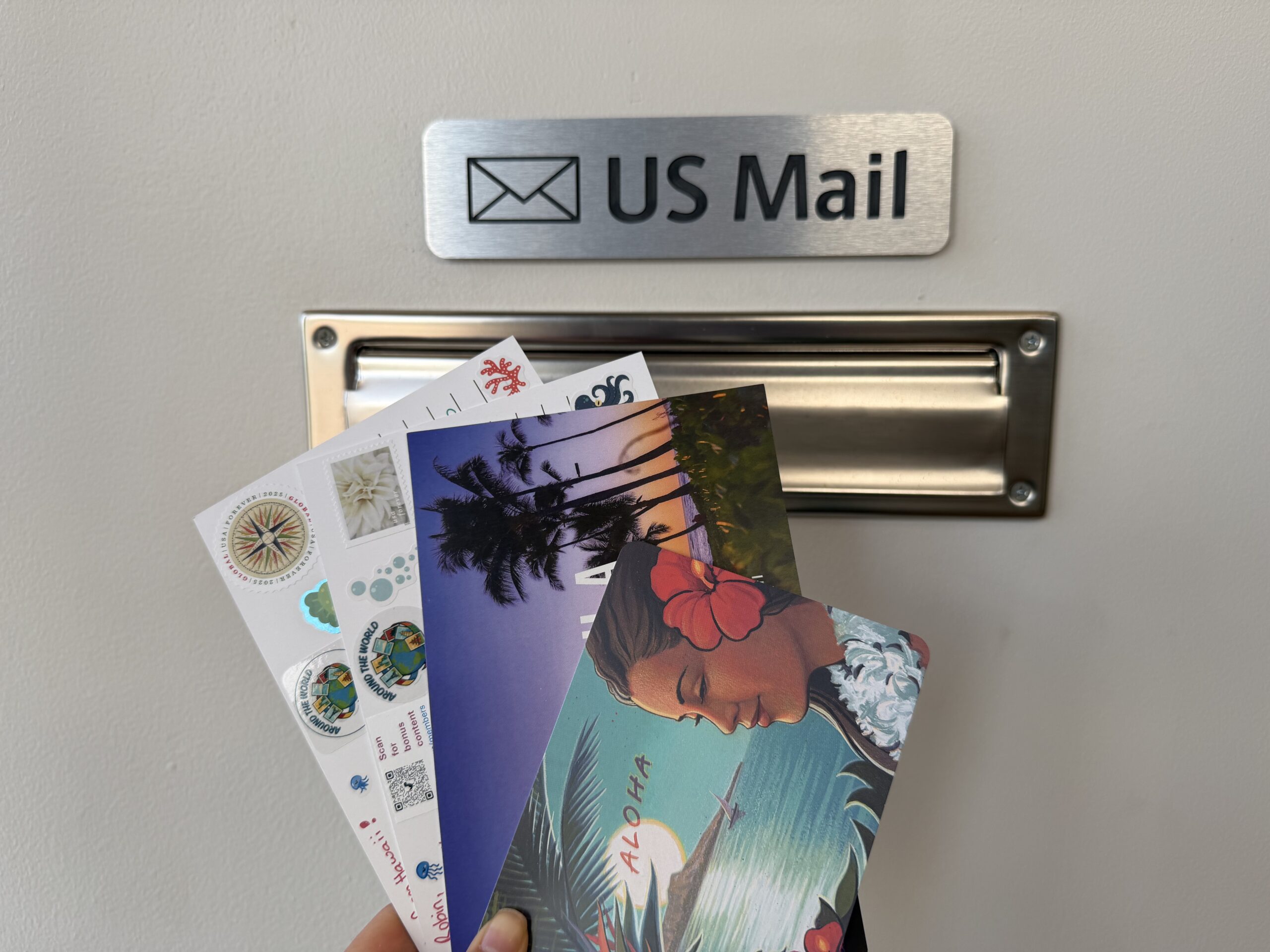
🇺🇸 Hawaii (April 2026 Postcard)
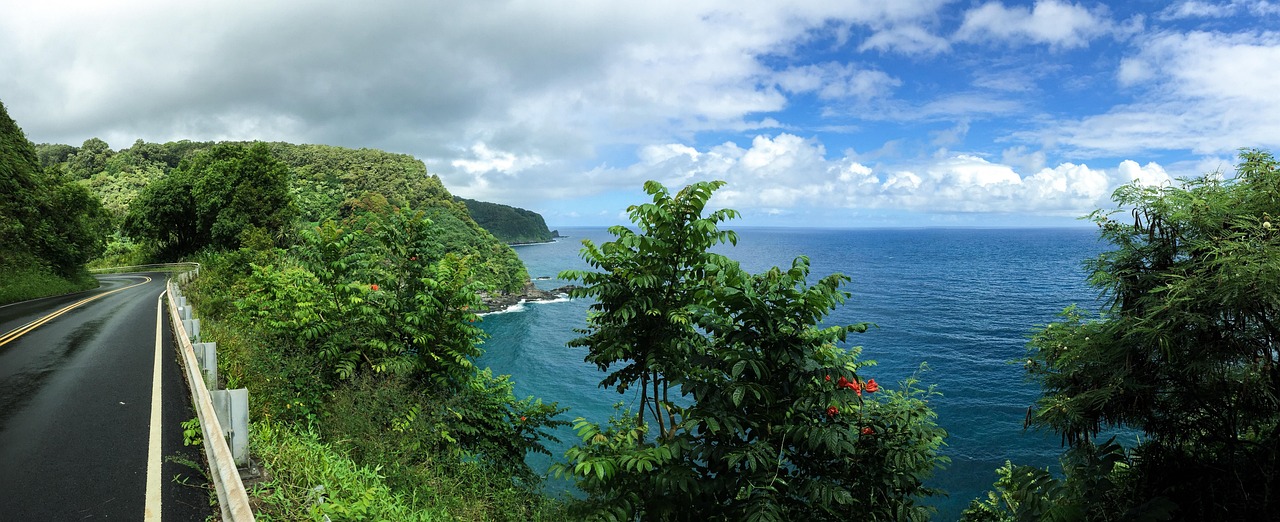
🇺🇸🌺 A day in Maui: Road to Hāna
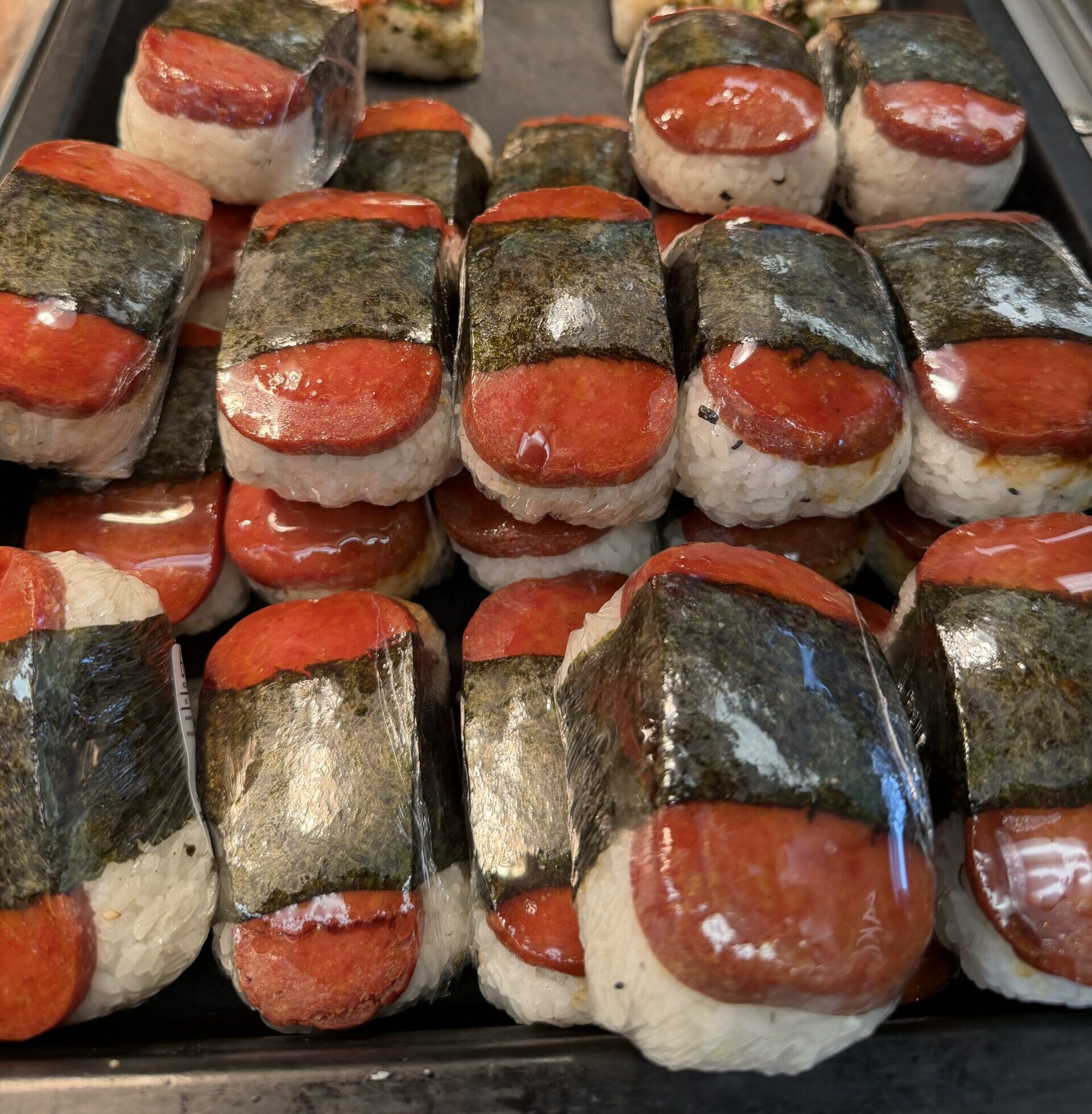
🇺🇸🌺Spam, Rice, Repeat: Why Hawaii Loves Spam!
🇺🇸🌺Chickens, Chickens Everywhere 🐔😲

🇺🇸🌺Waimea Canyon: Where Kauaʻi Shows Its True Colors
🇺🇸🌺The Hula Lesson and the Quiet Wound Beneath Hawaiʻi’s Beauty