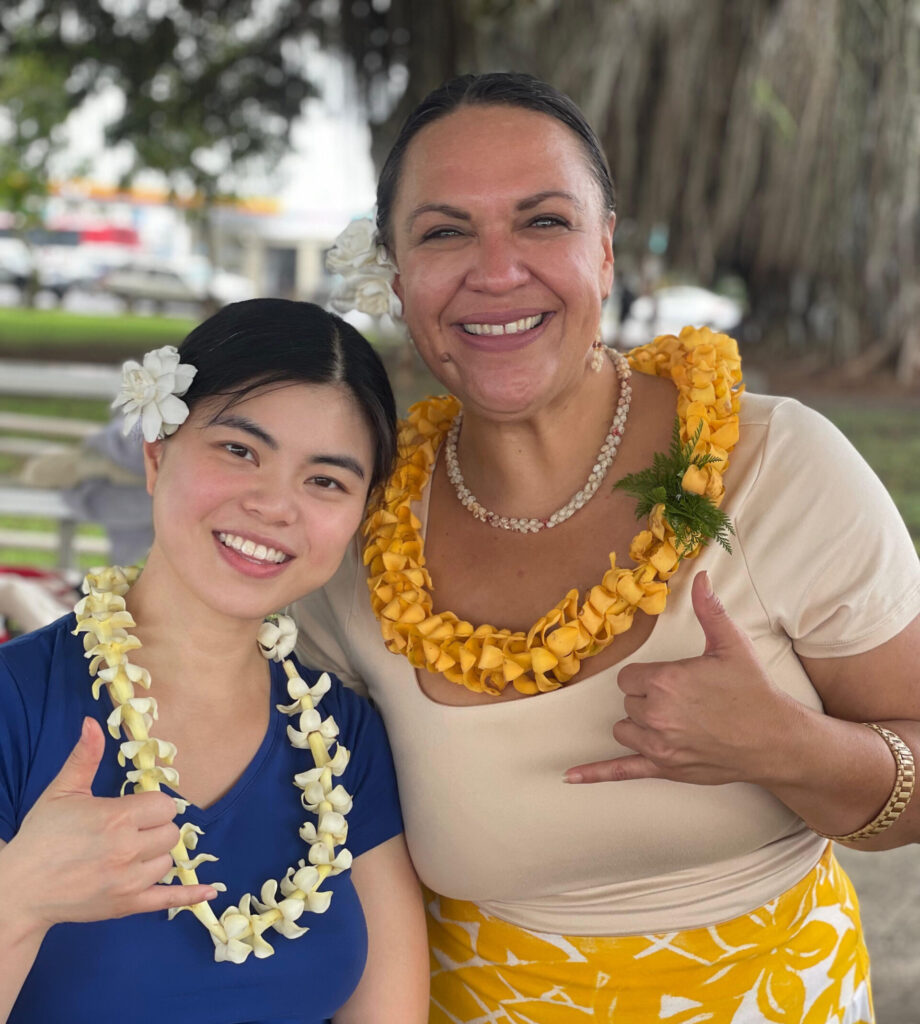
During my free time in Hilo, I saw an advertisement for a free Hula class. Of course I was going to take advantage. So I took the bus out to the Hilo farmer’s market where they sold local handmade goods and produce, and walked to the historic bandstand. When I arrived, I expected a huge group of students. Instead, the space was empty except for myself, Ms Haiiake Kahalewai, her mother and the live band. They greeted me with warmth, and simply said, “Let’s begin.” And just like that, I found myself in a private hula lesson – deeply meaningful.
🌿 What Hula Really Represents
Before this experience, I knew hula was beautiful, but only really knew it from the Hollywood movies. I had absolutely no grasp of its depth. As we began, Haiiake explained that hula is not just dance — it is a cultural record, a way of preserving and transmitting knowledge. Long before written language was common in Hawaiʻi, hula carried stories: histories, genealogies, prayers, and the relationship between people and the natural world.
She showed me how each movement has purpose:
- The hands tracing the horizon to honor the ocean
- The arms lifting to call in the wind
- The sway of the hips echoing the movement of water
- The grounded feet reminding you of your connection to the land
Hula, she said, is a way of saying: This is who we are. This is where we come from. This is what we honor. It is a living tradition, not a performance for tourists but a practice of identity and memory.
Toward the end of our lesson, she taught me one final gesture – a soft outward motion of the hands, paired with a gentle forward movement of the lips and chin. It symbolizes, she said, “This is my story, and I give it to you.”
📱 The Phone, the Country Code, and how I inadvertently touched a Deep Historic Wound
As the lesson went on, I thought, “How cool to make a Hula lesson for the Around the World in 80 Cards blog?” to share with all of our members.
So I asked Haiiake for her phone number. I didn’t realize that asking for her number would completely change the tone of our entire interaction.
We were both looking at my phone as I added her number. The phone prompted me to select a country code, and without thinking, I said aloud, “United States,” as I tapped it.
She gently corrected me. “No,” she said. “We’re occupied territory.”
She didn’t say it sharply. She didn’t say it to provoke. She said as a matter of fact – a little act of protest, but also of education.
I paused, my finger hovering over the screen. I looked up, and she could see the confusion on my face. That’s when she began to explain. A conversation that many tourists never have.
🌈 The History Beneath the Postcard
She began with the origins of the islands. These early communities developed into a thriving civilization with its own language, culture, and political systems. Eventually, she said, the islands unified into the Kingdom of Hawaiʻi in 1810 under King Kamehameha I – a sovereign nation recognized internationally. Hawaiʻi had treaties with major world powers, its own monarchy, and a strong national identity.
Then she explained how then their sovereignty was taken:
- In the 1800s, American missionaries arrived.
- Their descendants later became powerful sugar plantation owners.
- In 1893, a group of these businessmen — supported by the U.S. Minister to Hawaiʻi and backed by U.S. Marines — overthrew Queen Liliʻuokalani.
- U.S. President Grover Cleveland condemned the overthrow as an “act of war.”
- Hawaiians protested peacefully, gathering over 21,000 signatures against annexation (the Kūʻē Petitions).
- Despite this, the U.S. annexed Hawaiʻi in 1898 during the Spanish–American War.
- Hawaiian language was banned in schools in 1896.
- Sacred sites were built-over, and much of Hawaiian history was suppressed.
- In 1959, Hawaiʻi became the 50th U.S. state.
- In 1993, the U.S. issued a formal Apology Resolution, acknowledging the illegal overthrow, but did not restore Hawai’i’s sovereignty.
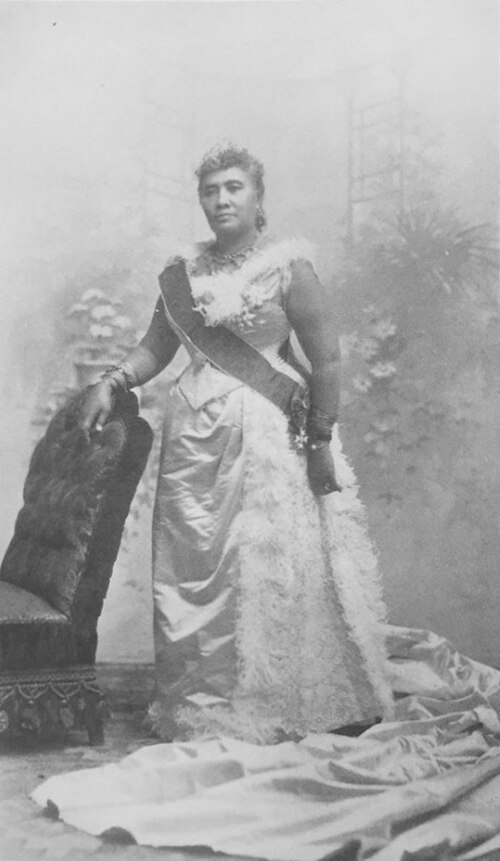
Photo Credit: Unknown
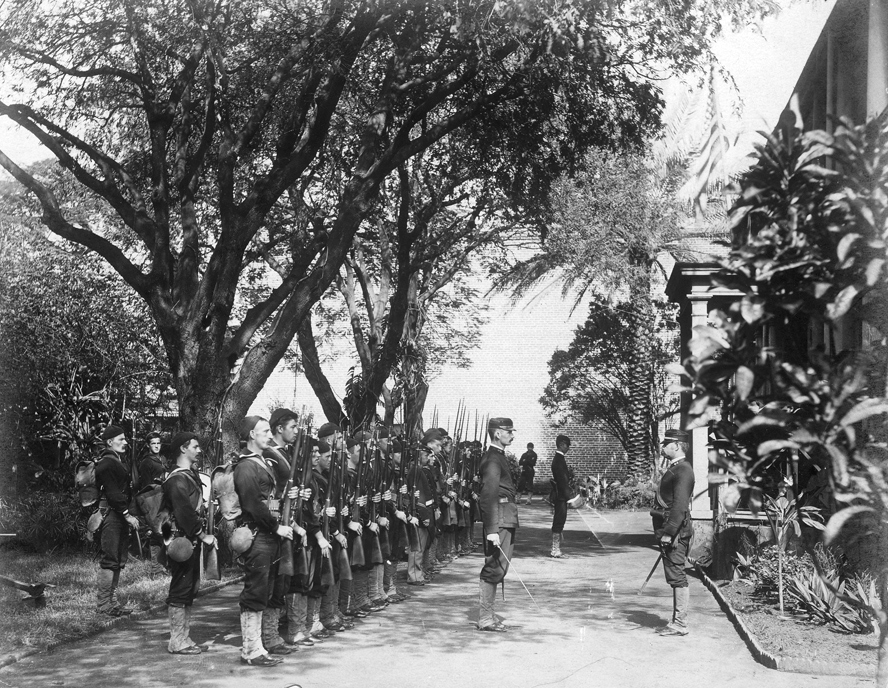
Photo Credit: U.S. Naval Historical Center Photograph.
🌺 The Quiet, Steady Work of Cultural Survival
She told me about how Hawaiians have been quietly, steadily, and powerfully working to keep their culture alive:
- ʻŌlelo Hawaiʻi (Hawaiian language) has been revived through immersion schools (ʻAha Pūnana Leo), university programs, and community classes.
- Hula schools (hālau) teach traditional forms of dance, chant, and protocol – not the tourist versions, but the ancestral ones.
- Cultural practitioners protect sacred sites and educate visitors about their significance.
- Land and water rights movements continue across the islands.
- Peaceful protests, such as the 2019–2020 movement to protect Mauna Kea, show that Hawaiians still stand up for their land and identity.
- Community‑led cultural festivals like Merrie Monarch celebrate and preserve traditional hula.
- Historical education efforts are growing, including museums, cultural centers, and grassroots teaching.
These efforts aren’t loud. They aren’t flashy. They don’t always make the news. But they are constant. They are determined. And they are rooted in love — for the land, for the ancestors, for the generations still to come.
🌈 What I Carried With Me
I came for a hula lesson. I left with a deeper understanding of Hawaiʻi – not just its beauty, but its complexity, its history, and the resilience of its people.
The Hawaiʻi many of us imagine is the Hollywood paradise with coconut bras, plastic grass skirts, and resort luaus, but that’s simply not the Hawaiʻi that Native Hawaiians live. That version was created for tourism. It’s cheerful, colorful, and easy to digest. But it hides a history that is challenging, painful, and still very present.
I left with a reminder that learning about a place means learning about its stories, its language, its traditions, and its past — even the parts that are uncomfortable or unfamiliar. Especially those parts.
And I left grateful. Grateful for the generosity of the lesson, the honesty of the conversation, and the chance to see Hawaiʻi not just as a destination, but as a living culture with a history that deserves to be known.
Read more of Mimi’s Posts about Hawaii:
🖋️Writer Spotlight: Mimi
🇺🇸 Hawaii (April 2026 Postcard)
🇺🇸🌺 A day in Maui: Road to Hāna
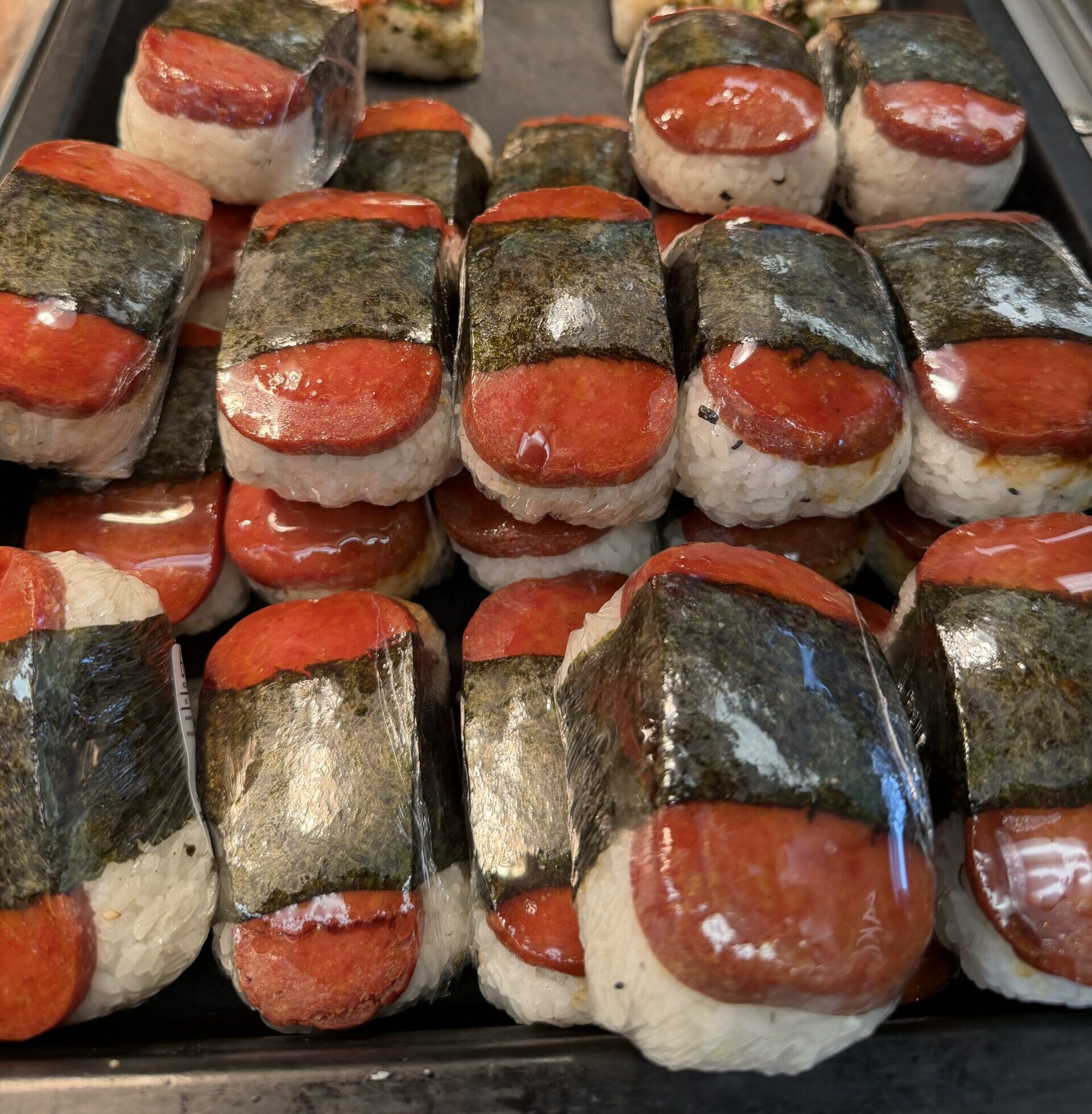
🇺🇸🌺Spam, Rice, Repeat: Why Hawaii Loves Spam!
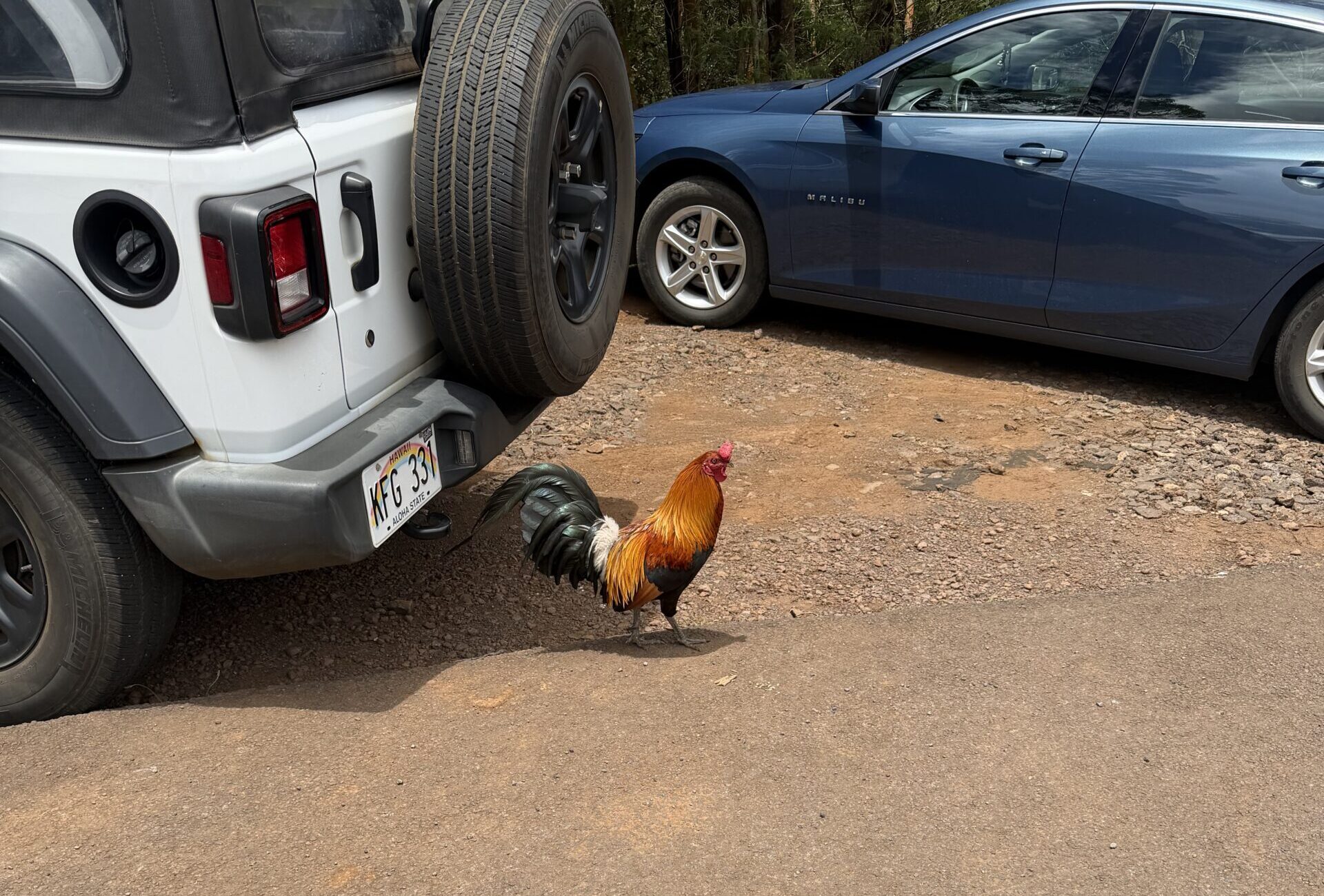
🇺🇸🌺Chickens, Chickens Everywhere 🐔😲
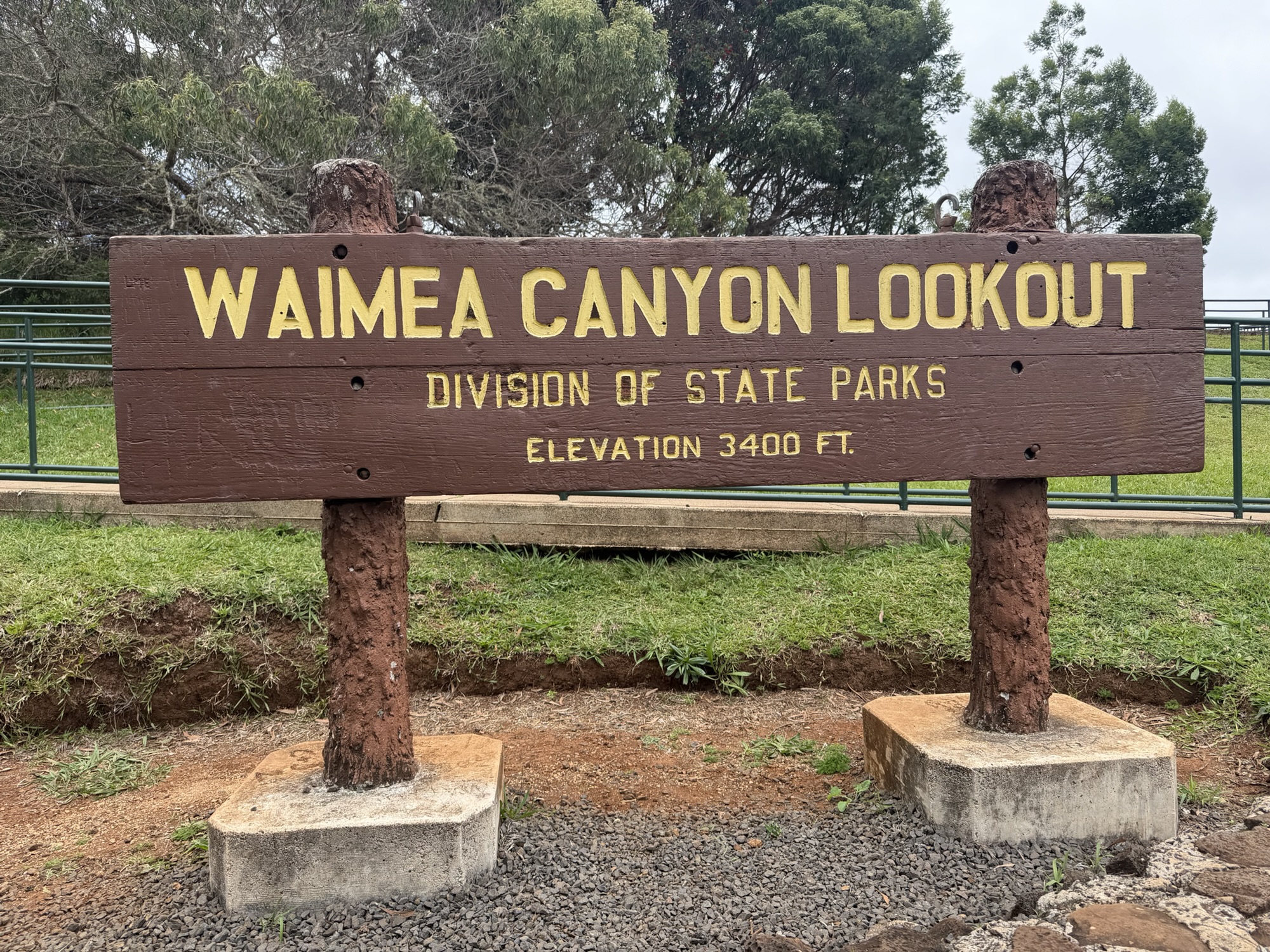
🇺🇸🌺Waimea Canyon: Where Kauaʻi Shows Its True Colors
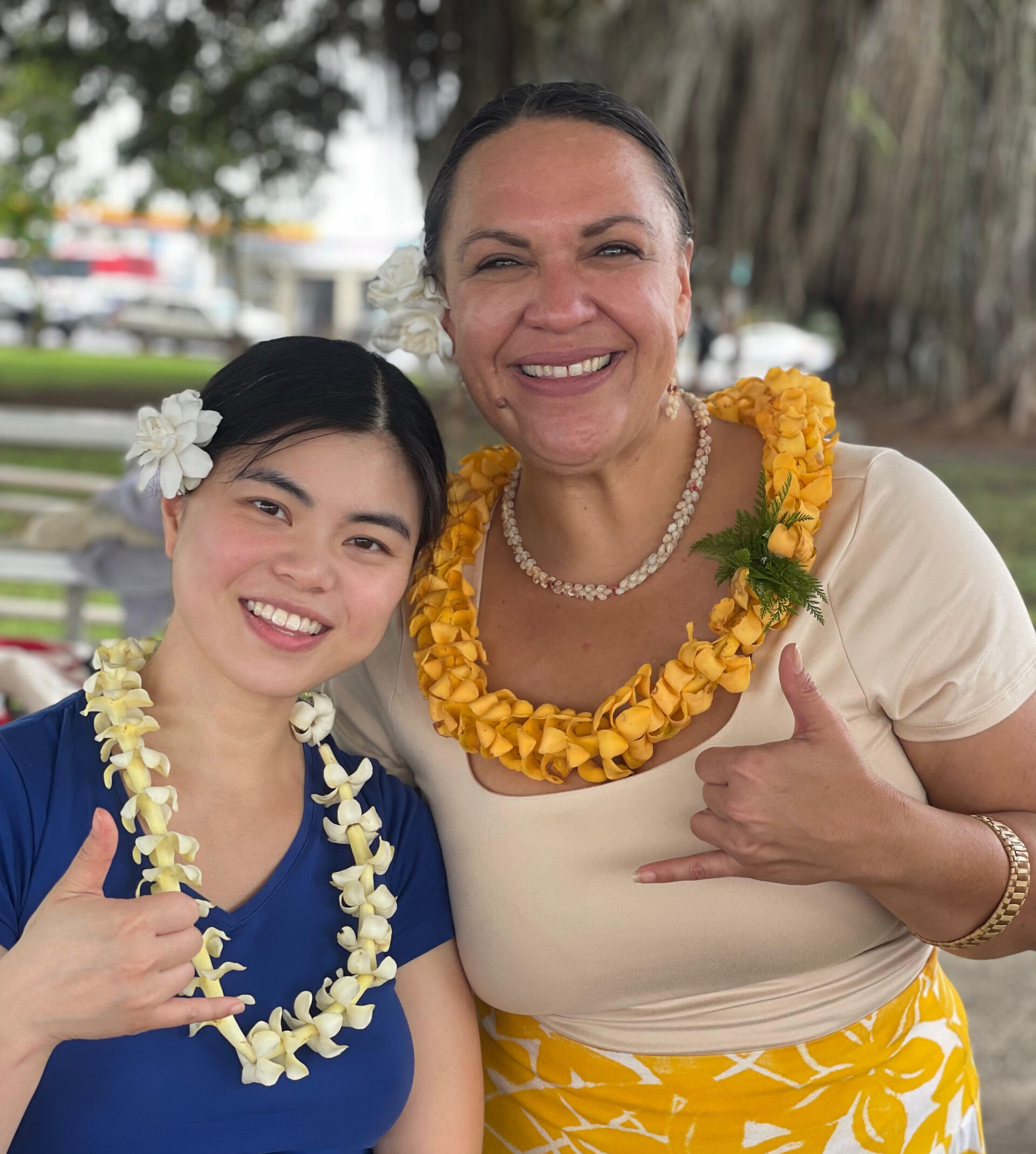
🇺🇸🌺The Hula Lesson and the Quiet Wound Beneath Hawaiʻi’s Beauty