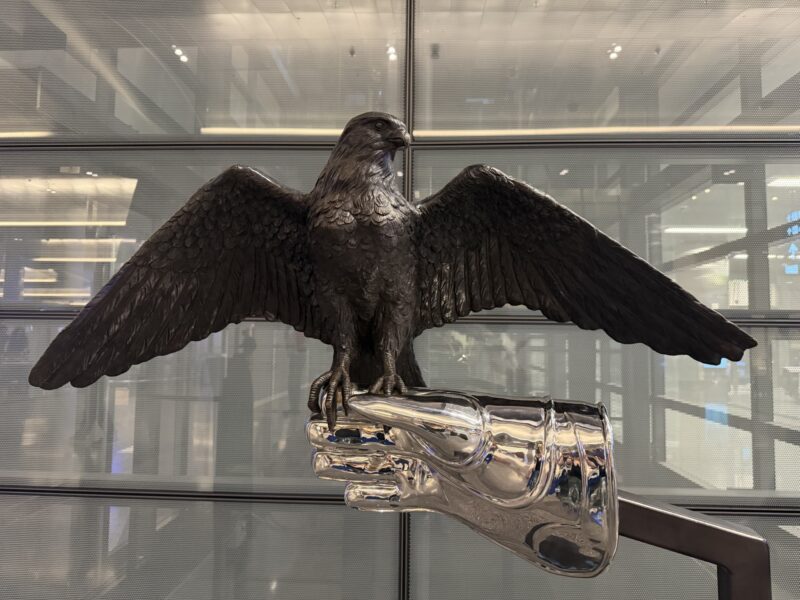
Hello everyone! Today’s topic is something that completely blew my mind when I first heard about it: Falcons and their VIP treatment in Doha! 👑🦅
In Qatari culture, falconry (Al-Gannas) goes back thousands of years. Long before Qatar became the modern, futuristic country it is today, the Bedouin tribes lived harsh, nomadic lives in the vast Arabian desert. Fresh meat was incredibly scarce, and hunting in the harsh heat was tough.
That is where falcons came in:
- Survival Partners: Bedouins would trap wild falcons (mostly Saker and Peregrine falcons) migrating through the Arabian Peninsula in autumn. They trained them with immense patience to hunt prey like hares and desert bustards (Houbara).
- Part of the Family: The birds lived inside the family tents (khaima) so they would get used to human voices and scents. They weren’t treated as wild animals or working tools, but as respected family members!
- Spring Release: Traditionally, after the winter hunting season ended, Bedouins would release their falcons back into the wild so the birds could breed. This built a deep bond of respect between humans and nature.
In 2010, UNESCO officially recognized falconry as an Intangible Cultural Heritage of Humanity. Today, Qataris don’t need falcons for survival, but keeping this tradition alive connects younger generations to their ancestors’ desert roots.
Here, falconry is not just a sport or a hobby; it is deeply-rooted in the heritage and a symbol of honor, pride, and nobility. The way falcons are pampered here is truly next-level! Let me tell you how these majestic birds live like absolute royalty.
The Falcon Souq in Souq Waqif 🛍️🏛️
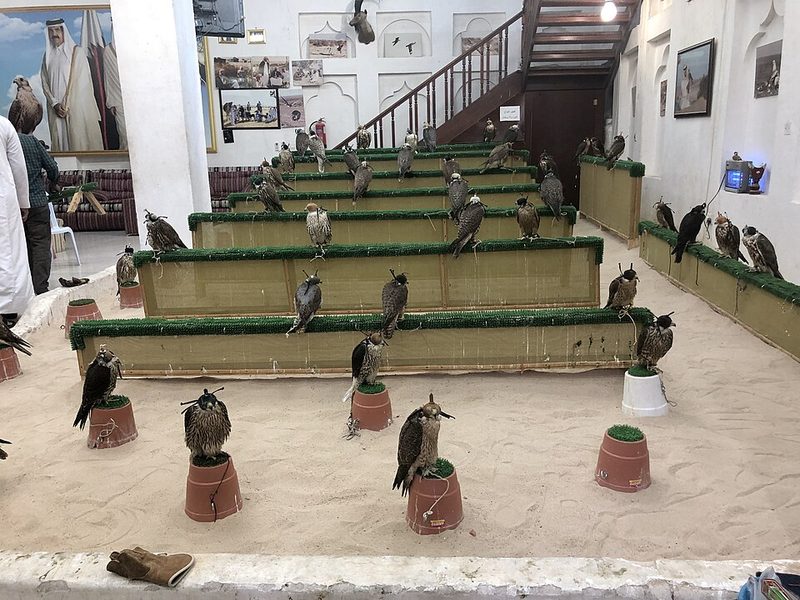
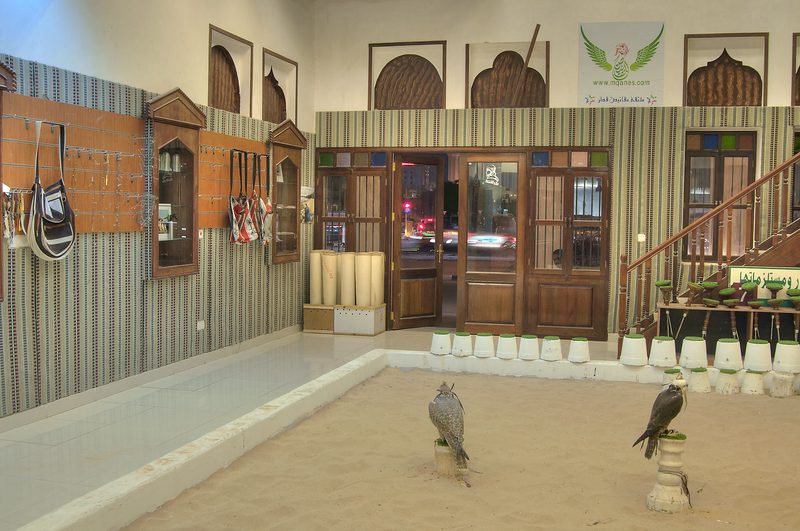
Remember how in my first post I took you all to Souq Waqif? Inside this historic market lies the famous Falcon Souq!
These are no ordinary pet shops – the showrooms are completely pristine, lined with wooden perches covered in soft sand where dozens of falcons sit quietly.
- Eye-Watering Prices: These birds are priceless status symbols. Depending on the species, age, and hunting capability, a single falcon can cost anywhere from $10,000 to over $100,000 USD!
- Accessories Galore: Around the market, shops sell intricate, hand-crafted leather hoods, GPS tracking devices, specialized gloves, and traditional perches.
Souq Waqif Falcon Hospital 🏥🩺
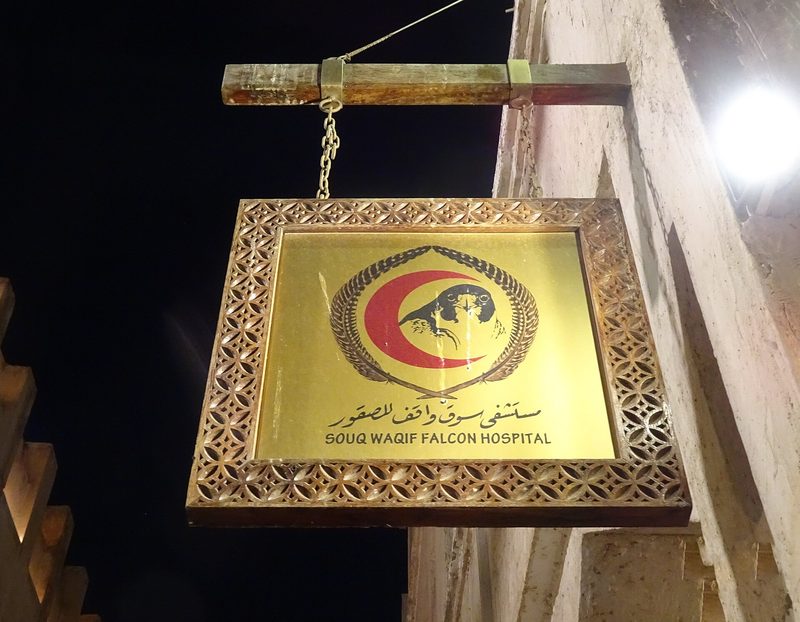
Right next to the Falcon Souq sits the famous Souq Waqif Falcon Hospital, and trust me, it’s nicer than any human hospital I’ve ever been to!
This state-of-the-art medical facility treats hundreds of falcons every single day, especially during the hunting and molting seasons:
- Avian specialists: The hospital employs elite bird veterinarians and specialists from all over the globe, providing round-the-clock specialized care for these precious falcons.
- Advanced Diagnostics: They have dedicated digital X-ray rooms, endoscopy units, clinical laboratories, and specialized surgical suites.
- Pedi-Cure & Feather Repair: Falcons even get cosmetic and maintenance procedures! Doctors carefully trim and file their talons and perform “feather imping” (repairing damaged flight feathers using tiny splints so the birds can fly perfectly again).
Falcons Have Their Own Passports! 🪪🛂
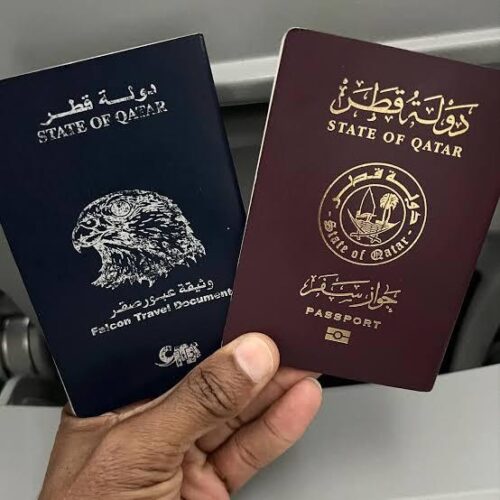
Yes, you read that right! In Qatar, falcons have official passports.
Because wild falcons are protected, these official passports prevent illegal trafficking and ensure every bird is legally registered. The passport includes details like the falcon’s microchip number, ring number, breed, and country of origin. It is valid for three years, and a falcon cannot travel out of the country without its proper travel documentation!
Flying First Class 🛫
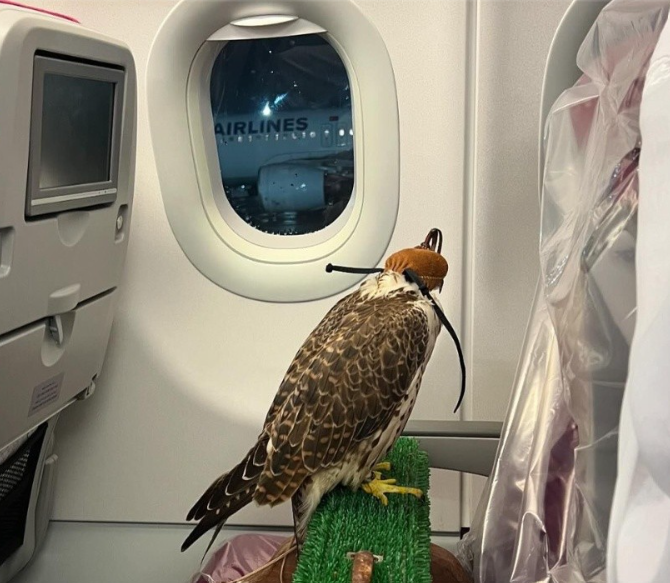
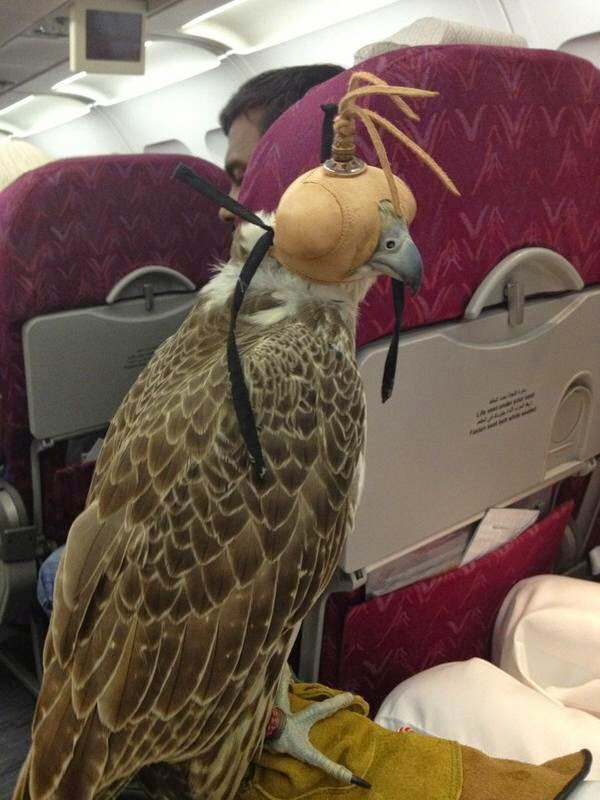
If you ever board a Qatar Airways flight and see a falcon sitting next to you, don’t be surprised!
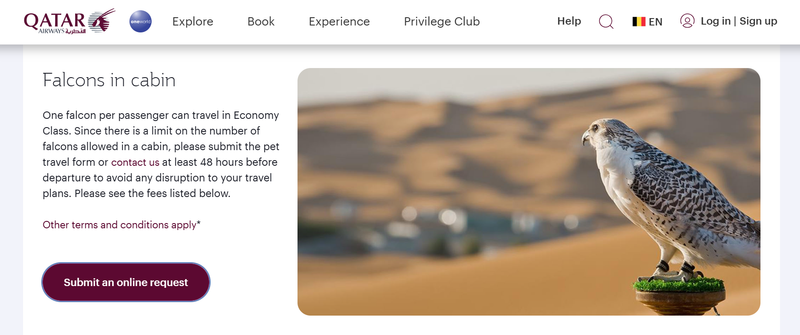
Falcons are not stowed away in standard animal cargo like regular pets. Qatar Airways explicitly allows falcons in the main passenger cabin!
Each falcon gets its own assigned seat or perch, equipped with a leather hood (Burqa) over its eyes to keep it calm and relaxed during the flight.
The owners of these precious birds will often get their birds seats in First Class. I’ve never flown First class, but I always imagine walking down the aisle to my lay-flat seat and casually nodding hello to a majestic bird sitting in 2B! Only in the Gulf, no? 😄
Living in Doha constantly surprises me. This falcon culture is a fascinating blend of ancient Bedouin tradition and modern luxury.