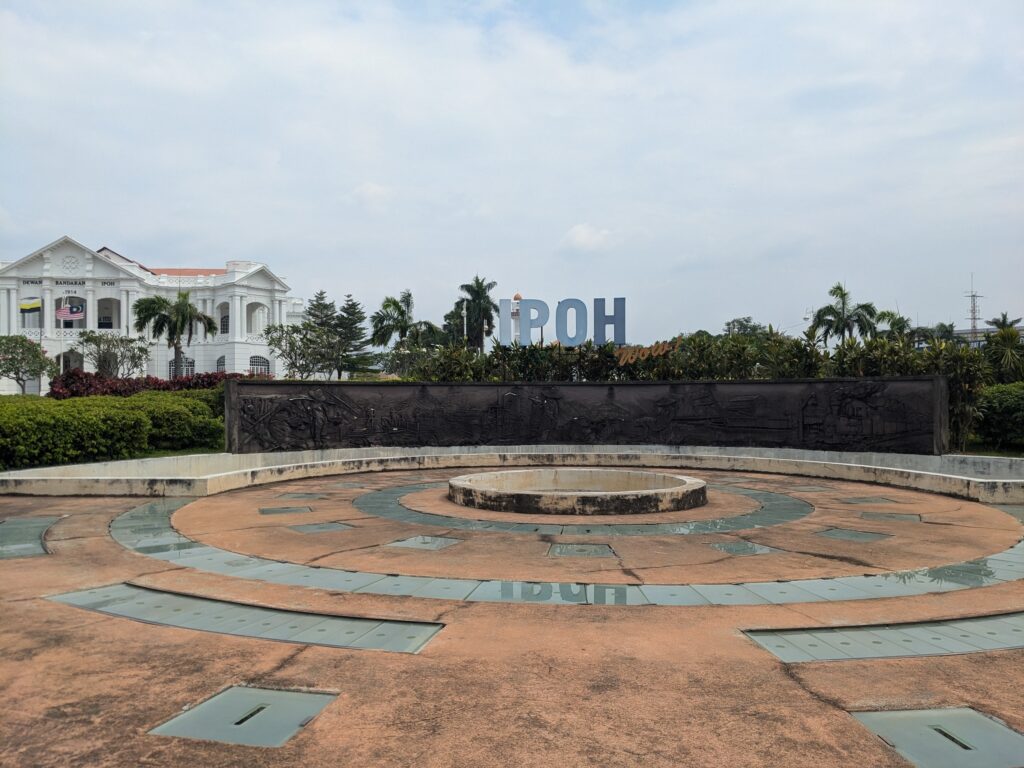
Before I arrived in Ipoh, I didn’t realize the city is wrapped in limestone. These dramatic karst hills rise suddenly from the ground, steep and craggy, full of natural caves that have been forming for millions of years. It’s no surprise that people looked at these openings in the rock and felt something sacred about them. Over time, Buddhist communities carved shrines, halls, and entire temples into the cliffs, turning the hills into places of worship.
Most of Ipoh’s cave temples are Chinese Buddhist temples, often shaped by Mahāyāna traditions. Some are quiet and contemplative, built deep inside the limestone caverns. Others spill outward with colorful statues and gardens. Each one feels different, shaped as much by the mountain as by the people who built it.
Visiting them isn’t just about seeing temples — it’s about stepping into the landscape itself. The rock, the cool air, the echo of footsteps inside the caves… it all becomes part of the experience.
Here are the five temples you shouldn’t miss.
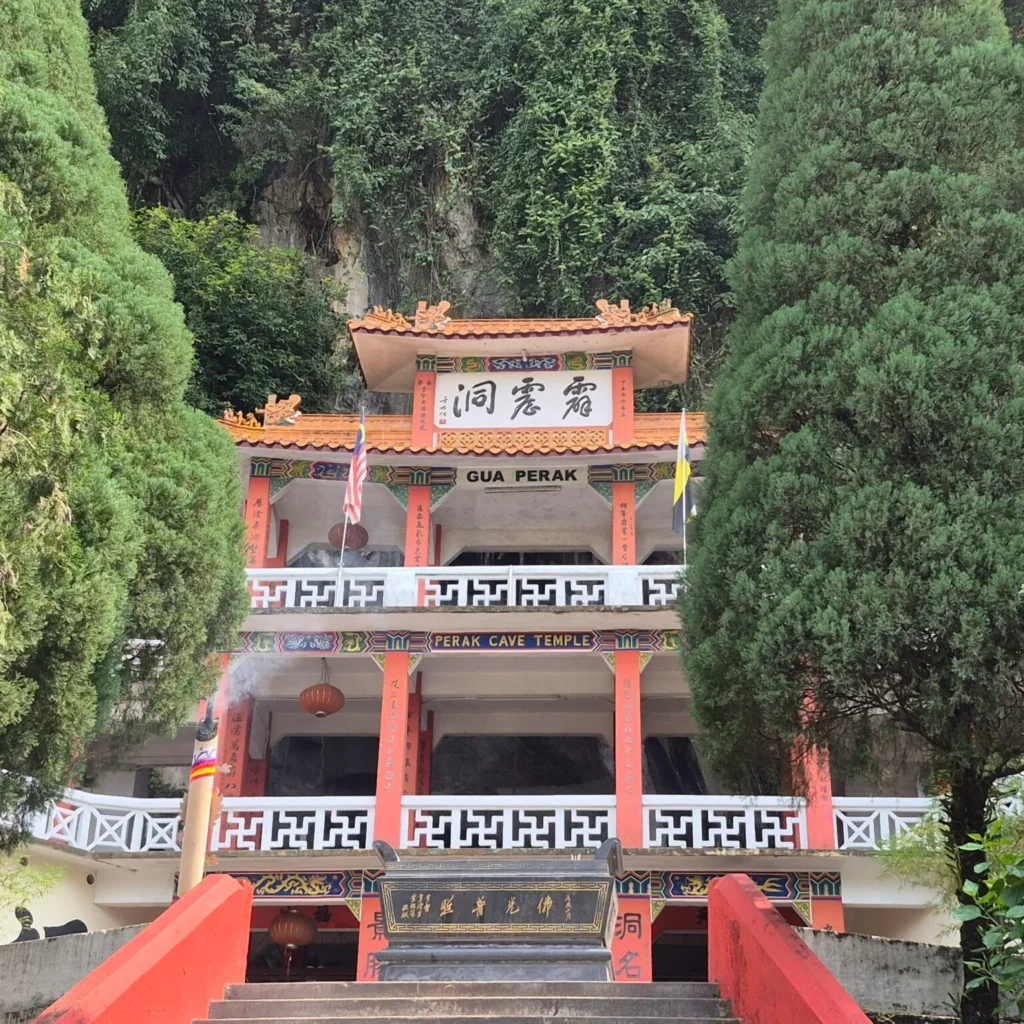
Perak Cave Temple — The One That Makes You Look Up
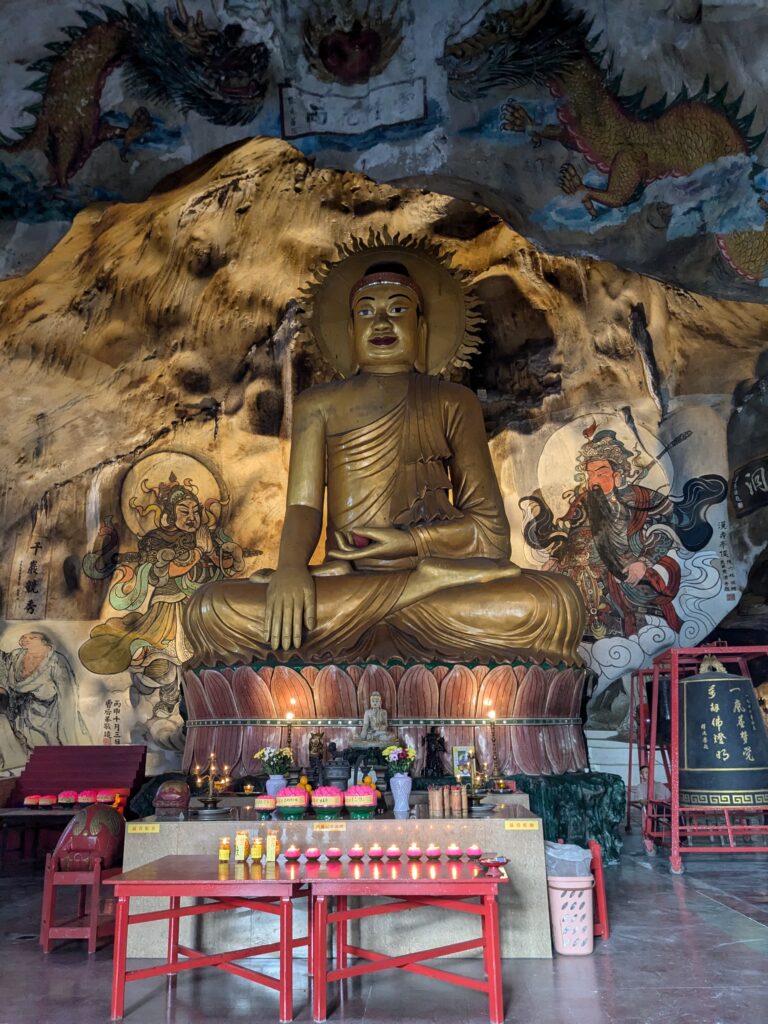
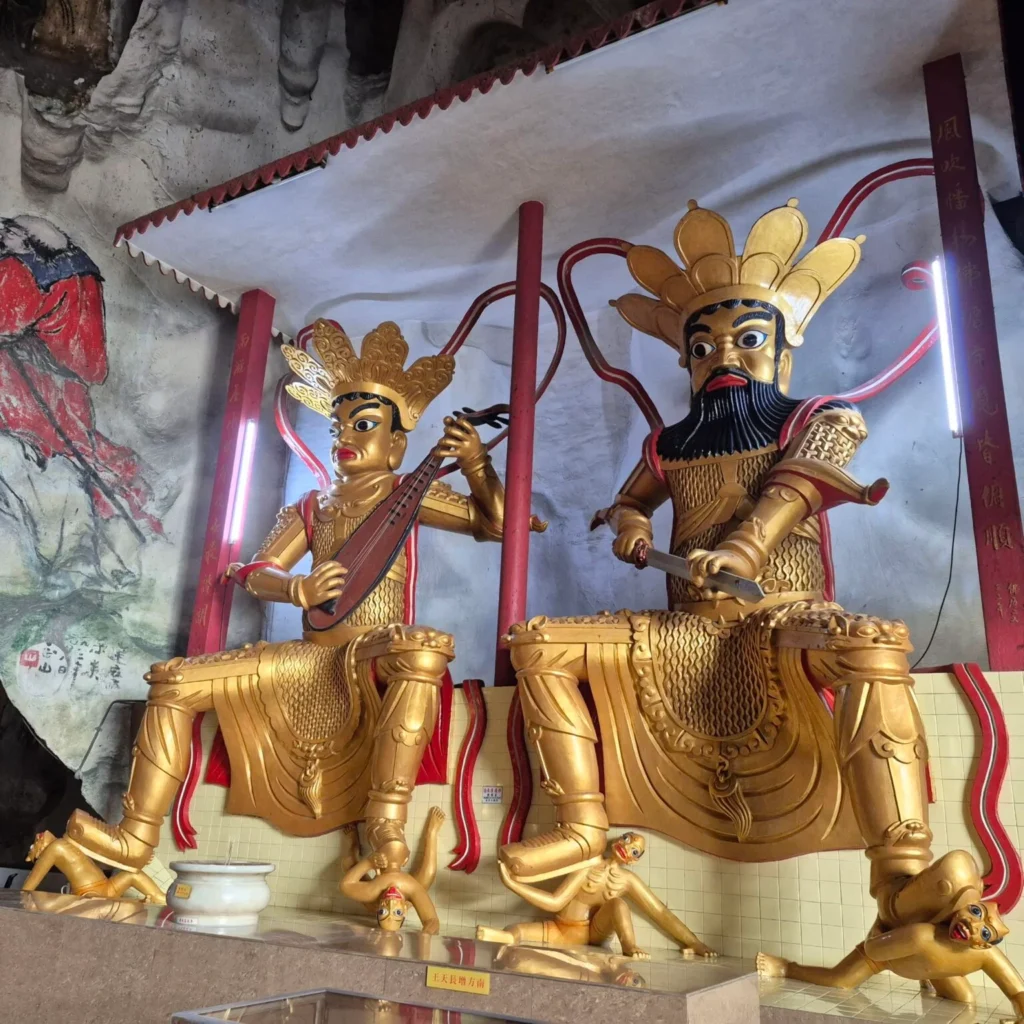
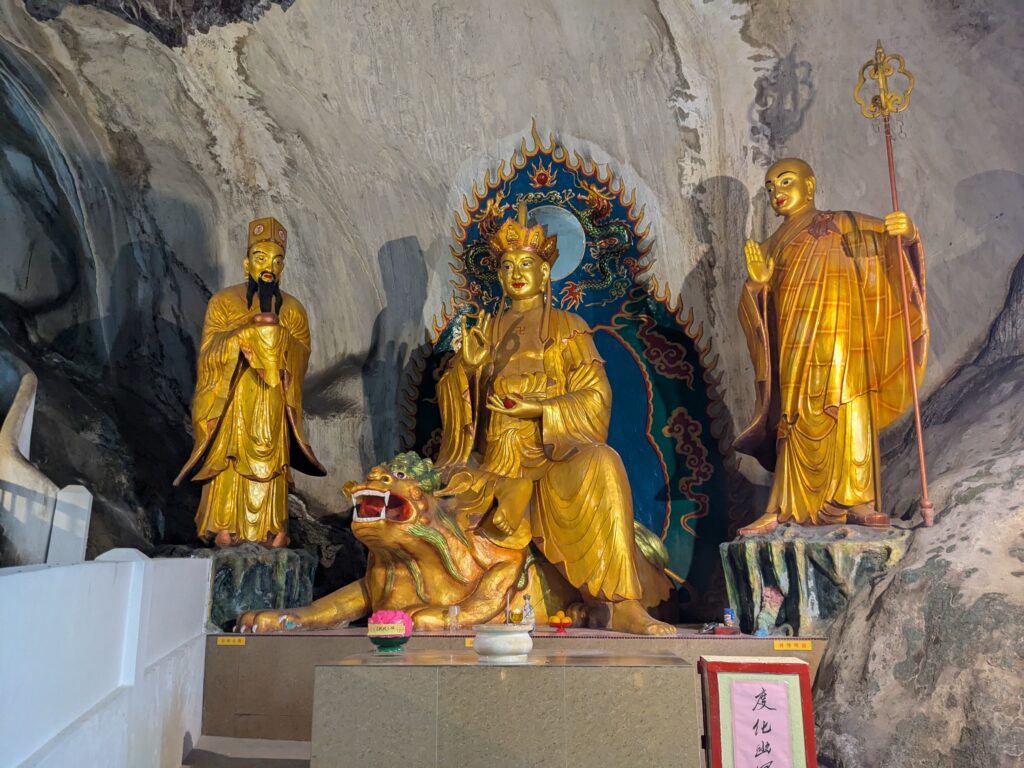
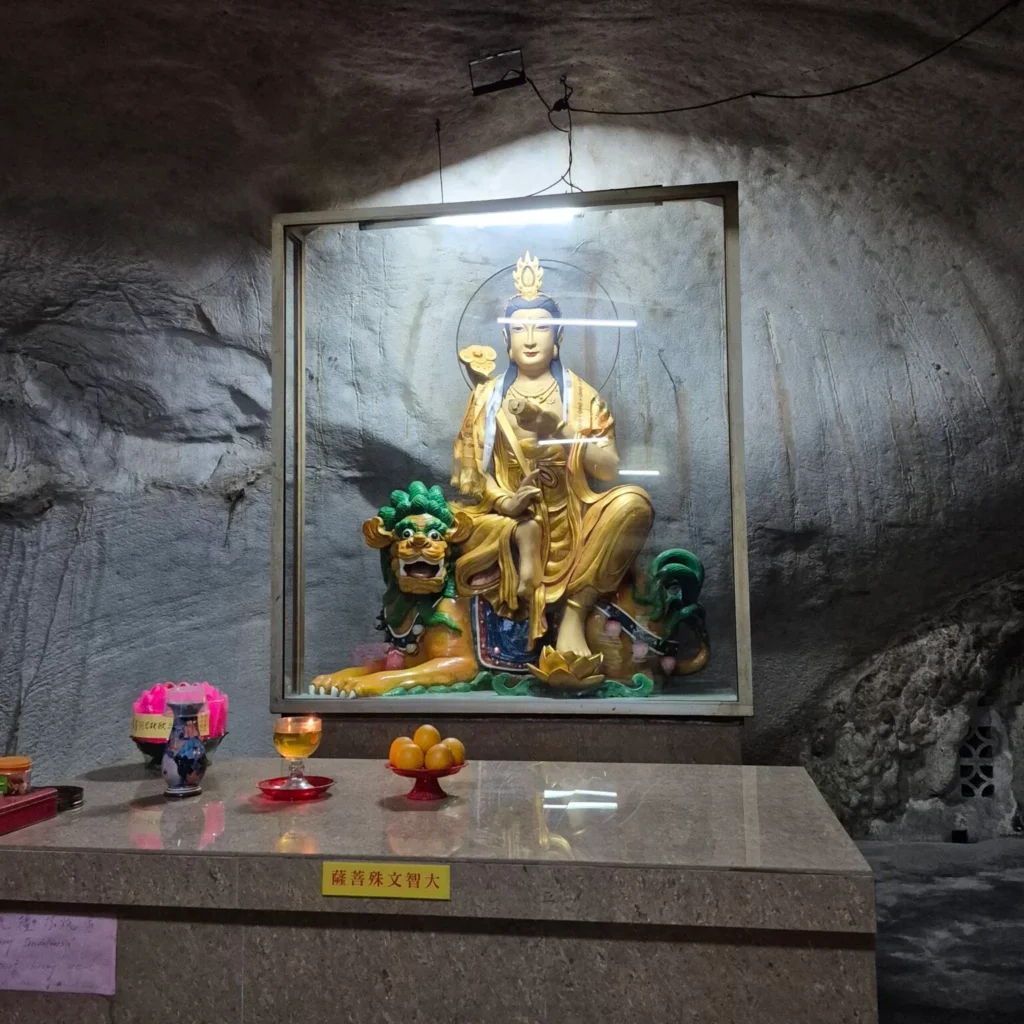
Perak Cave Temple feels like stepping into a cathedral carved by nature. The moment I walked in, the air changed — cooler, still, echoing in a way that makes every footstep sound thoughtful. You walk into this enormous limestone cavern and immediately your eyes go upward — because towering over you is a 40‑foot golden Buddha, sitting calmly and glowing in the dim light
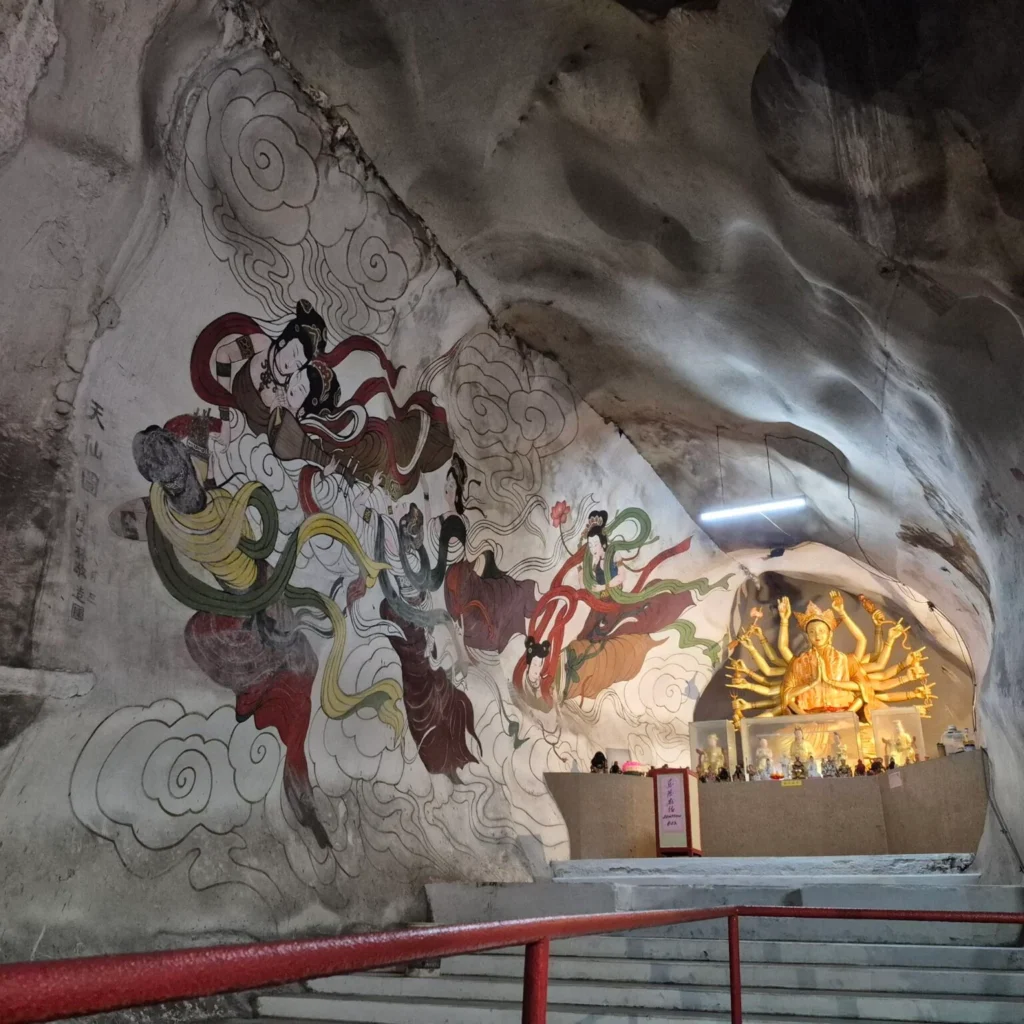
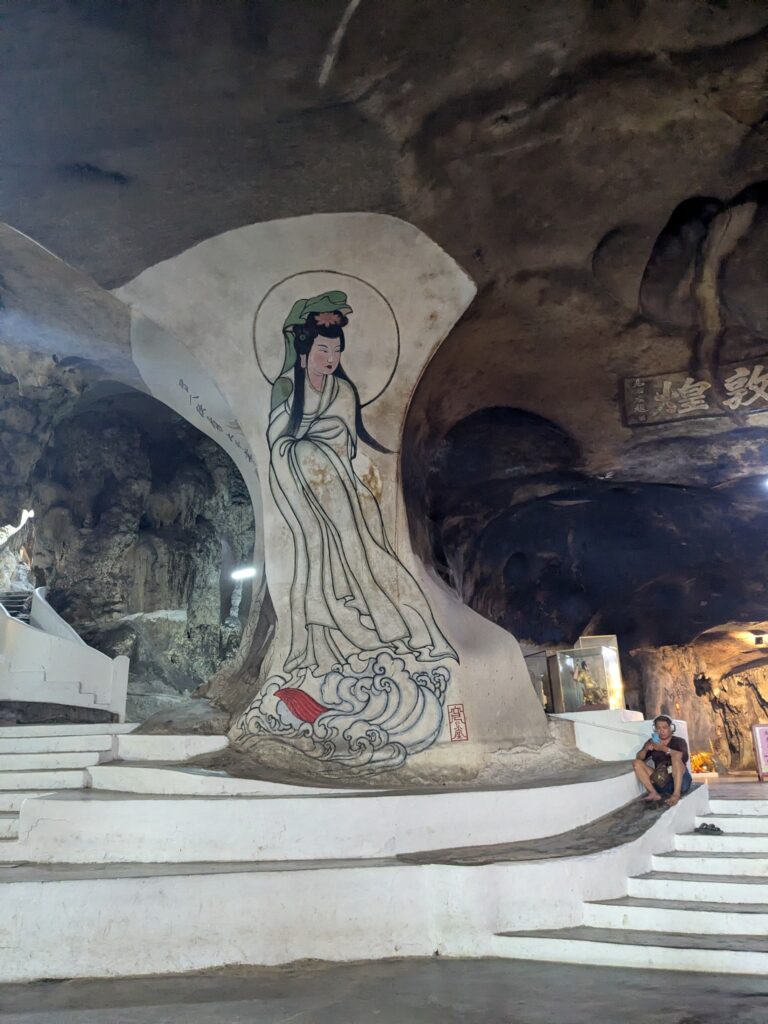
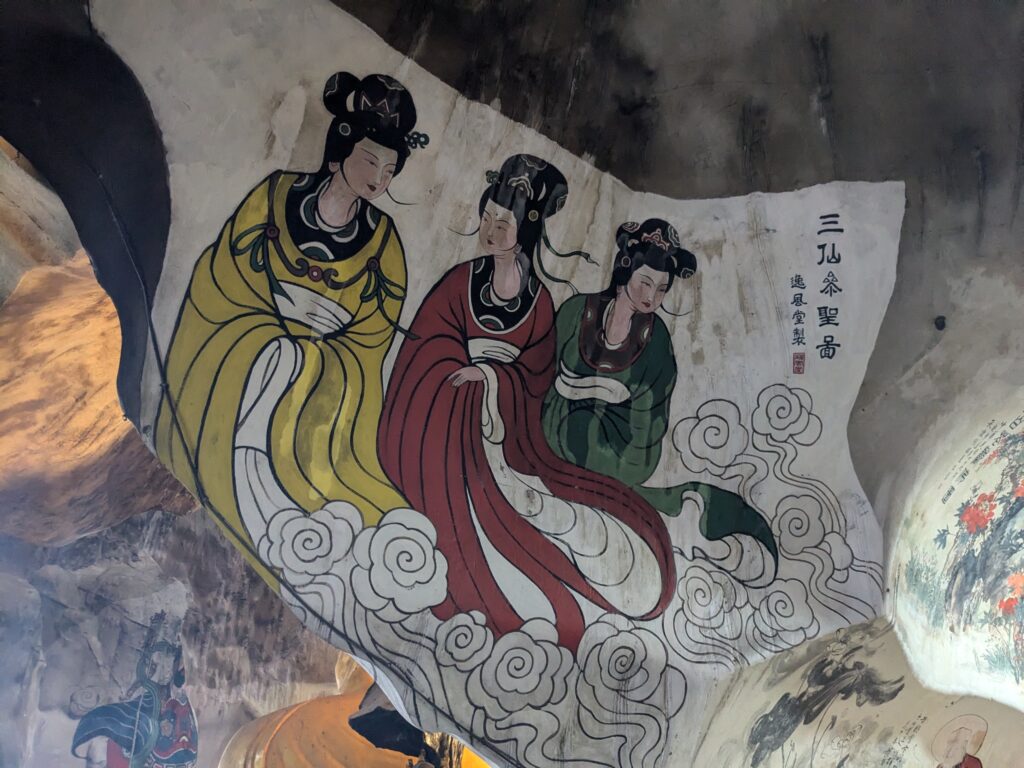
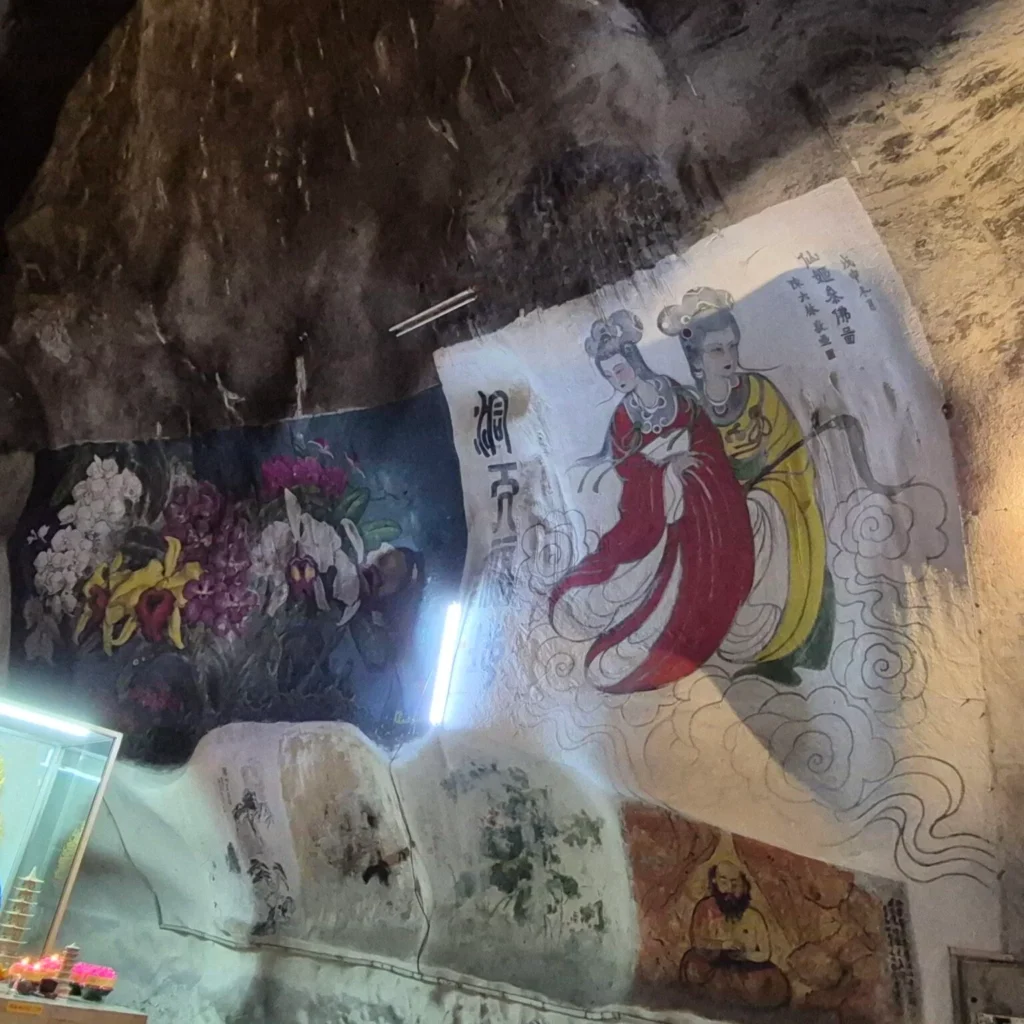
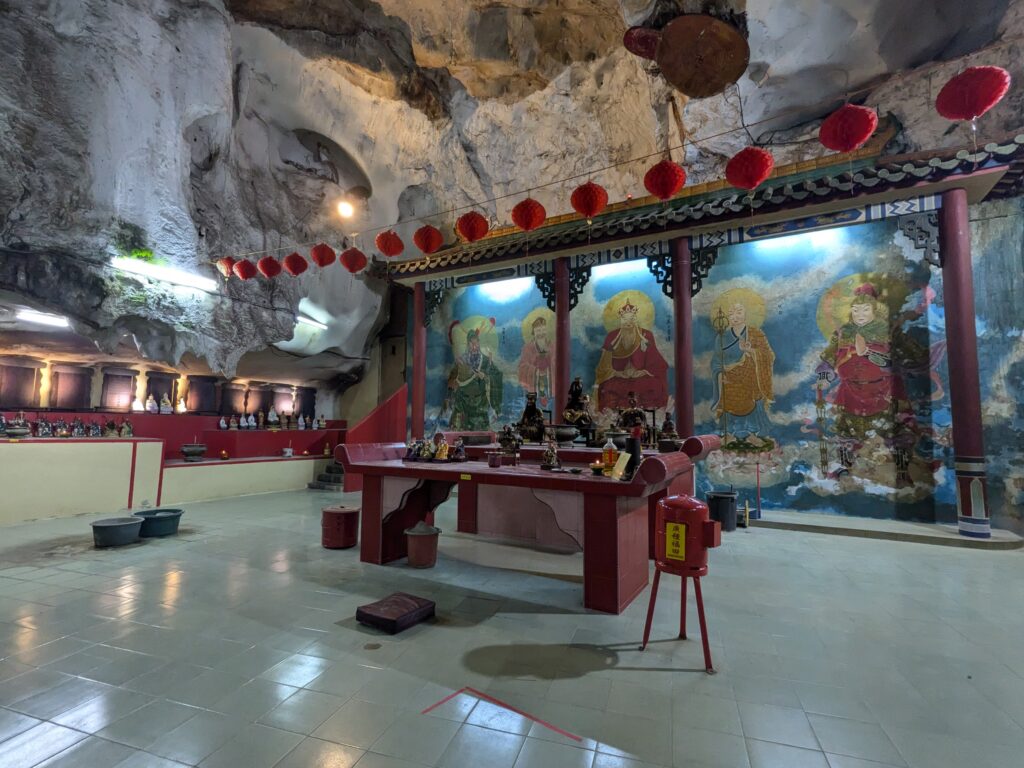
The walls are covered in bright murals — dragons, deities, swirling clouds — scenes from Chinese mythology painted right onto the limestone. They’re vibrant but softened by time, like stories whispered rather than shouted.
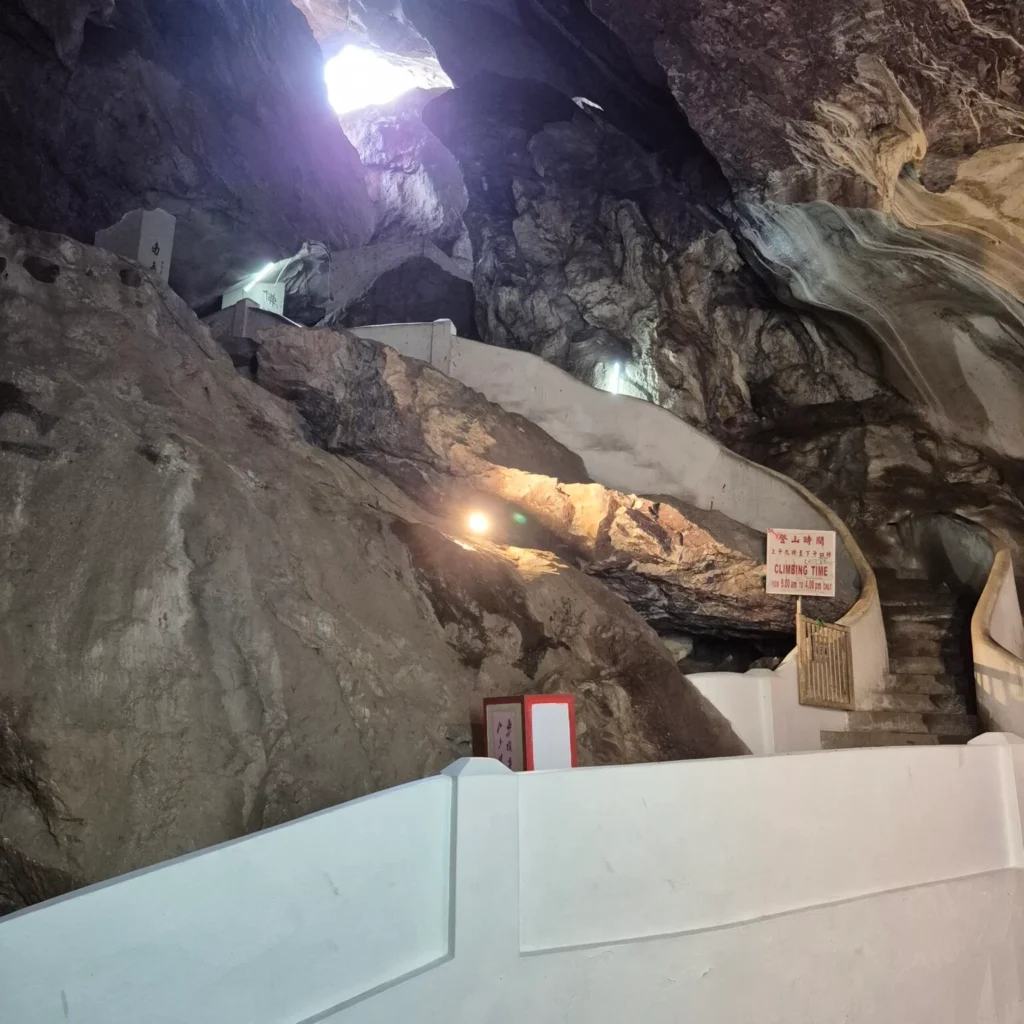
Behind the Buddha, a staircase disappears into the rock. I climbed it — all 450‑plus steps — winding through narrow passages and sudden openings until I emerged onto the hillside. At the top, a small pavilion overlooks the northern suburbs of Ipoh. The view is wide and quiet, the kind that makes you feel like you’ve earned it.
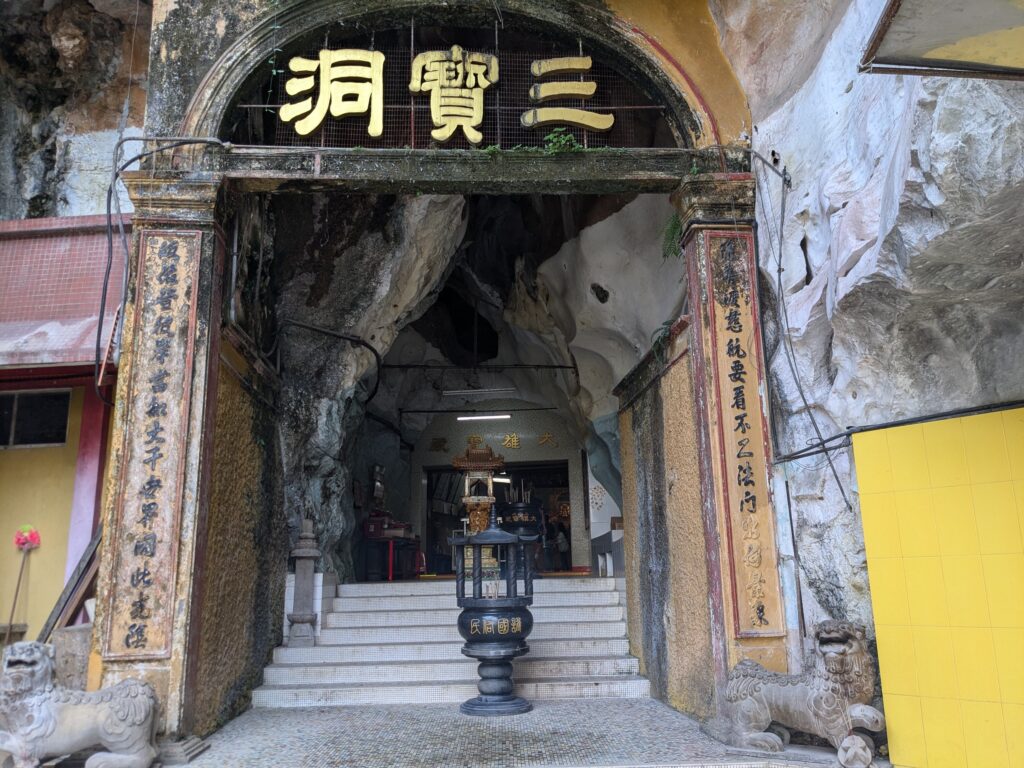
Sam Poh Tong — The Old Soul
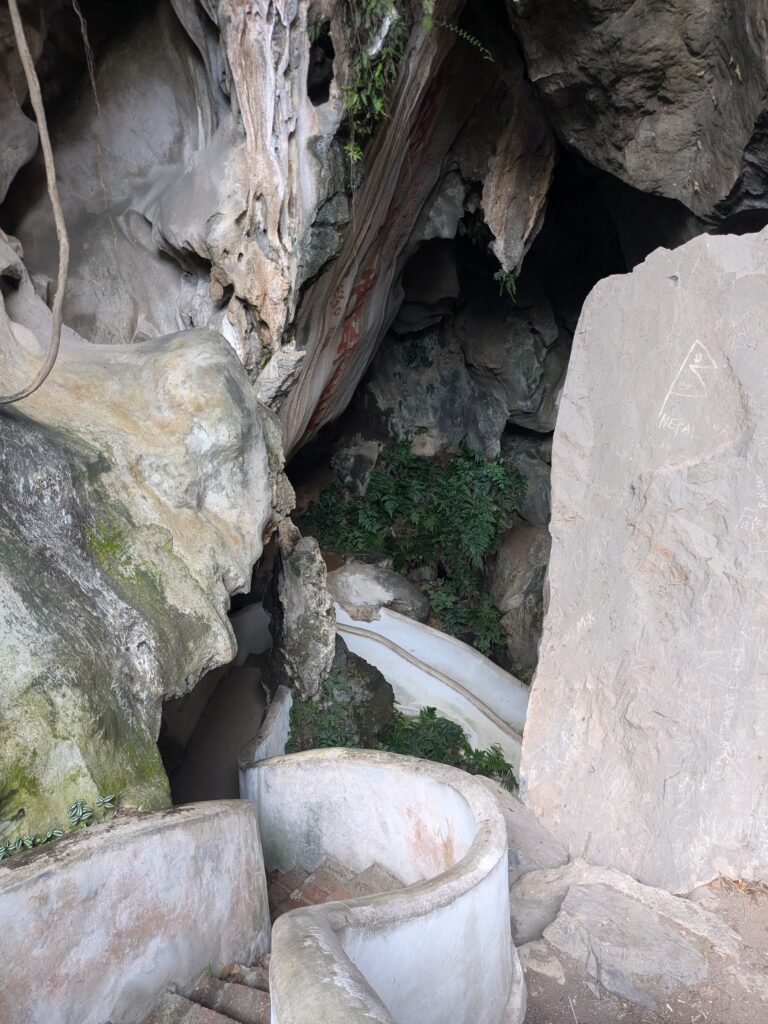
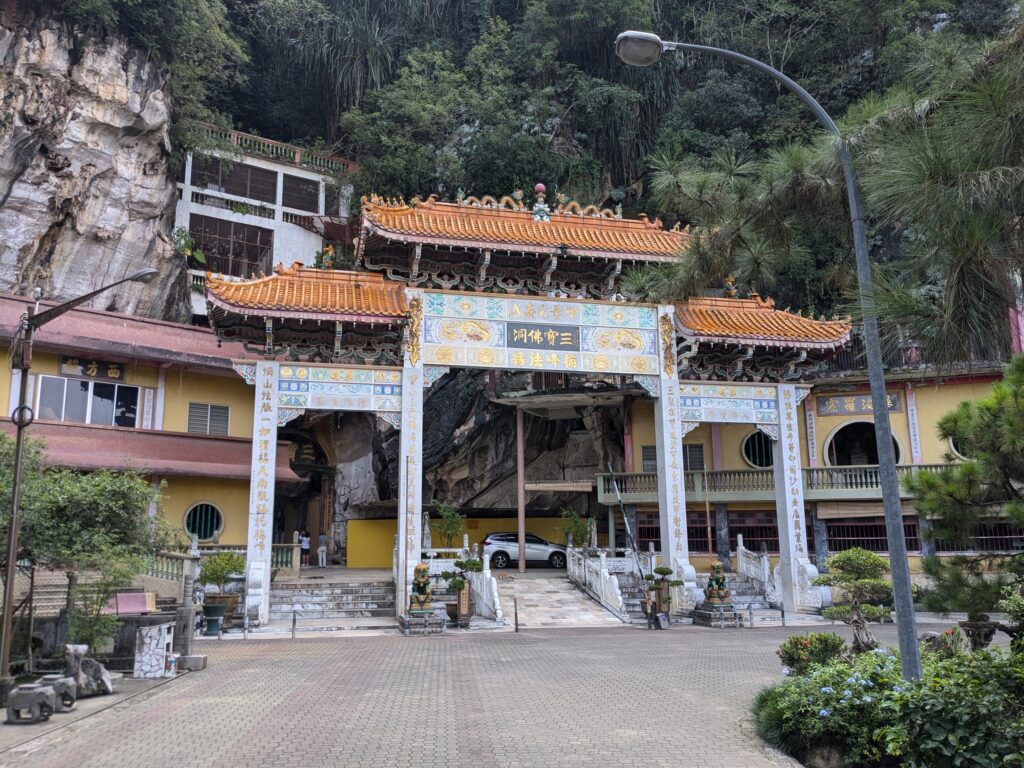
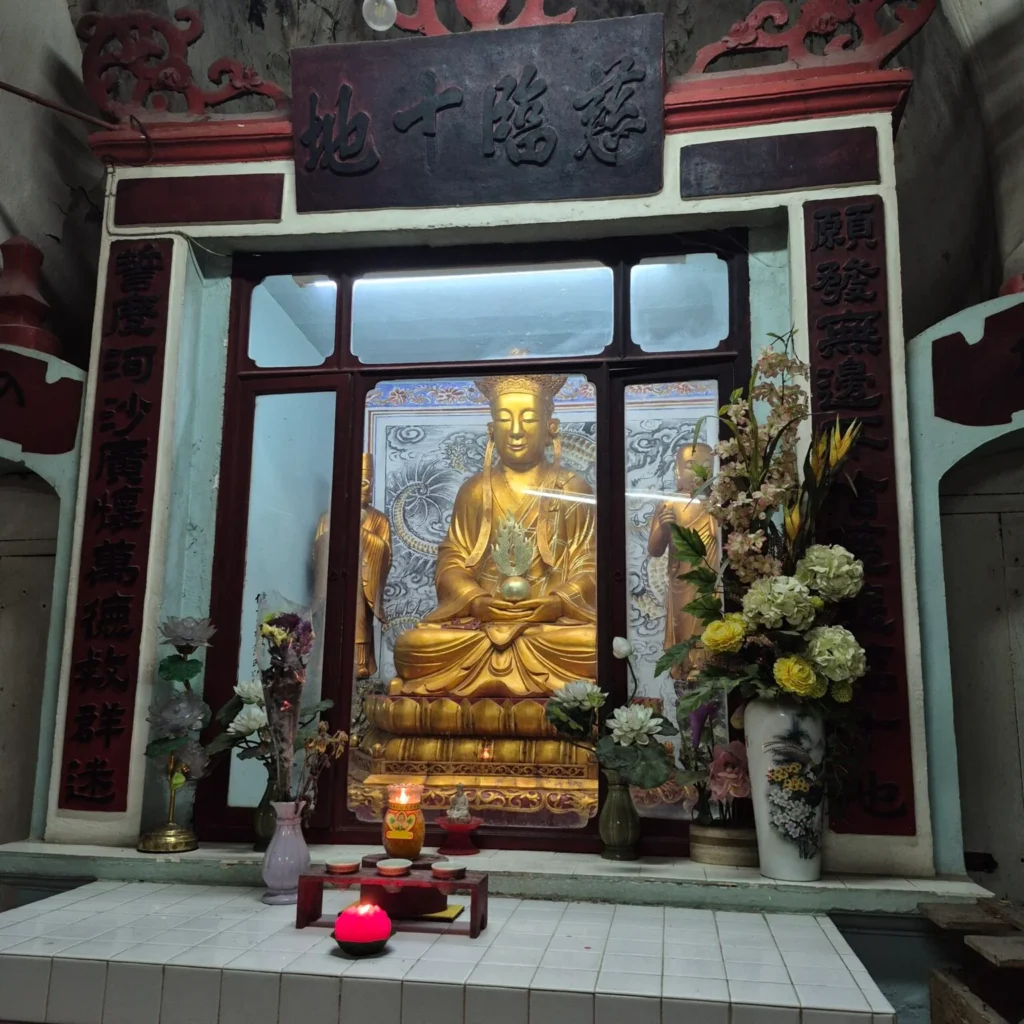
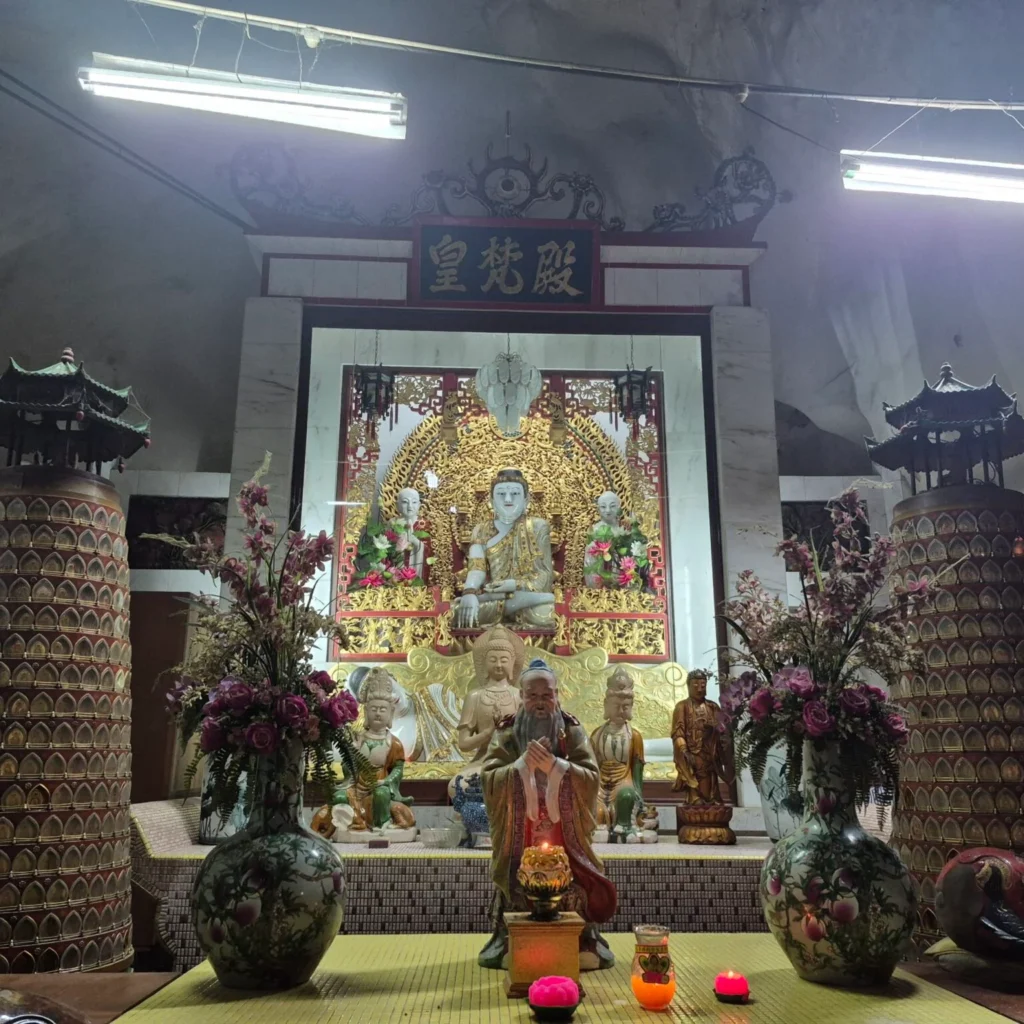
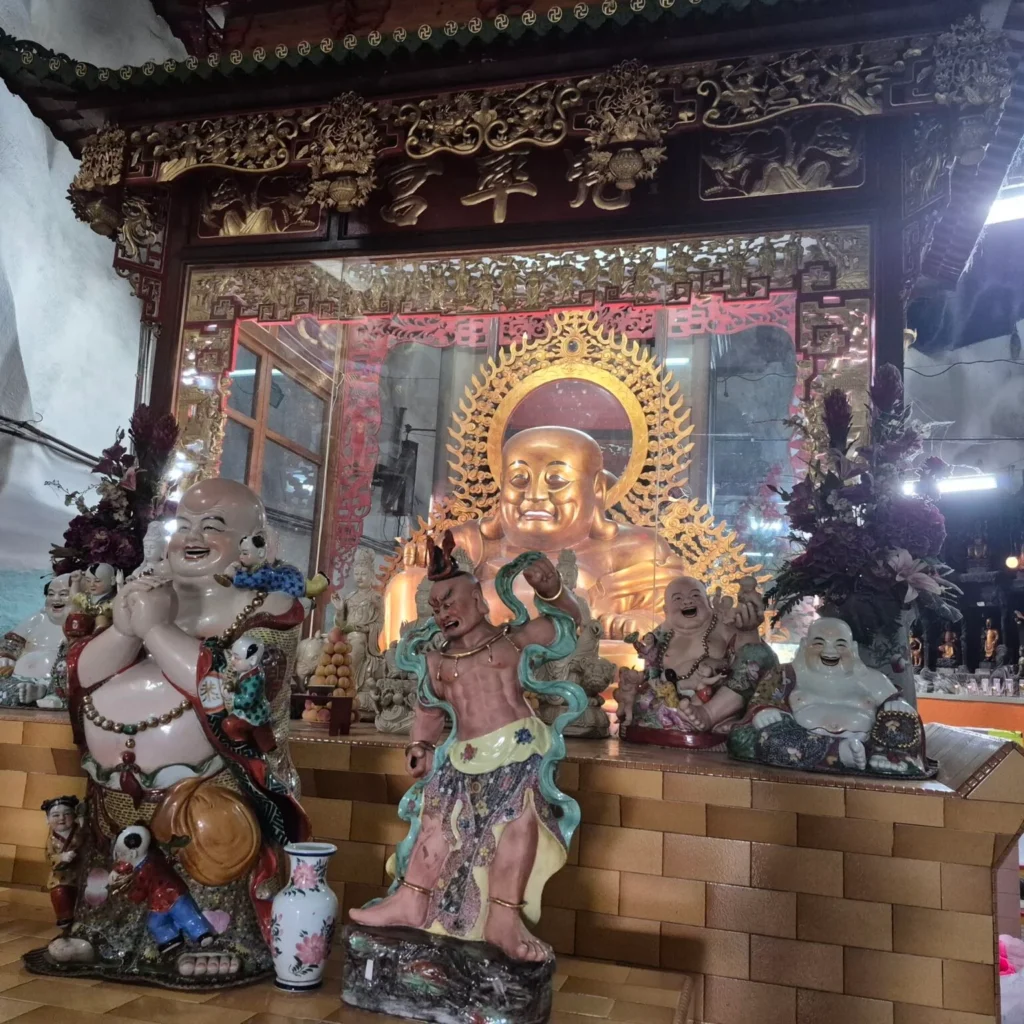
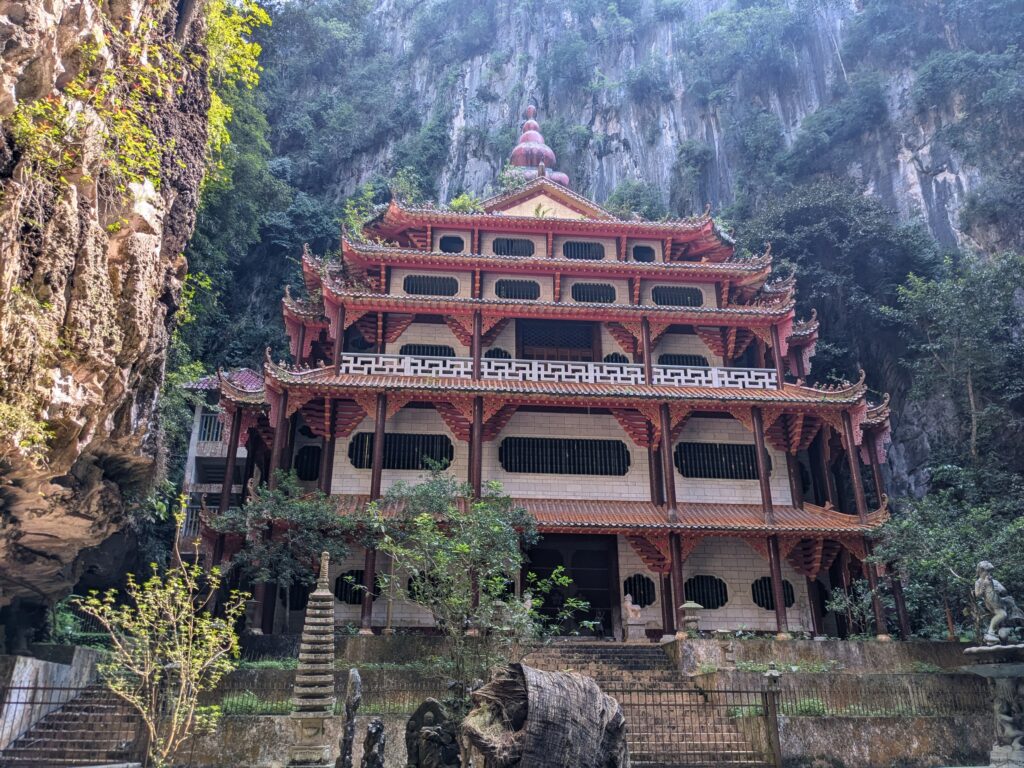
Sam Poh Tong is the opposite: grounded, ancient, and deeply calm. It’s known as the oldest cave temple in Ipoh, and you can feel that history the moment you step inside. It became a religious center in the 1890s and a temple was constructed in the 1950s. The cave is left mostly raw — rough limestone walls, natural openings, the smell of earth and stone.
There’s a hush here that feels almost instinctive. Even the light seems softer. The temple follows the Mahāyāna Buddhist tradition, and the statues and altars blend into the cave rather than standing apart from it. It feels like the mountain is holding the temple, not the other way around.
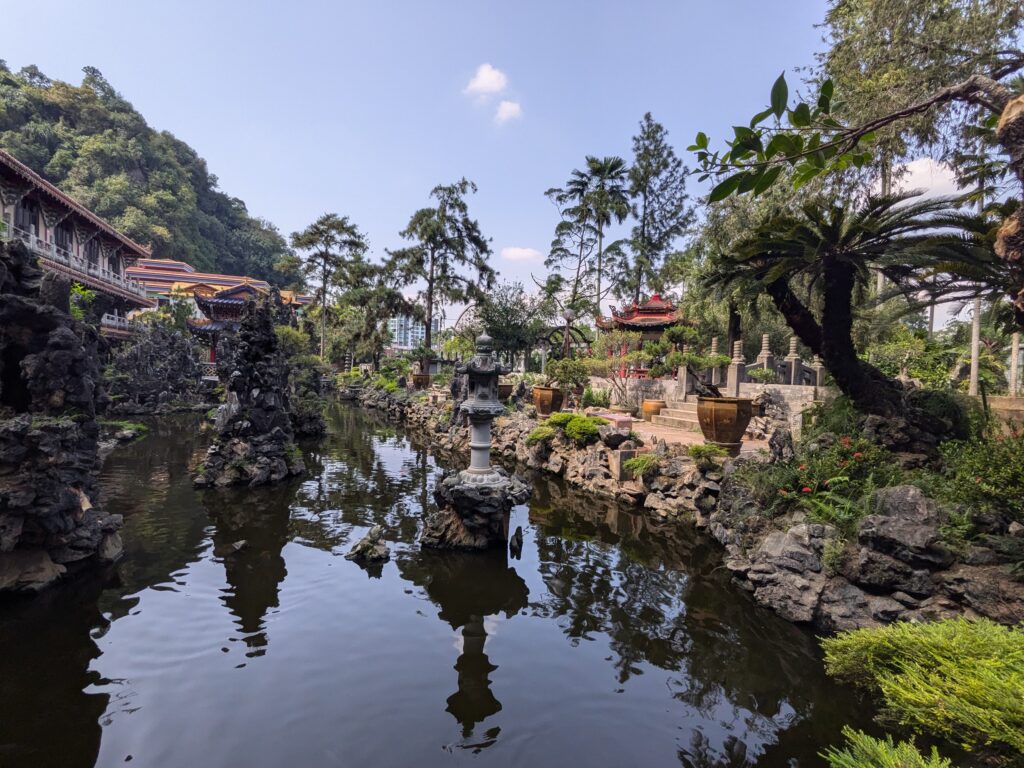
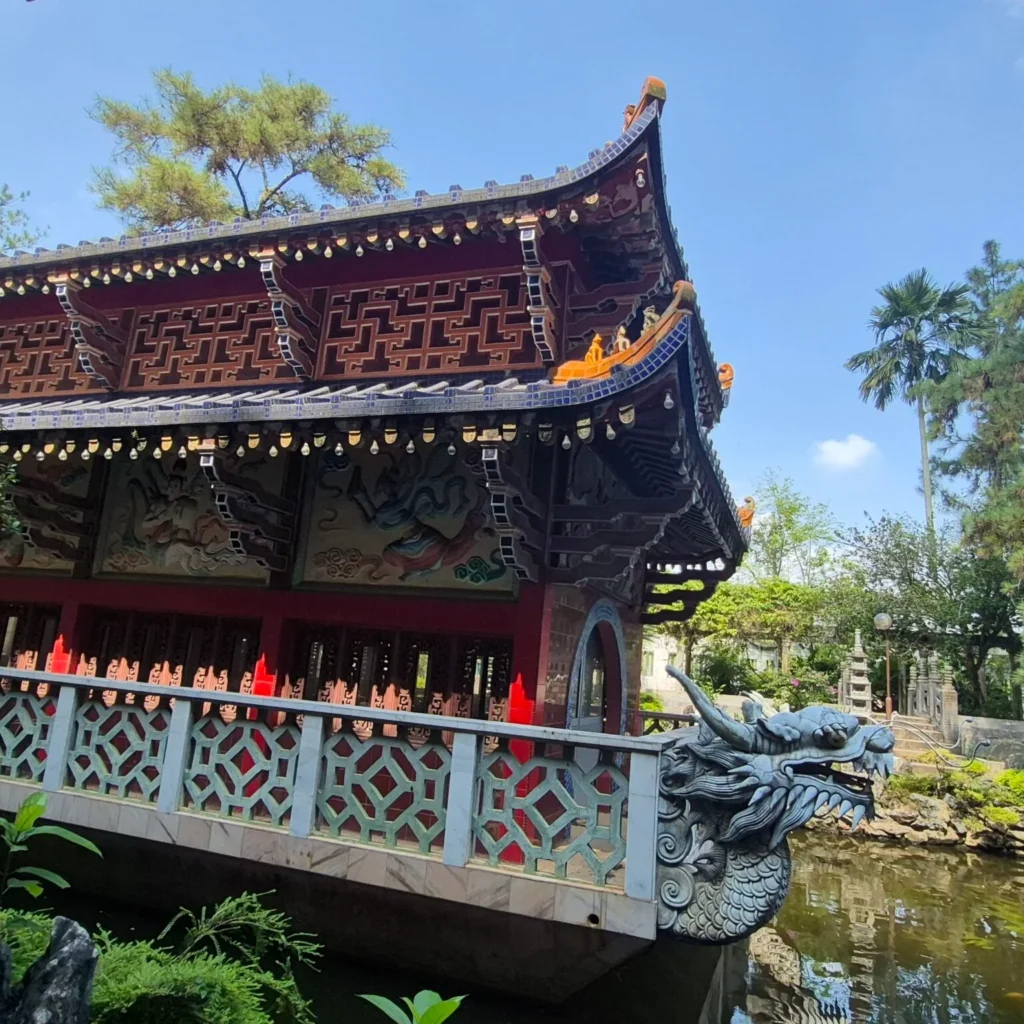
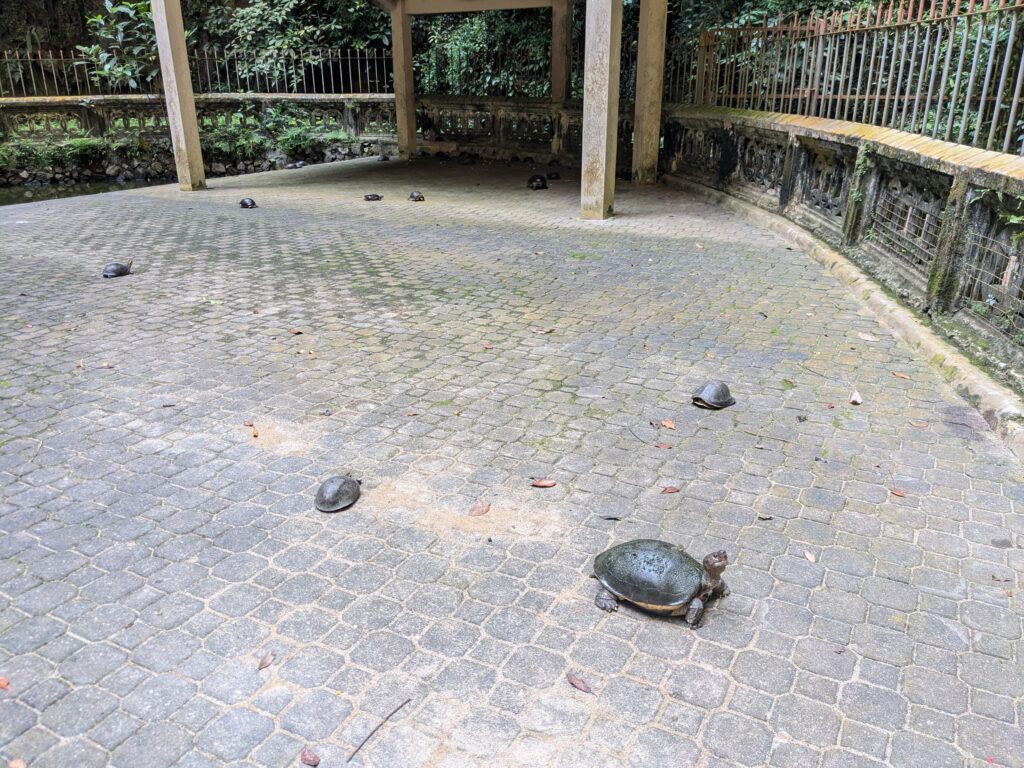
Outside, there was a beautiful koi pond garden out front, and turtles with a red pagoda in the back.
Perak Guanyin Cave — The One That Feels Like a Sanctuary
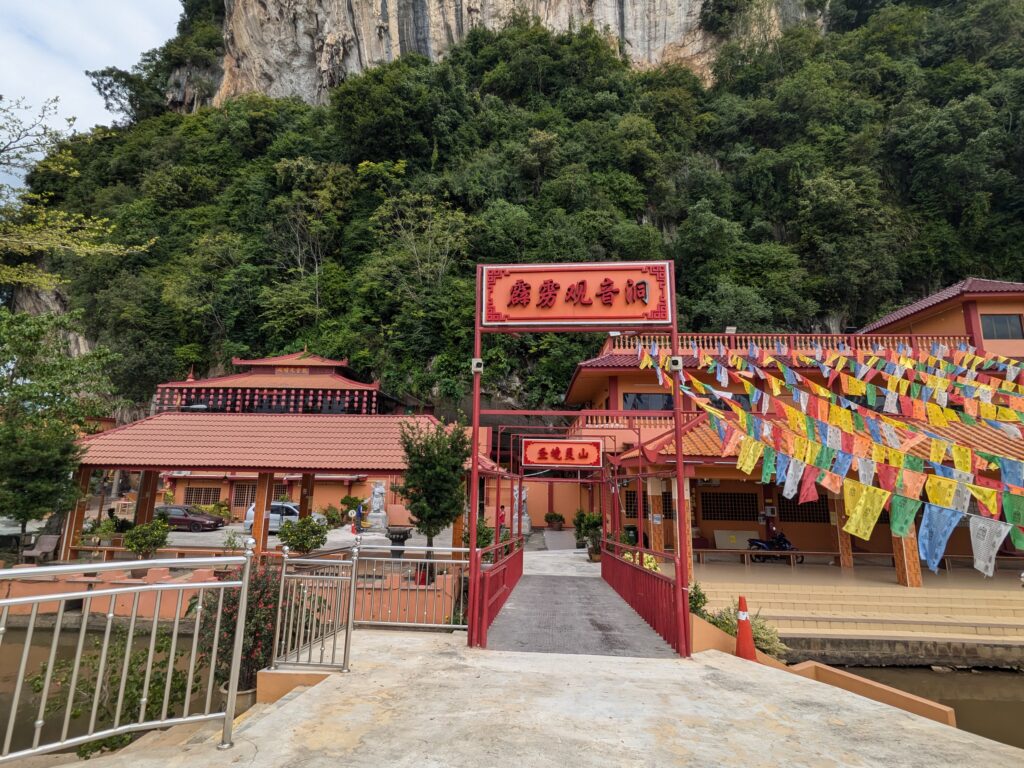
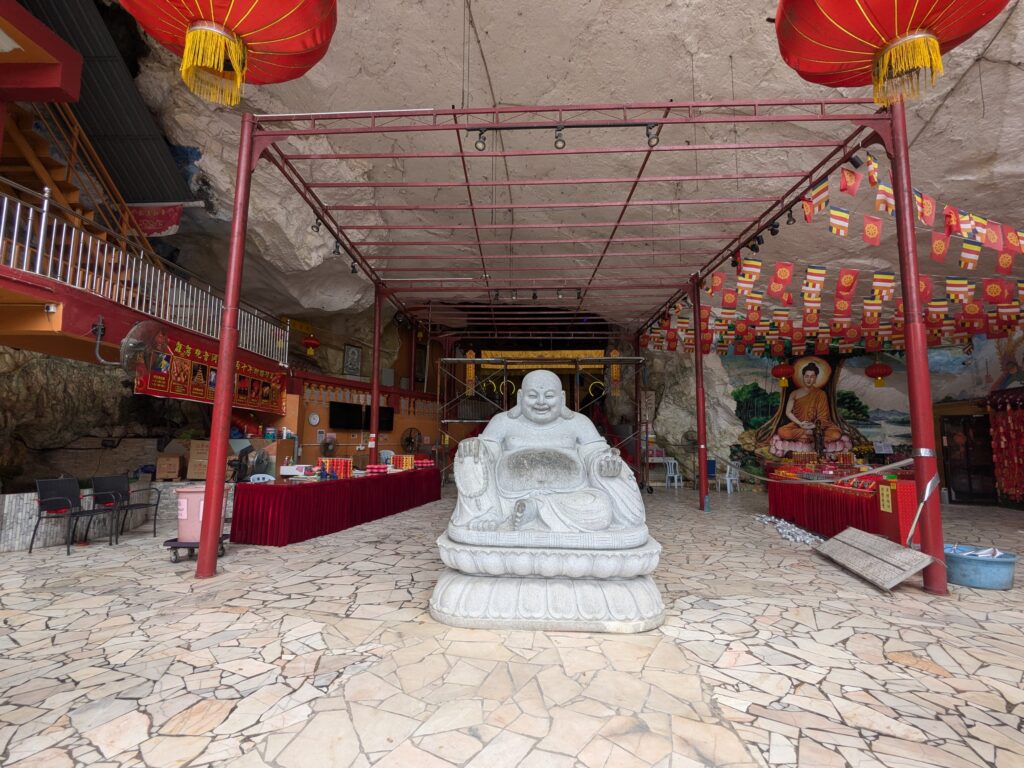
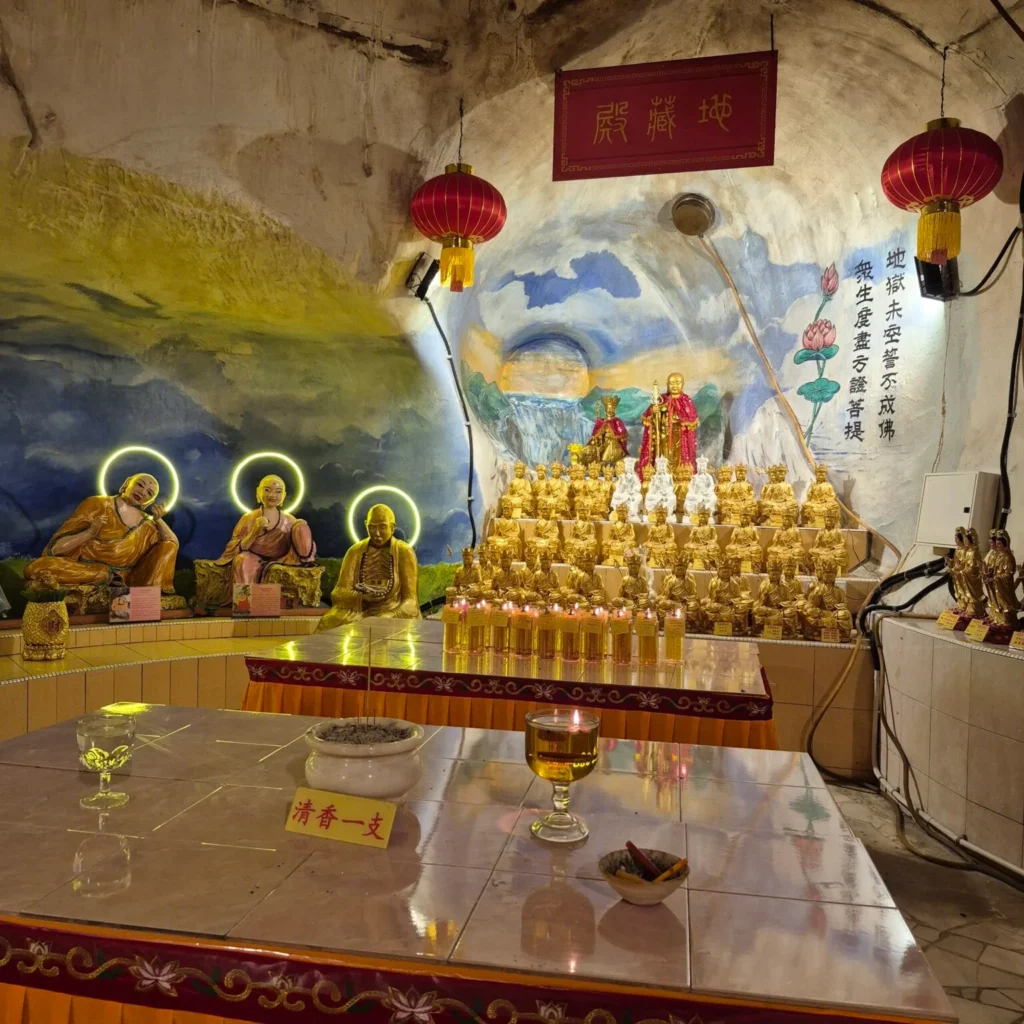
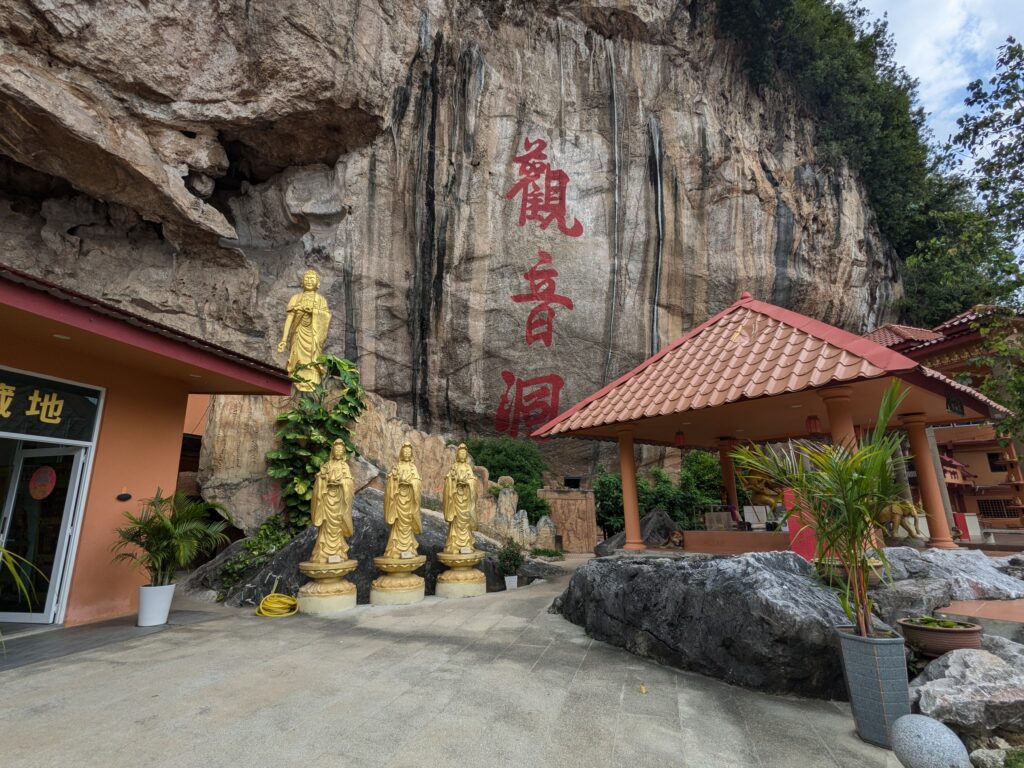
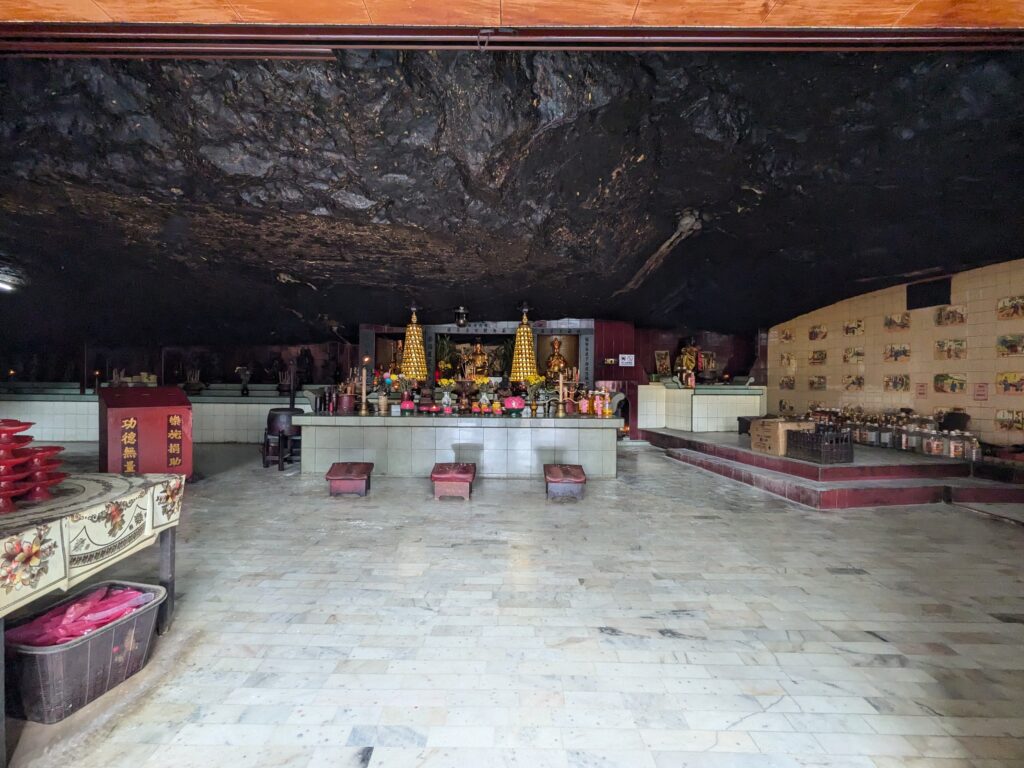
Perak Guanyin Cave (Kwan Yin Tong) sits at the foot of Gunung Rapat, and it feels like a sanctuary tucked into the mountain’s shadow. The cave isn’t huge — about twenty meters deep — but it’s beautifully cared for. The floor is paved with cool marble tiles, and the lower walls are smoothed and whitewashed, giving the space a clean, serene brightness.
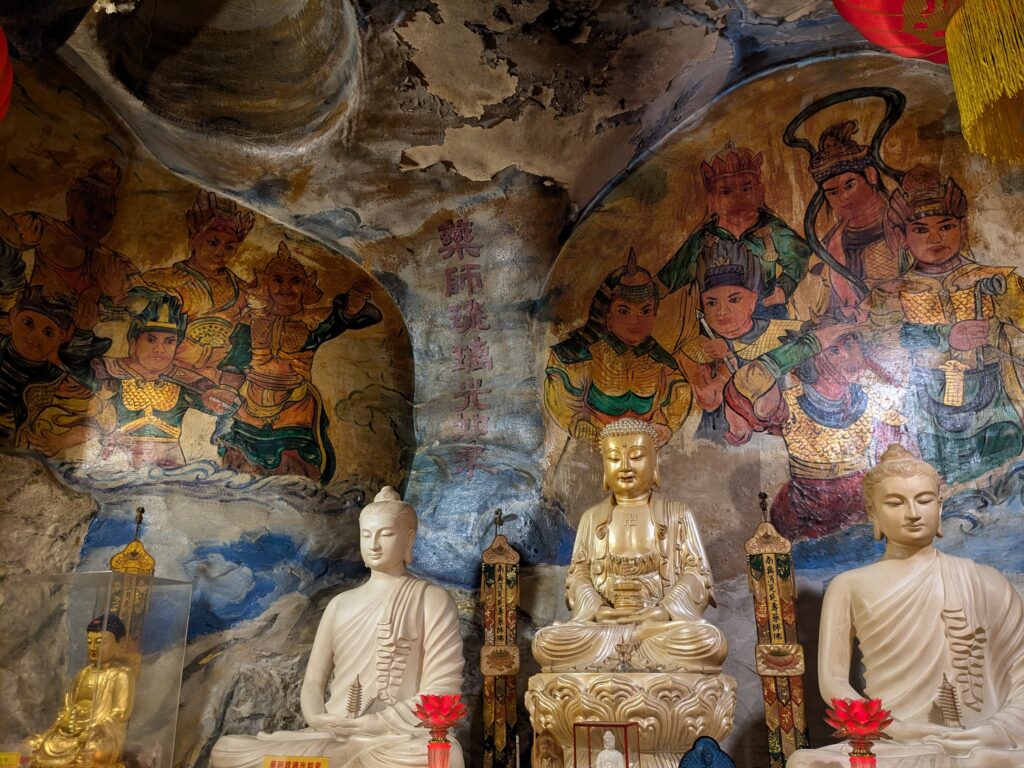
Look up, though, and the ceiling is pure limestone — untouched, textured, full of natural curves and shadows. It’s a lovely contrast: human care meeting natural form.
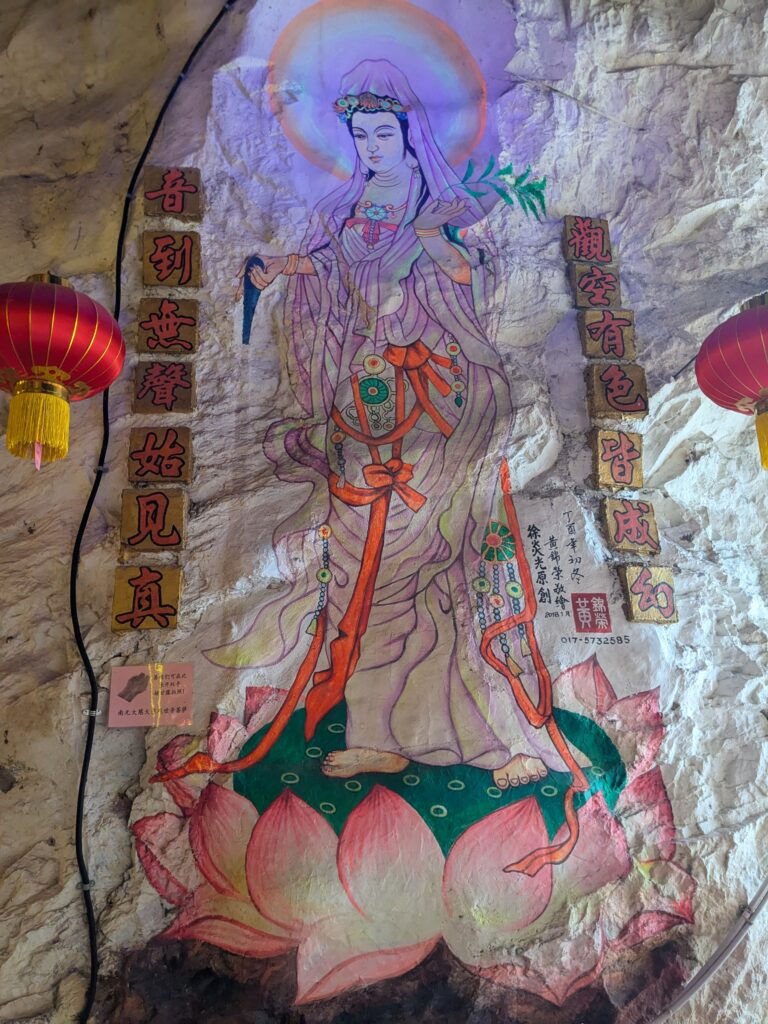
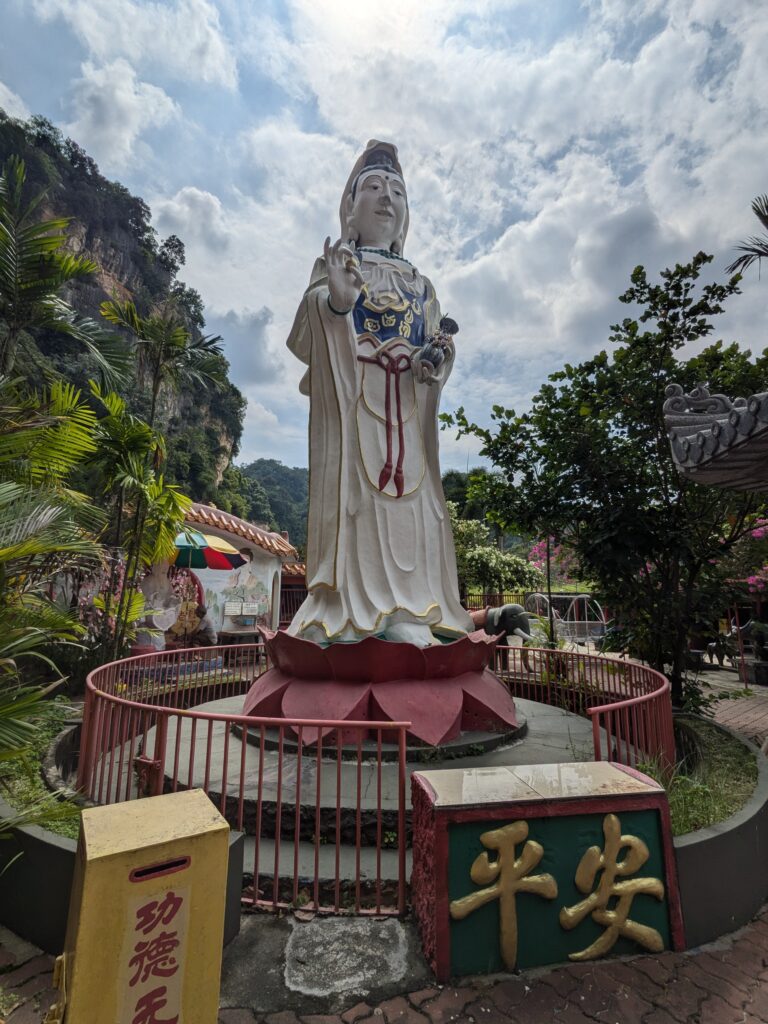
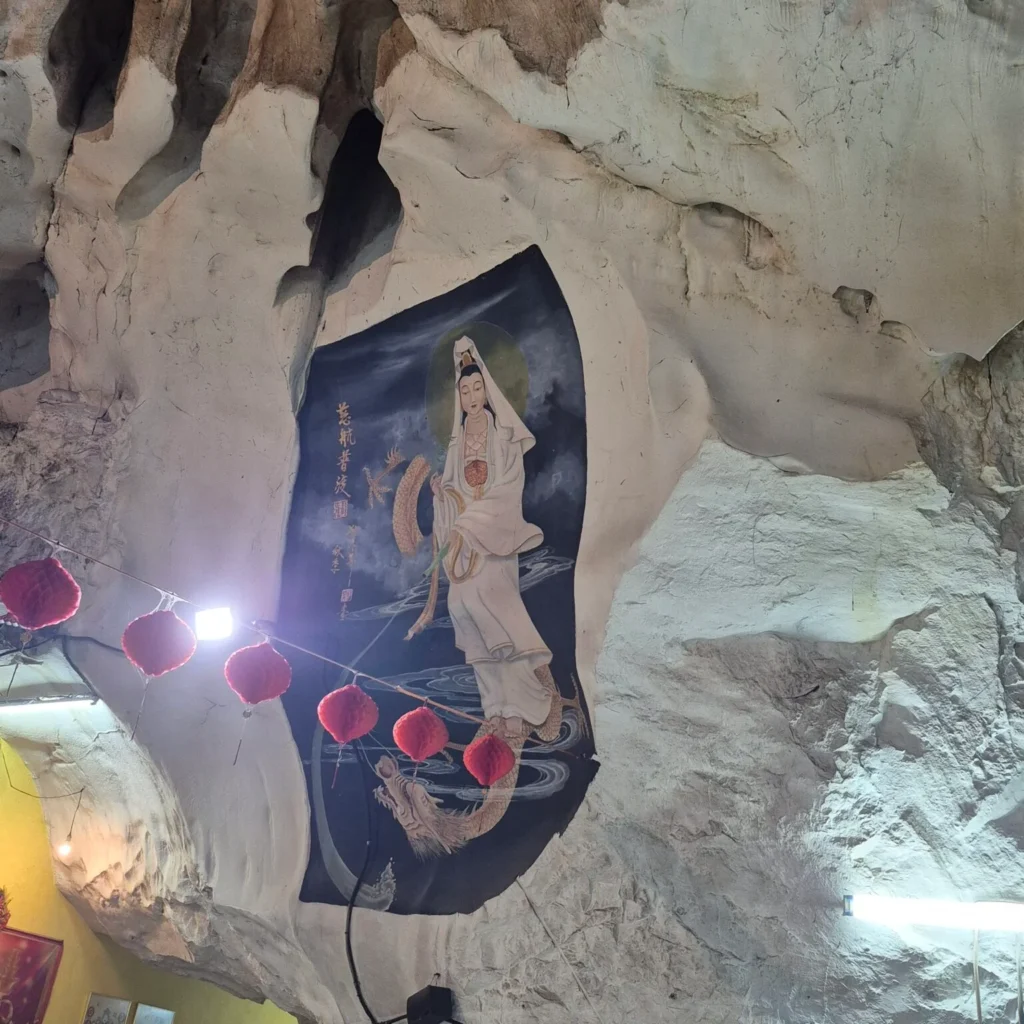
This temple is dedicated to Guanyin, the Bodhisattva of Compassion, and you see her depiction everywhere. Large statues, small figurines, colorful murals — dozens of expressions of the same gentle presence. It feels like walking through a gallery of devotion.
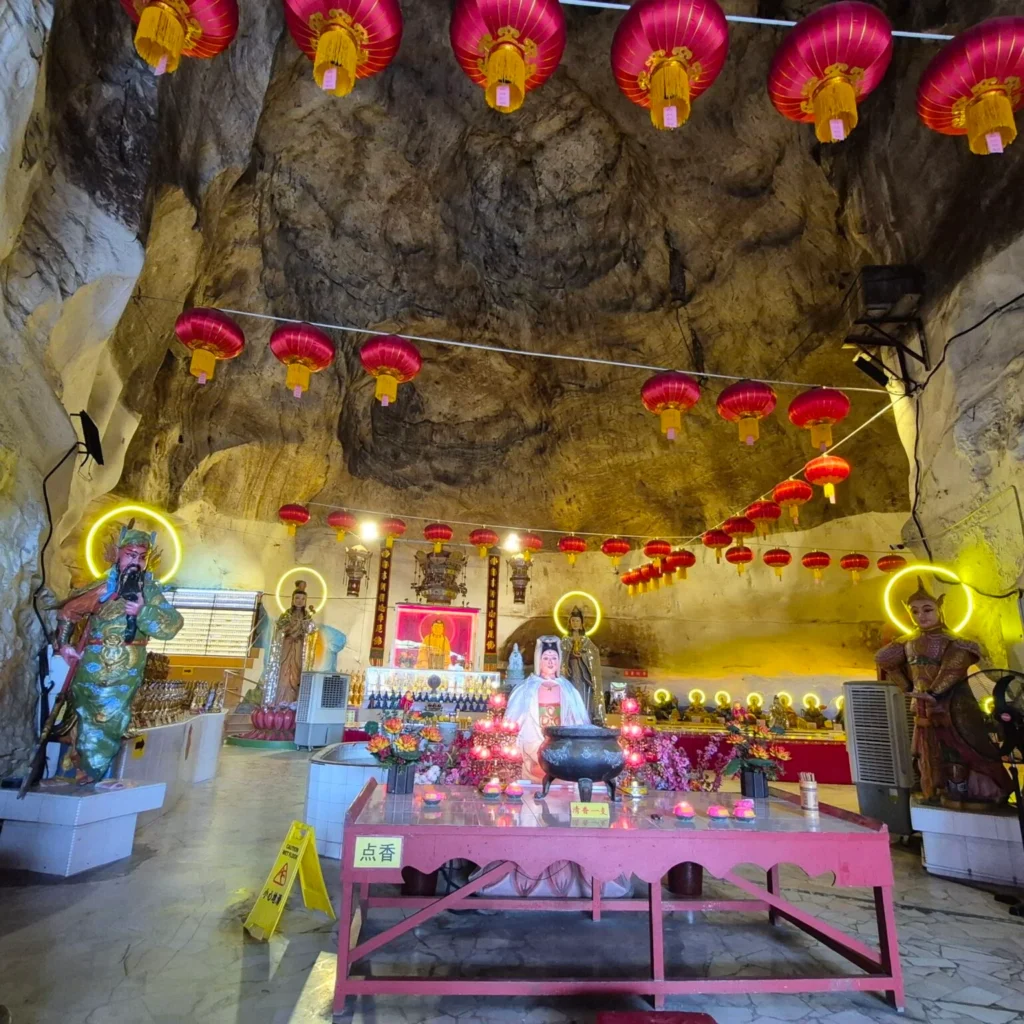
Ling Sen Tong — The Playful One
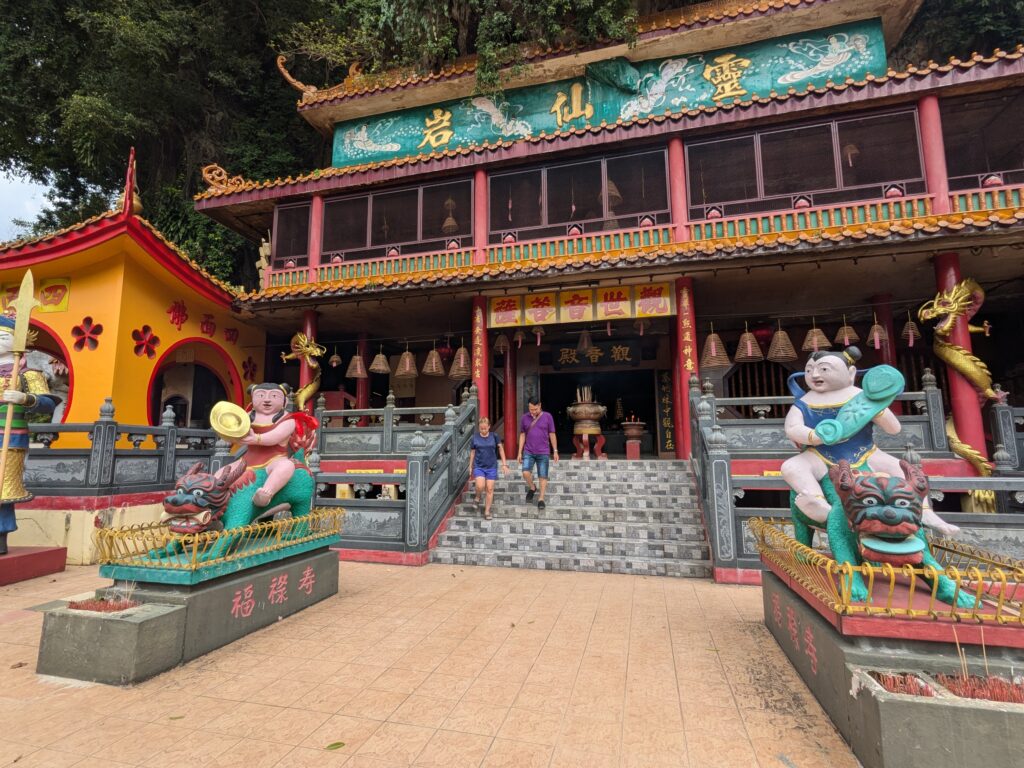
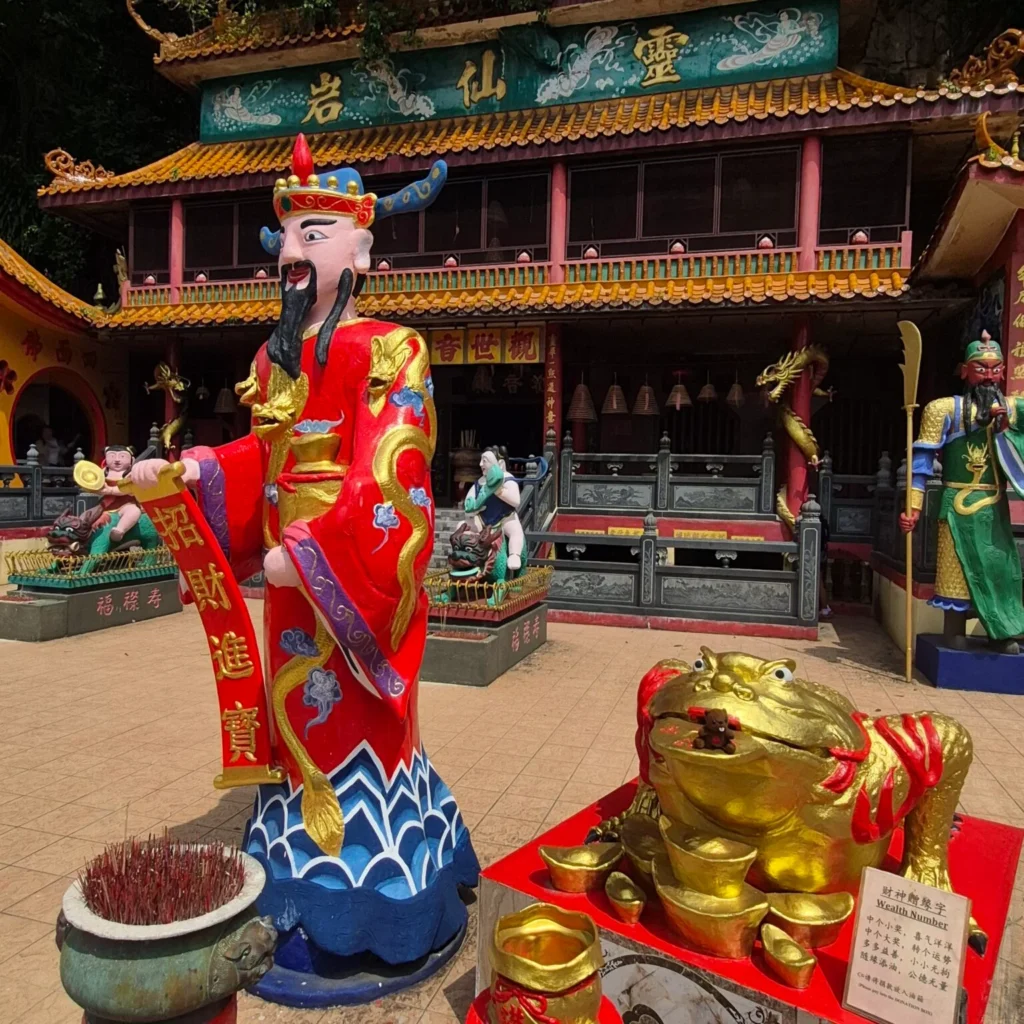
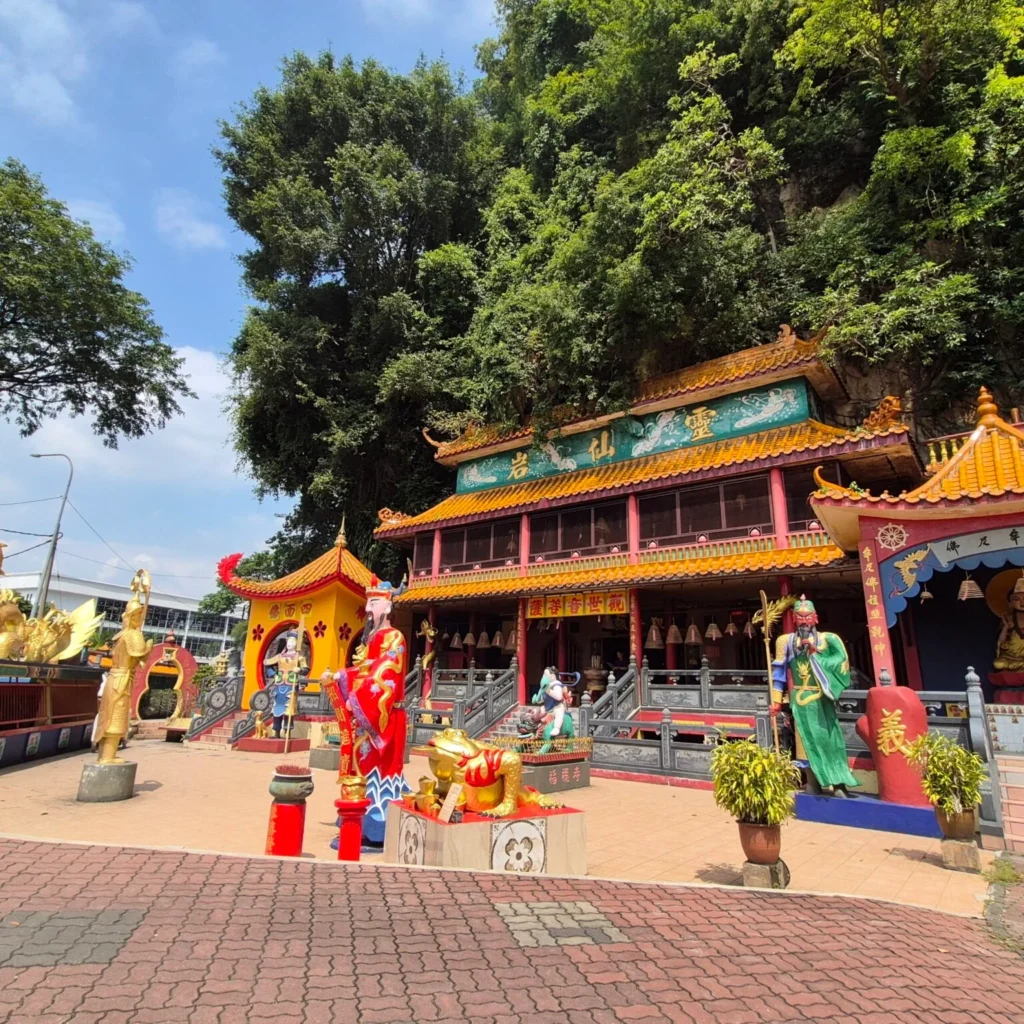
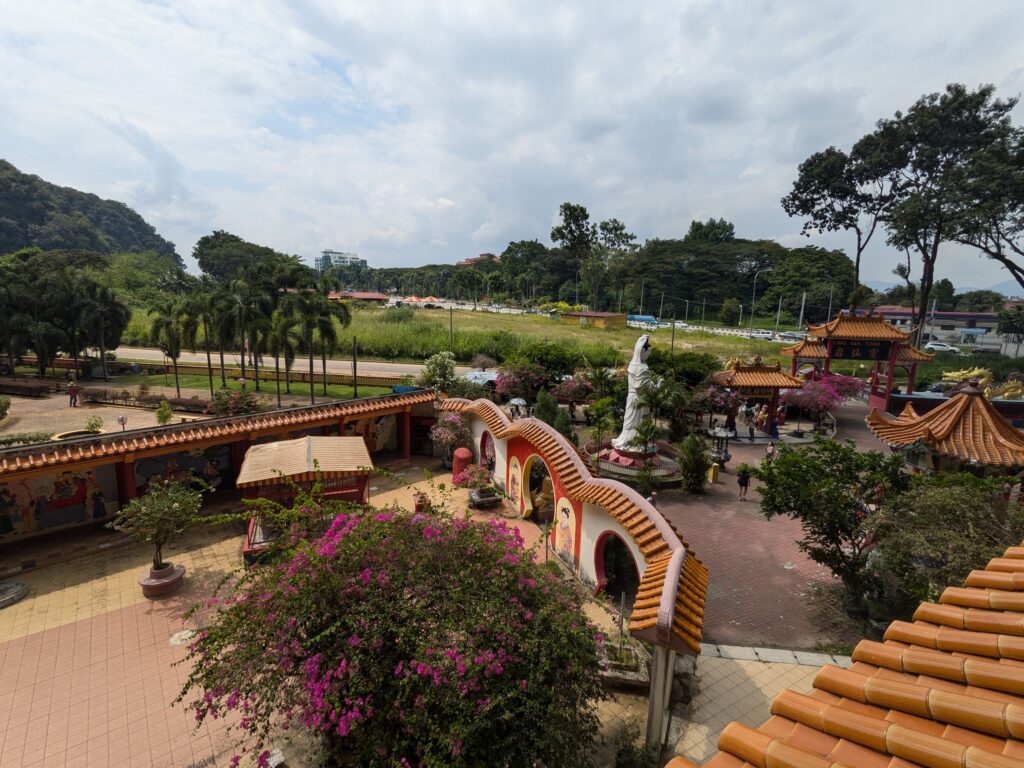
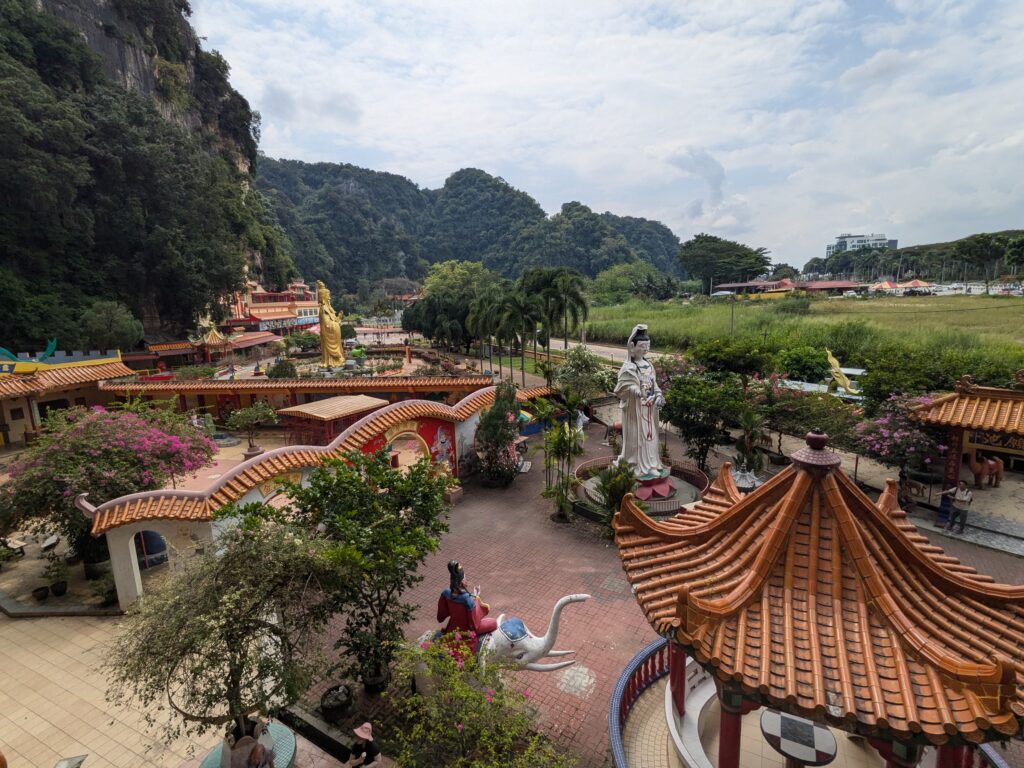
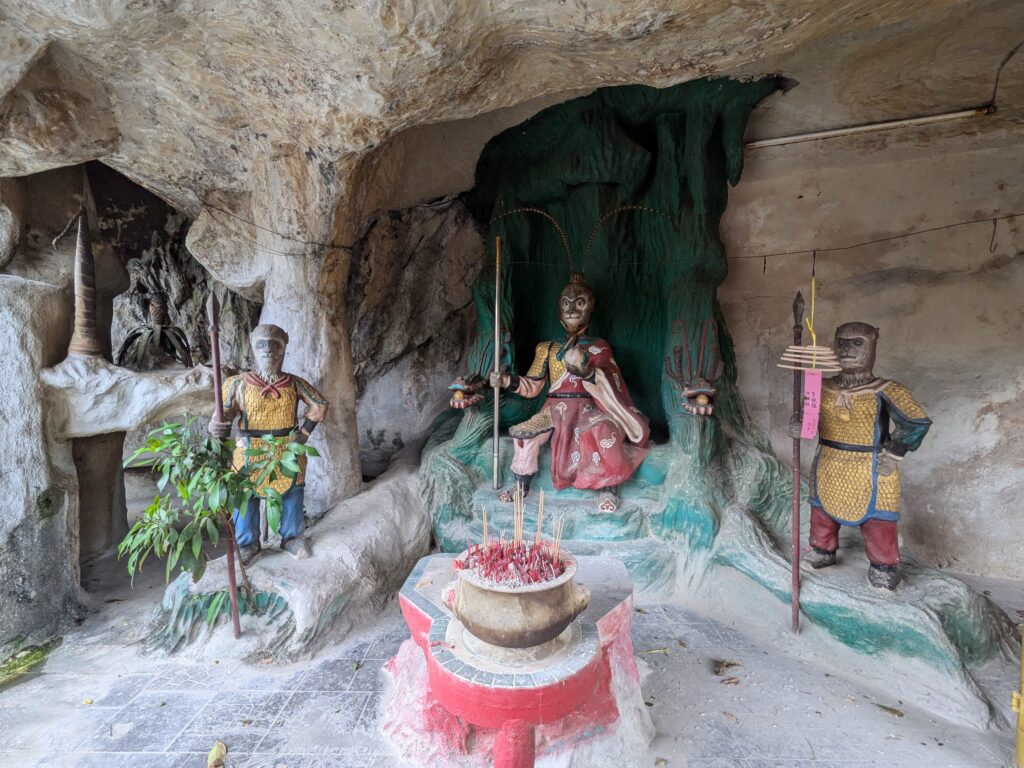
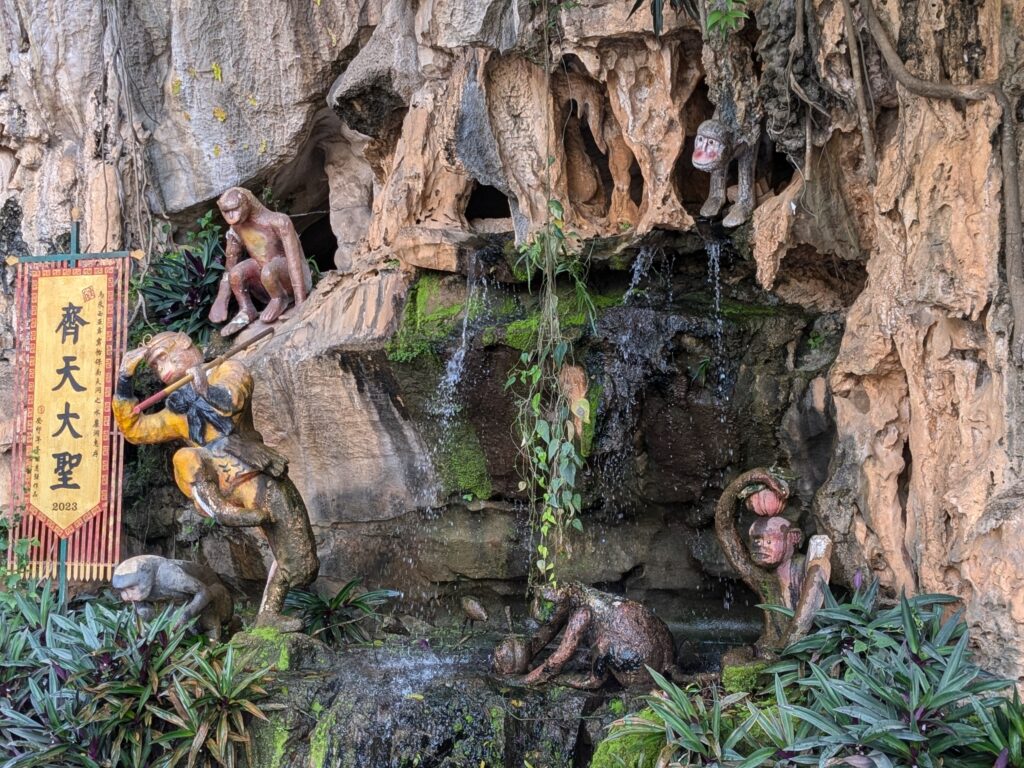
Ling Sen Tong is nothing like the others, and that’s exactly why I loved it. If the other temples are serene and contemplative, this one is joyful, almost whimsical. The garden in front is filled with bright, cartoon‑like statues from Chinese mythology — dragons, deities, and even the Monkey King from Journey to the West.
It feels a bit like a spiritual theme park, in the best possible way. After the cool caves and solemn halls of the earlier temples, Ling Sen Tong was a welcome burst of color and imagination.
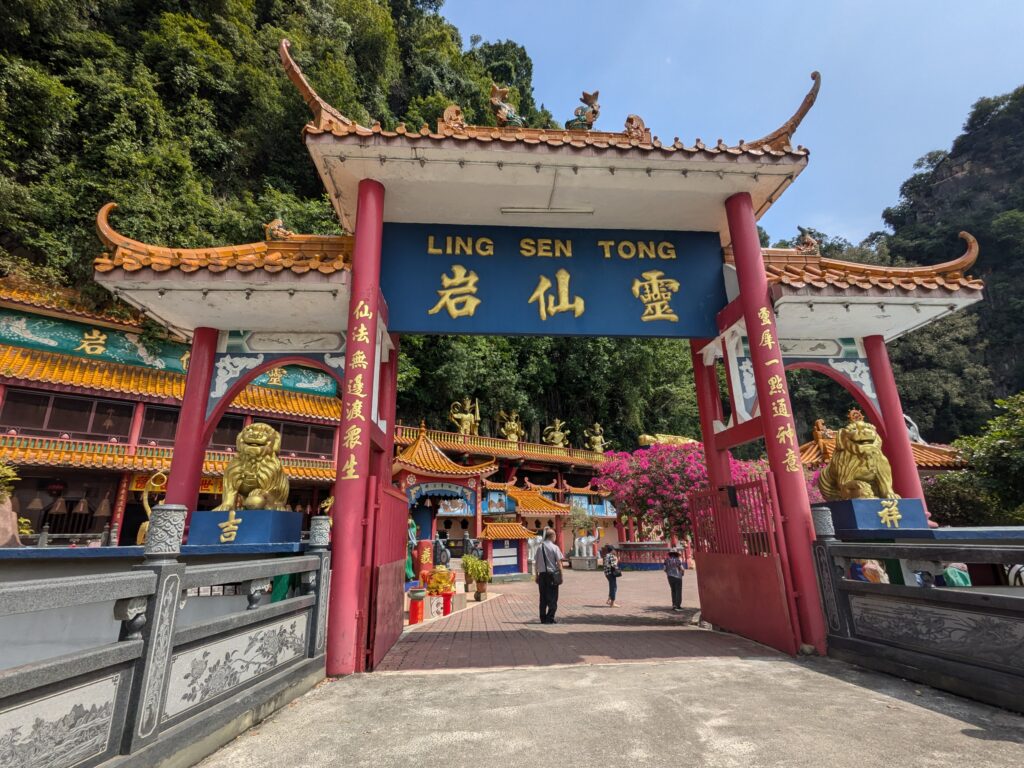
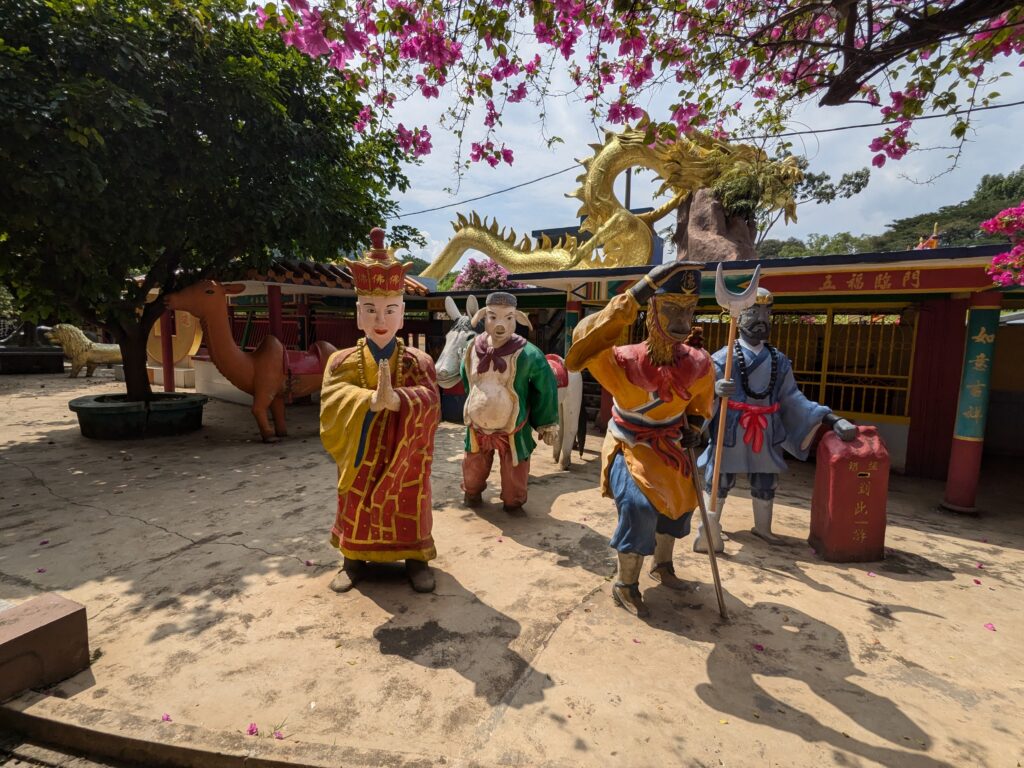
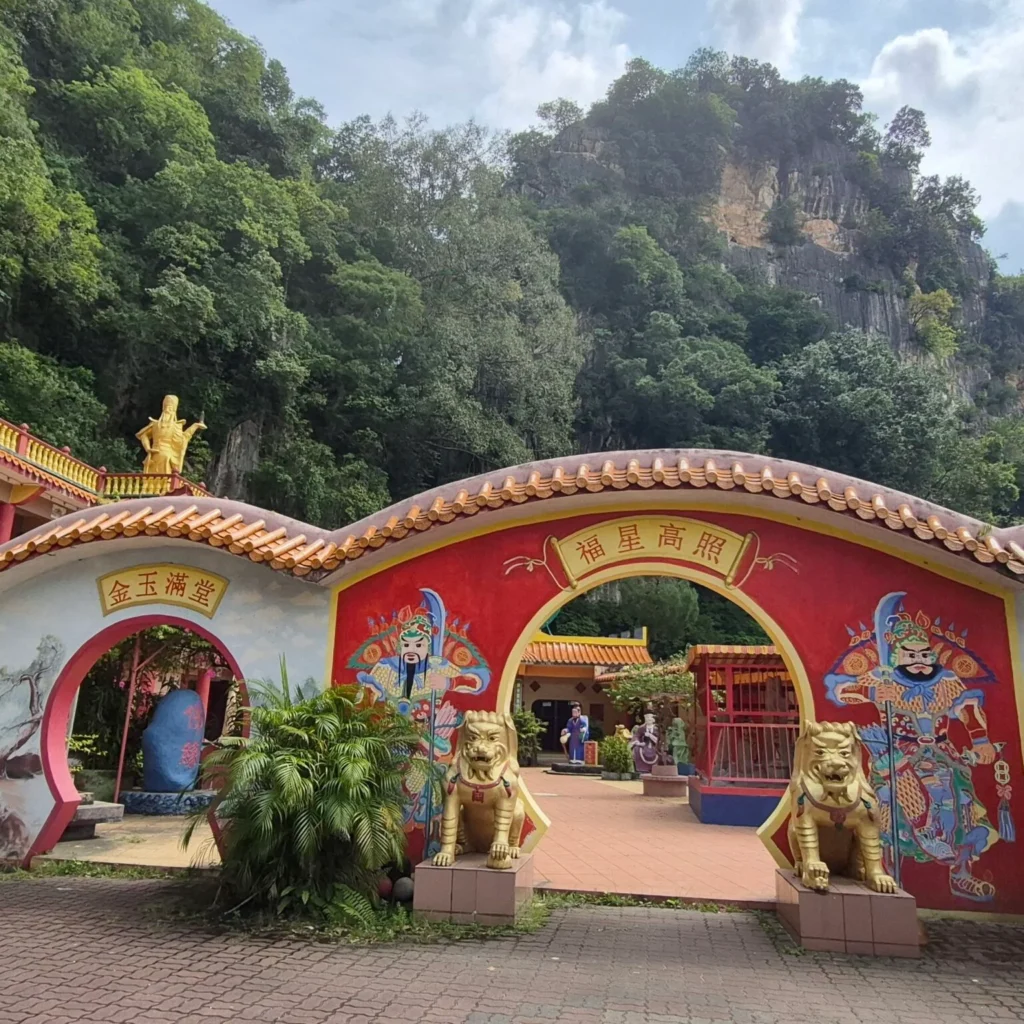
Tokong Nam Thean Tong — The Temple With Layers
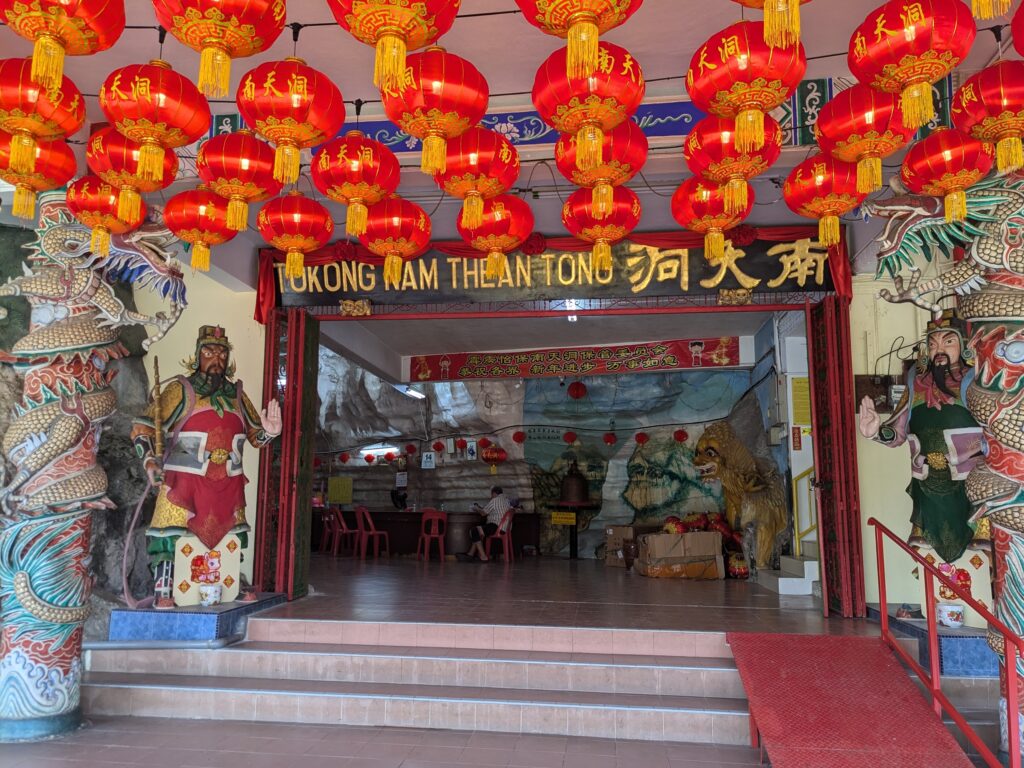
Tokong Nam Thean Tong feels like a place built in chapters. It’s one of the oldest cave temples in the Gunung Rapat area. The entrance is simple, almost understated, but once you walk in, the space opens into a series of levels and chambers that climb into the limestone.
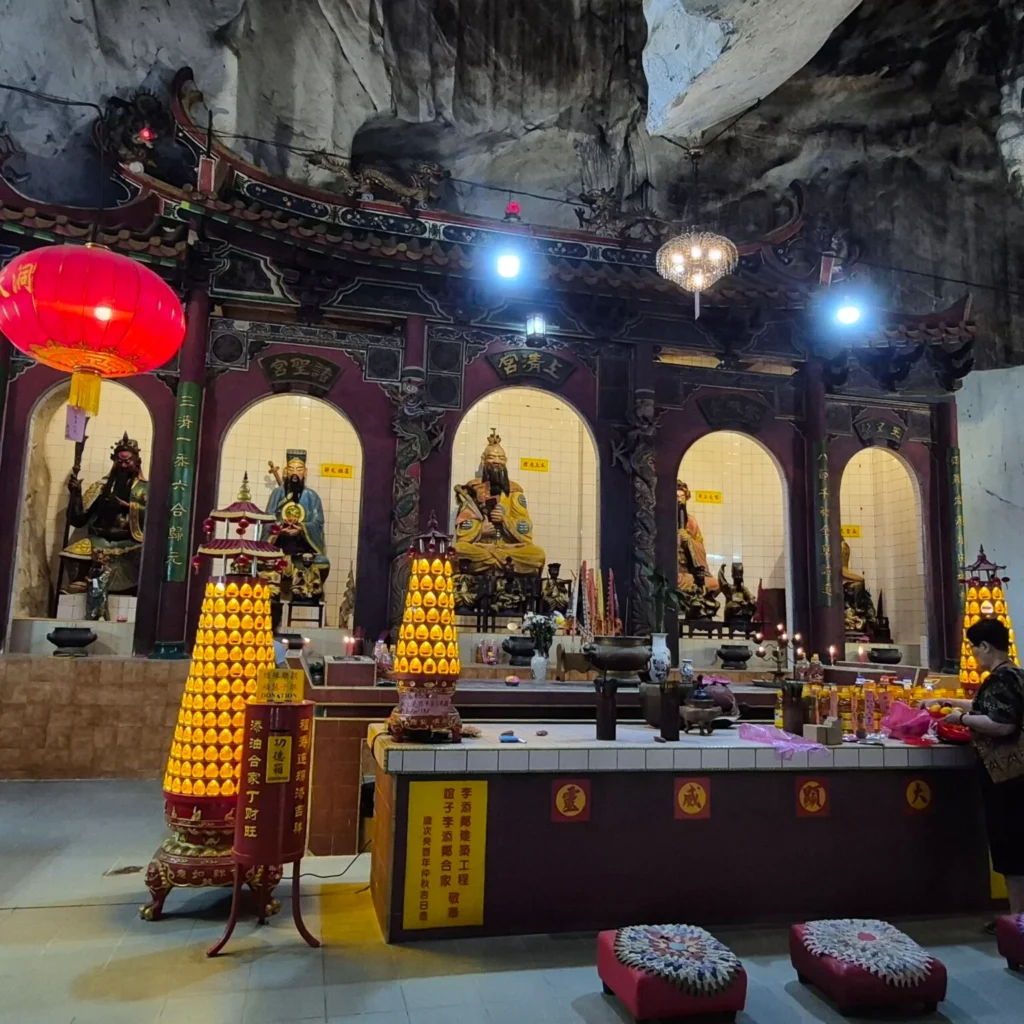
The first hall is bright and airy, with altars dedicated to Buddhist and Taoist deities – a reminder of how Chinese temples in Malaysia often blend traditions seamlessly. Incense curls upward in soft spirals, and the sound of chanting echoes gently against the stone.
As I climbed the narrow staircases, the temple revealed itself floor by floor. Some levels are small and quiet, with just a single statue or offering table. Others open into unexpected pockets of space carved naturally by the cave. It feels intimate, like discovering hidden rooms in an old house.
A small balcony halfway up offers a beautiful view of the courtyard below, framed by the limestone cliffs rising around it.
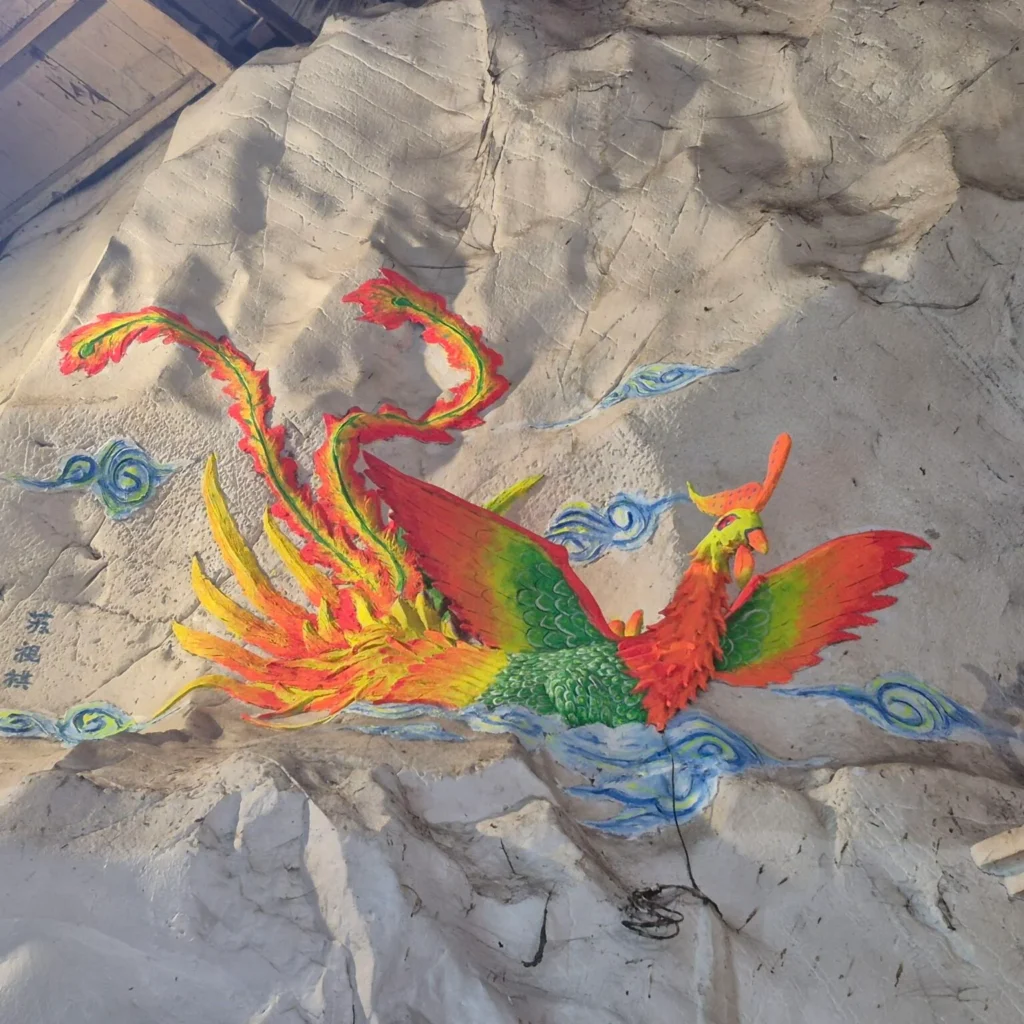
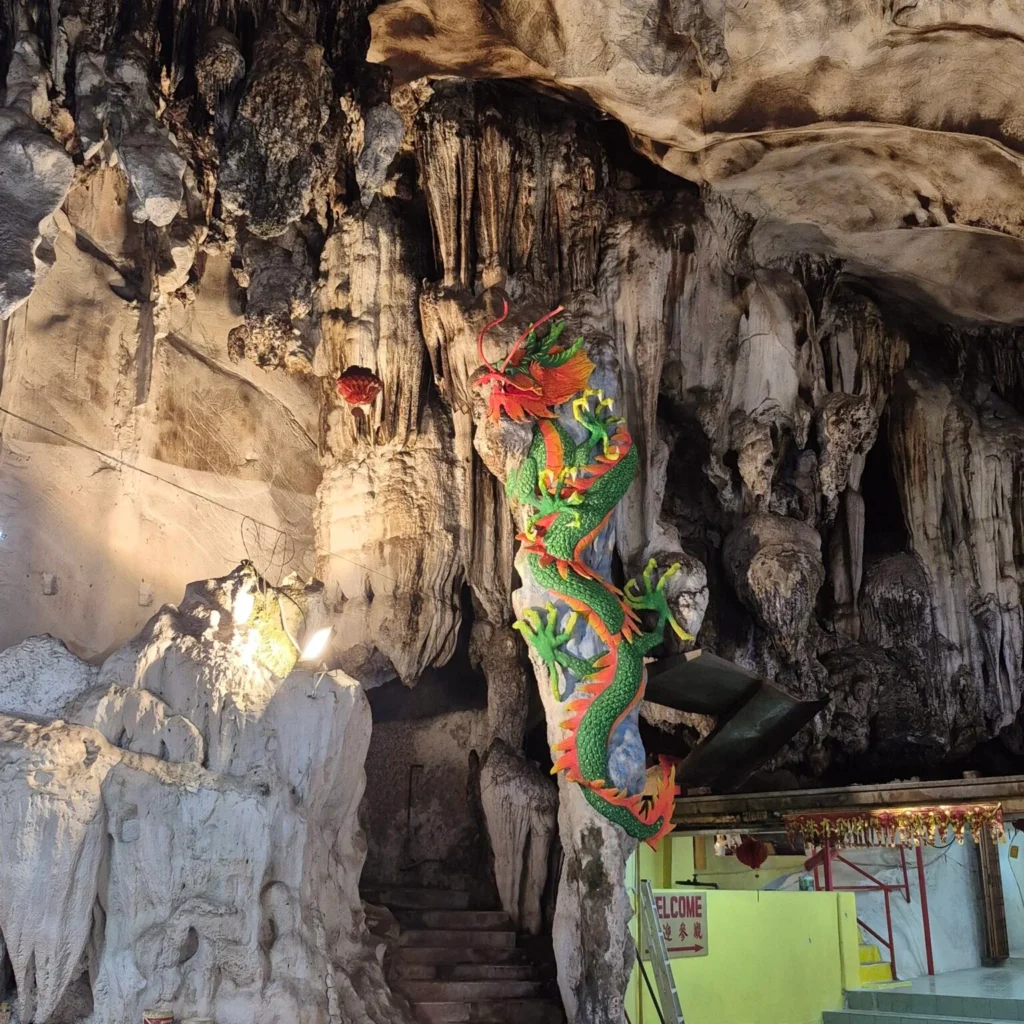
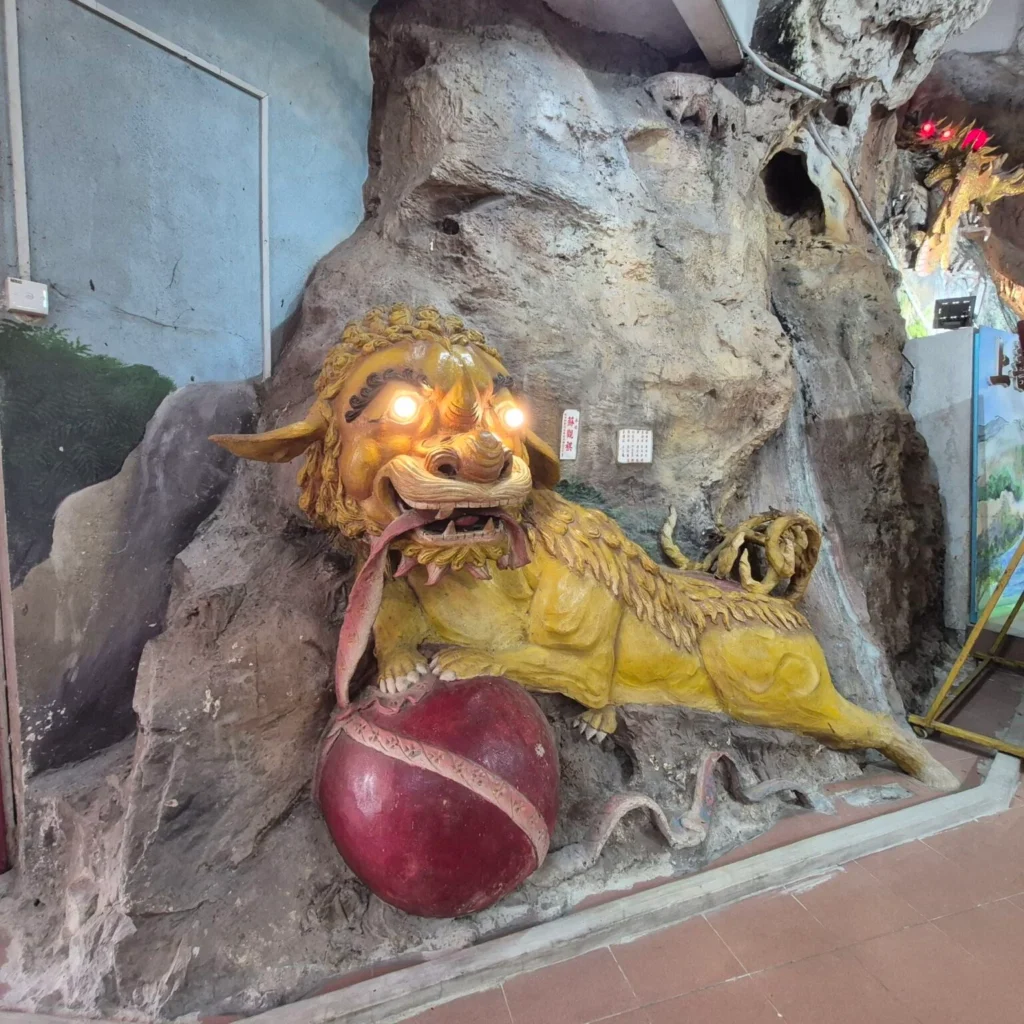
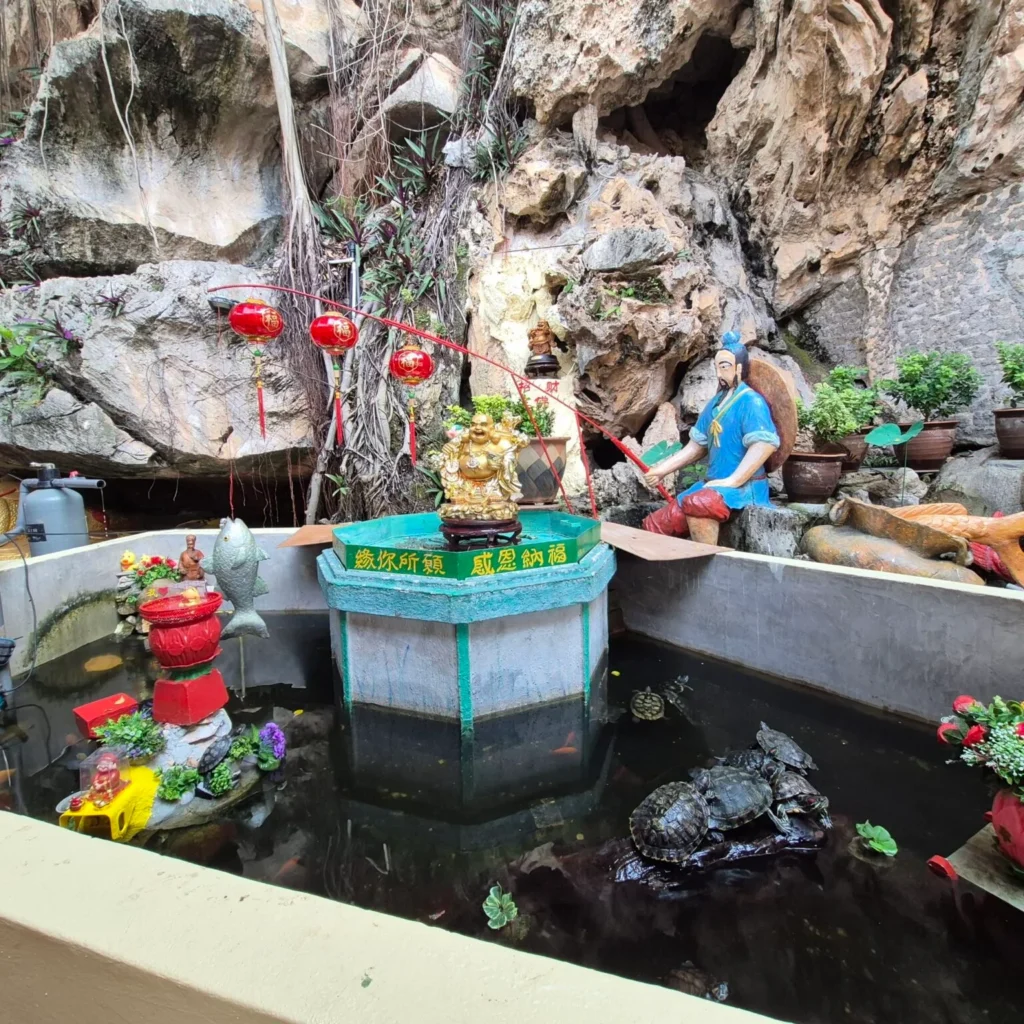
Ipoh’s cave temples aren’t just places of worship. They’re pieces of the landscape, shaped by time and devotion, tucked into cliffs.
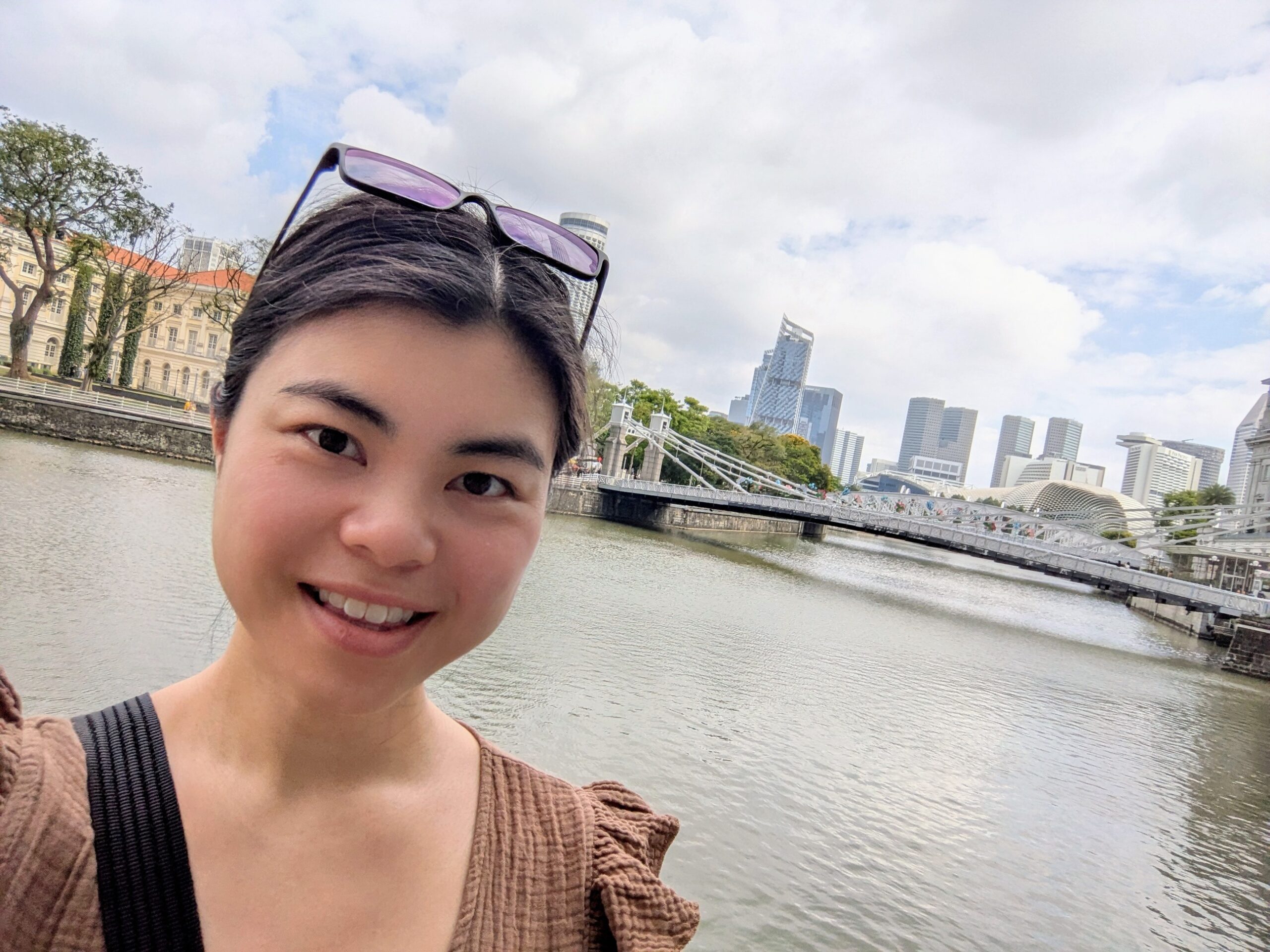
🖋️Writer Spotlight: Mimi
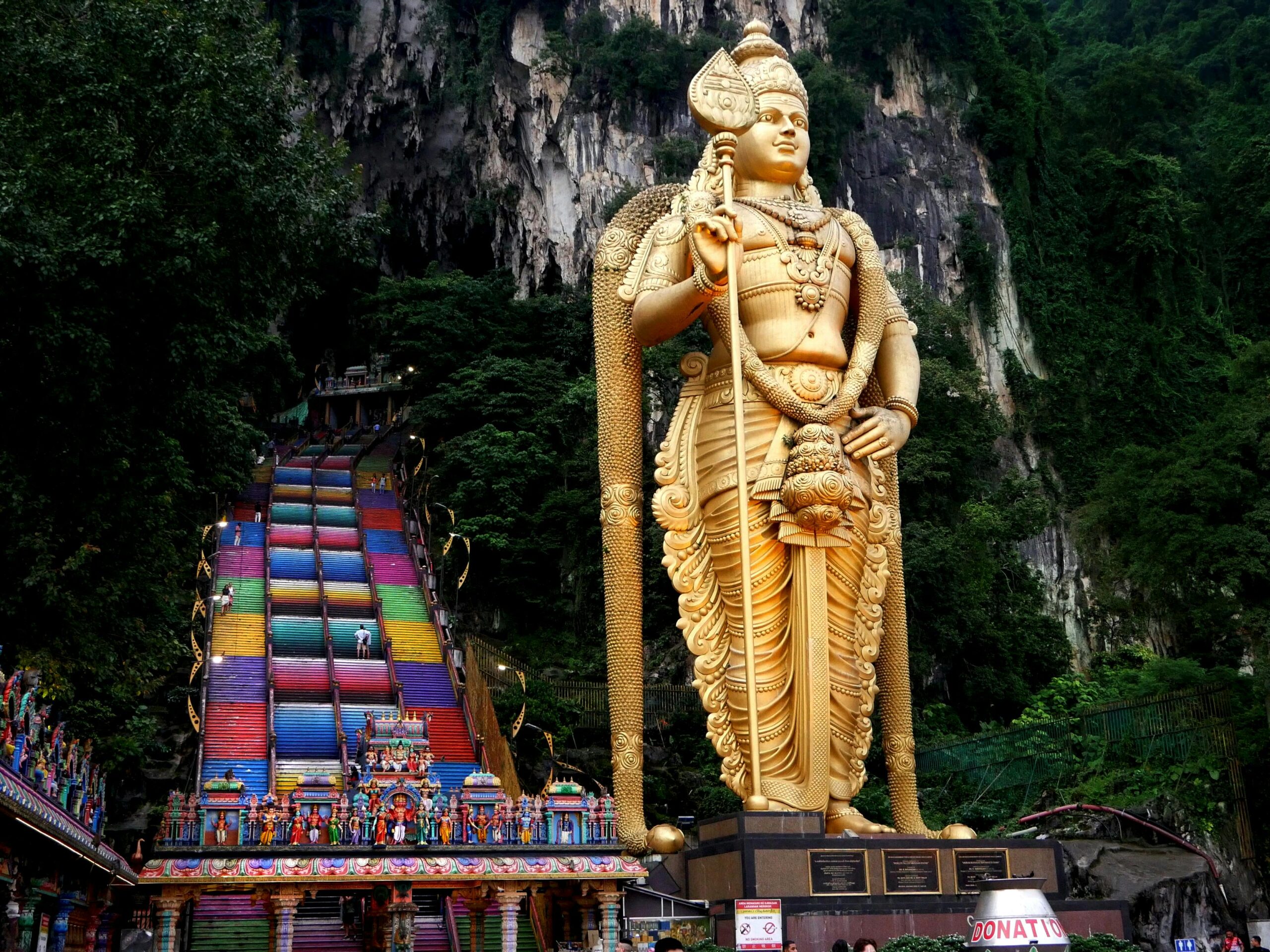
🇲🇾 Malaysia (Feb 2026 Postcard)

🇲🇾🖊️Postcard with Mimi: 50 Handwritten Cards to Strangers! (New Years Edition) ✍️⭐
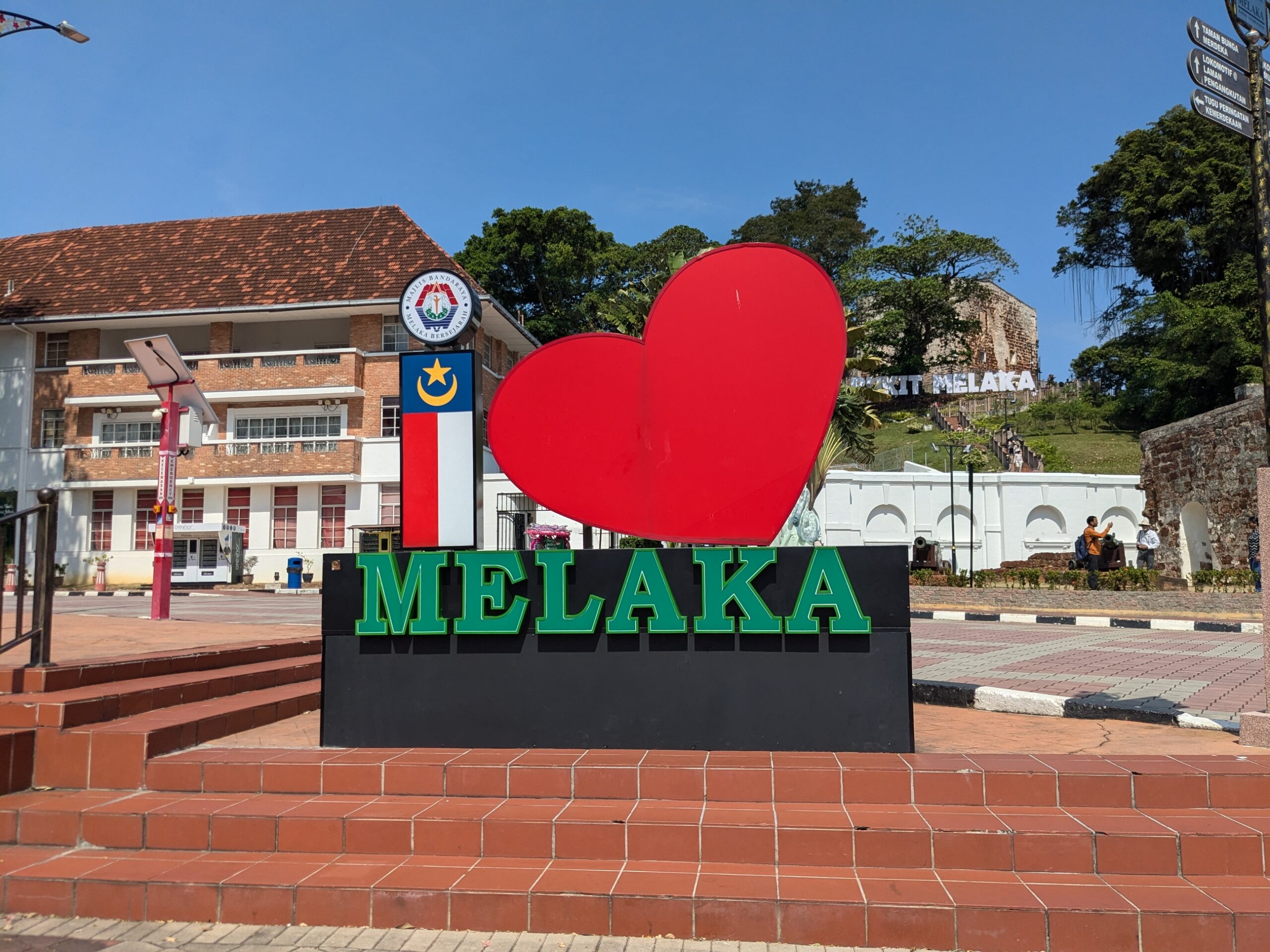
🇲🇾A Visit to Melaka
🇲🇾 Batu Caves: Where Geology, Spirituality, and Culture collide
🇲🇾Discovering Nonya Culture in Malaysia