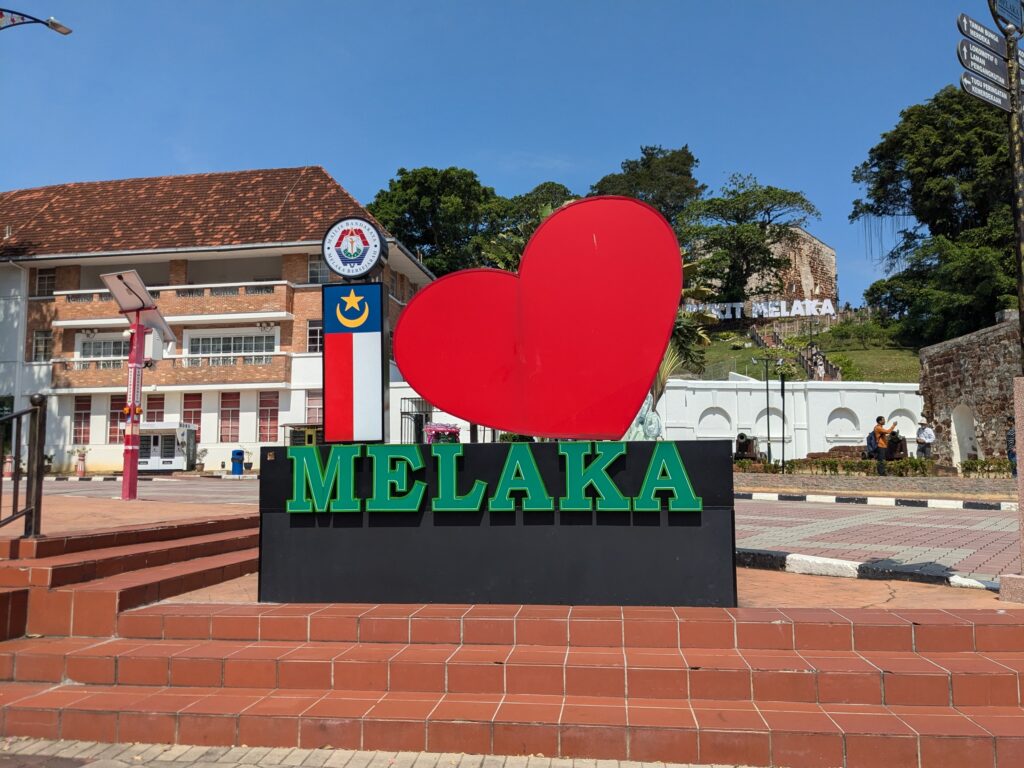
This little coastal city is a UNESCO World Heritage Site, and exploring it feels like stepping into a living storybook – one that reveals not just the city’s past, but the story of Malaysia itself.
A Little Look at Melaka’s Past
Melaka was perfectly positioned along one of the world’s busiest ancient trade routes, the Strait of Malacca. Ships from China, India, the Middle East, and later Europe passed through constantly. That meant spices, silk, ideas, languages, and cultures all flowed into this small port city.
A quick timeline:
- 1400s: Melaka becomes a powerful Malay sultanate and a major trading hub.
- 1511: The Portuguese arrive and take over, building forts and bringing European influence.
- 1641: The Dutch defeat the Portuguese and rule for nearly 200 years.
- 1824: The British take control, adding yet another layer to Melaka’s identity.
- 1957: Malaysia becomes an independent nation, and Melaka becomes one of its most historic states.
Because of this long, layered history, Melaka today feels like a blend of Asian and European influences – but with its own unique personality.
Melaka Helps Tell the Story of Malaysia
Melaka isn’t just a charming historic town, it’s a window into how Malaysia became the multicultural, multilingual, richly layered nation it is today. In many ways, Melaka is Malaysia in miniature.
A Cultural Crossroads
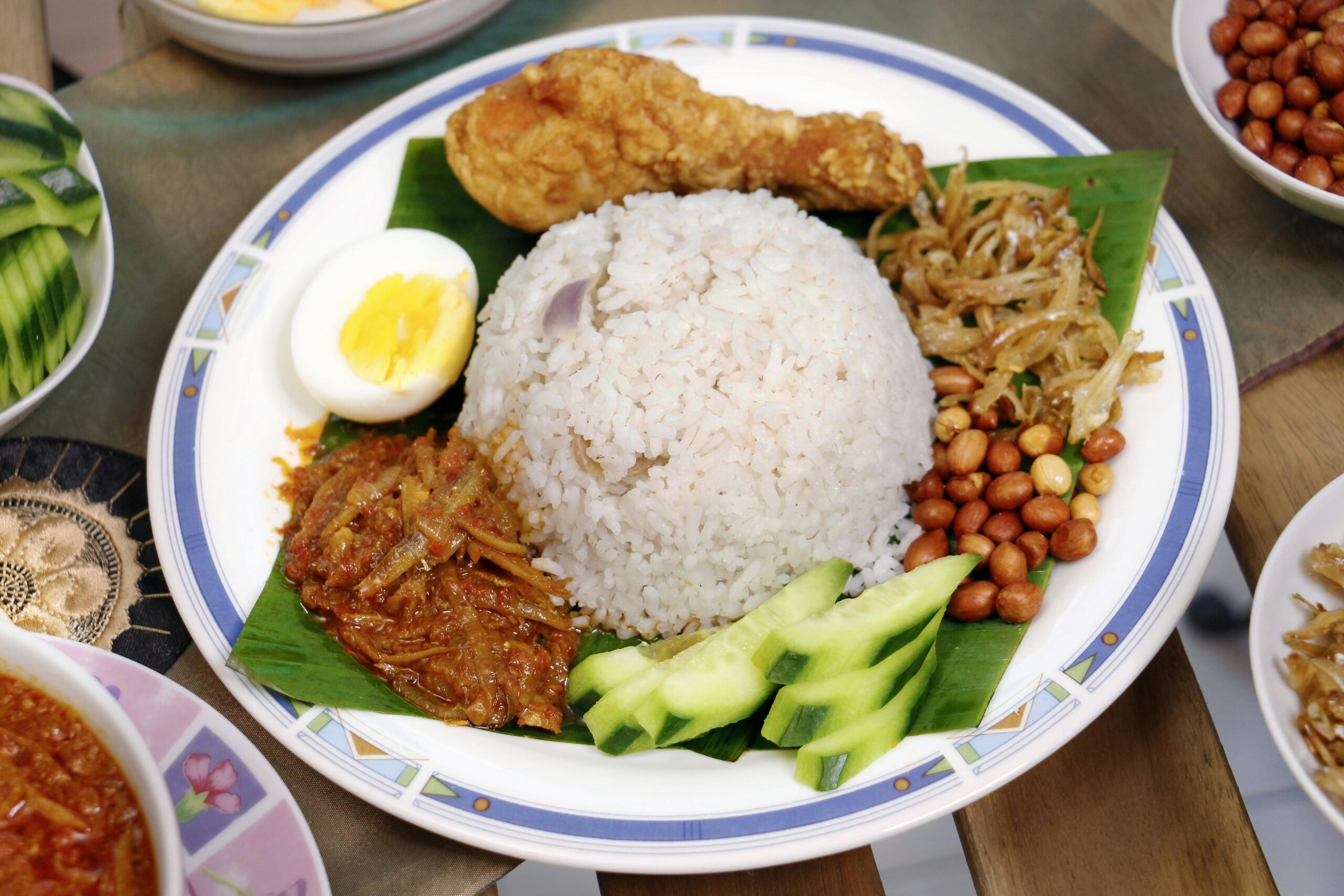
Malaysia is known for its blend of Malay, Chinese, Indian, and Indigenous cultures, with influences from the Middle East and Europe. Melaka is where much of that mixing began. Traders settled here, intermarried, and created new communities — including the Peranakan (Baba-Nyonya), whose traditions and cuisine remain central to Melaka’s identity.
It’s Colonial History
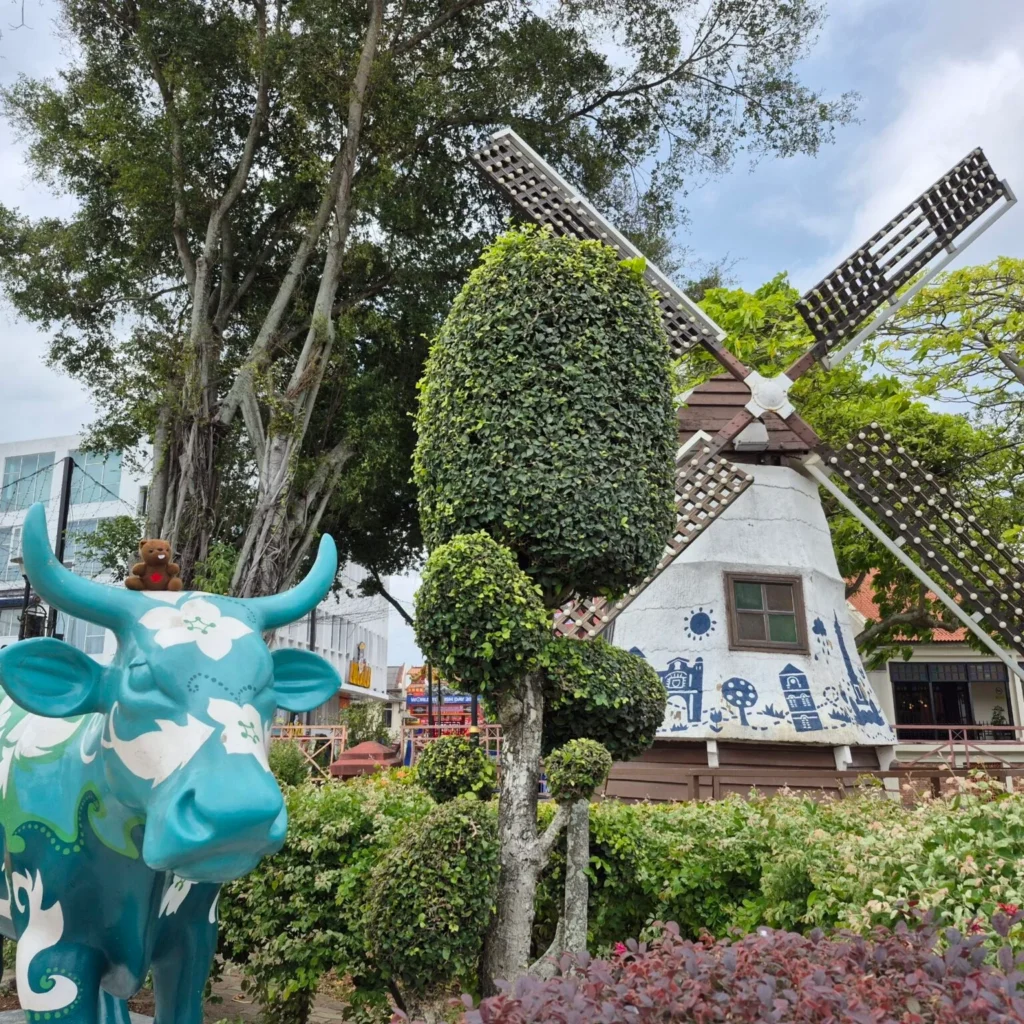
Malaysia’s colonial past can feel abstract until you see it up close. In Melaka, you can walk from a Portuguese fort to a Dutch square to a British-era clock tower in minutes. Each era left behind architecture, laws, and cultural influences that shaped the nation.
Reminder of the Power of Trade
Trade didn’t just bring wealth – it brought people, religions, and ideas. Melaka’s role as a major trading port helps explain why Malaysia today is so diverse, globally connected, and culturally rich.
Heritage Preservation
Modern Malaysia is fast-growing, but it also values its past. Melaka’s UNESCO status reflects the country’s commitment to preserving its multicultural heritage, from architecture to food to festivals.
Malaysian Spirit
In one small city, you’ll find mosques, temples, and churches side by side; Malay, Chinese, Indian, and Eurasian influences; and food that blends traditions from across continents. Melaka captures the warmth, diversity, and layered identity that define Malaysia today.
What Makes Melaka So Fun to Explore
Jonker Street
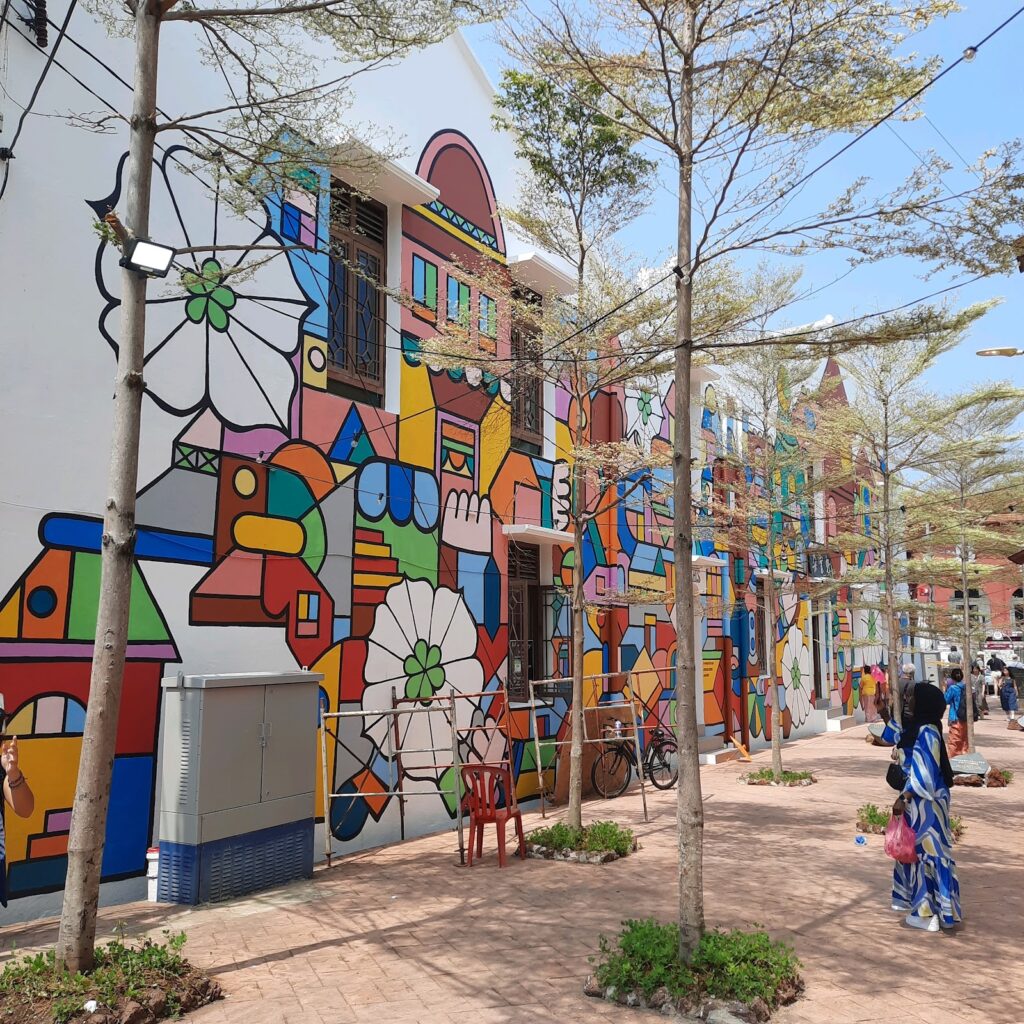
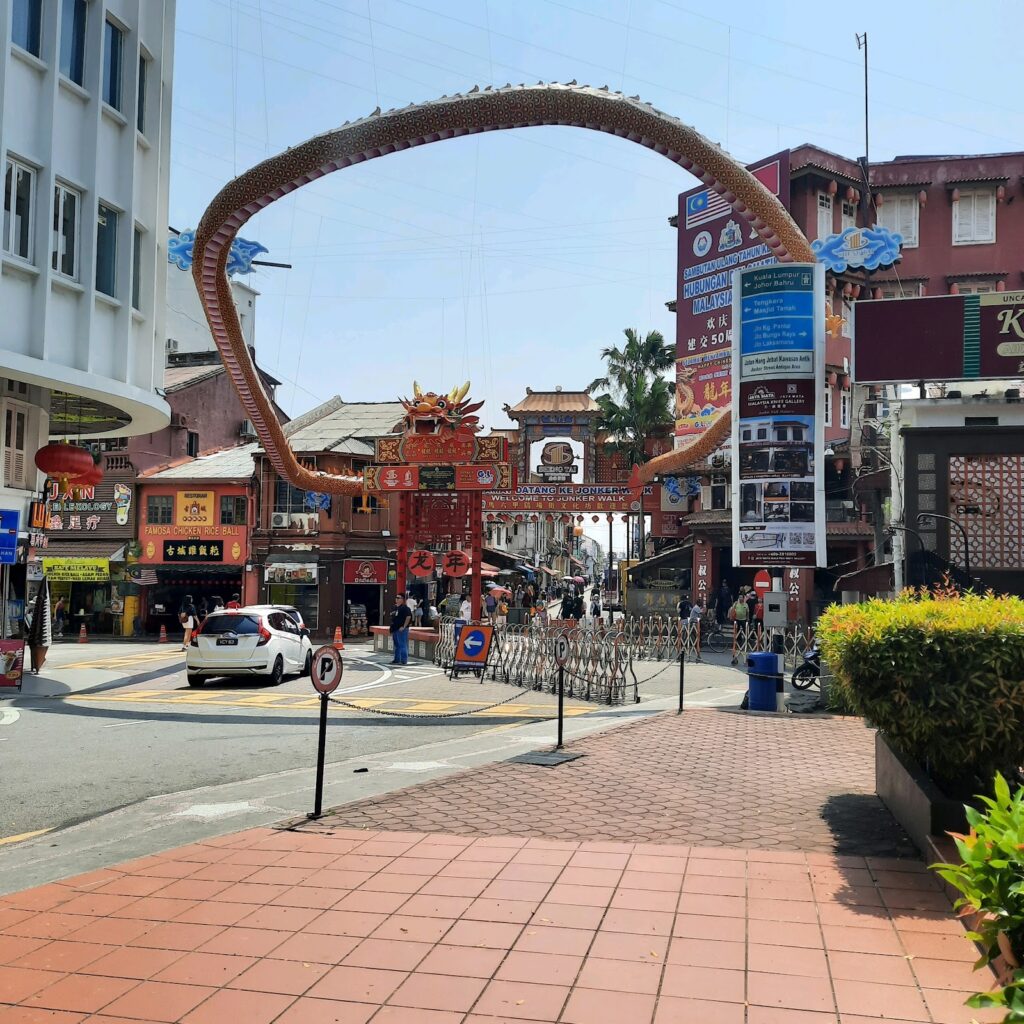
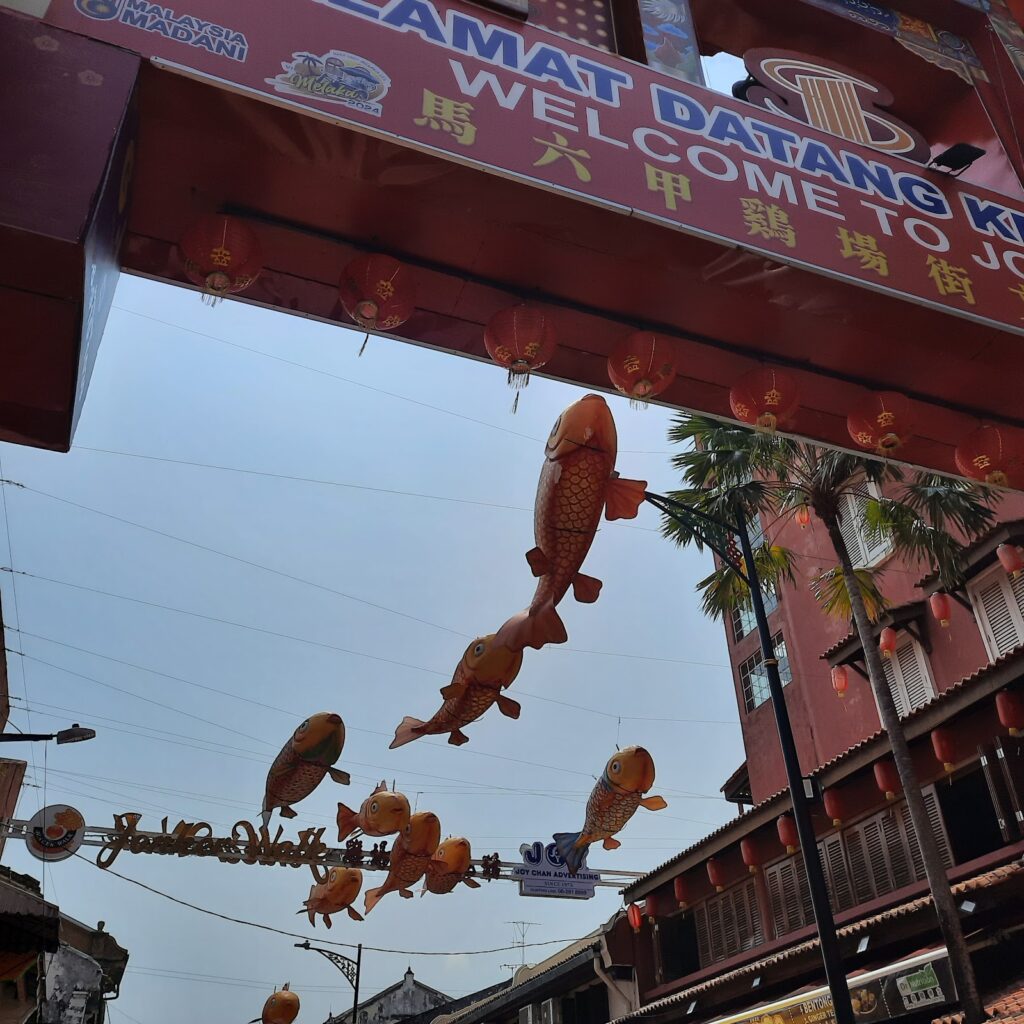
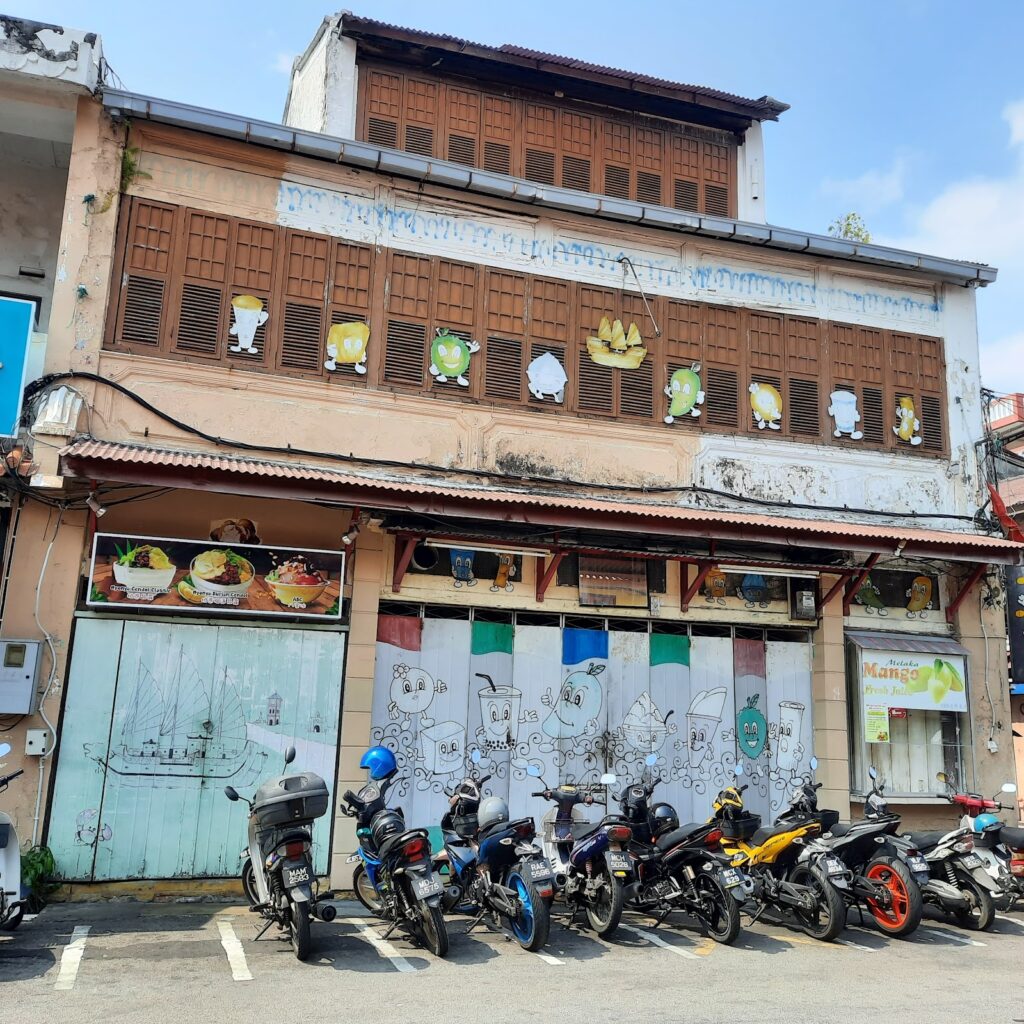
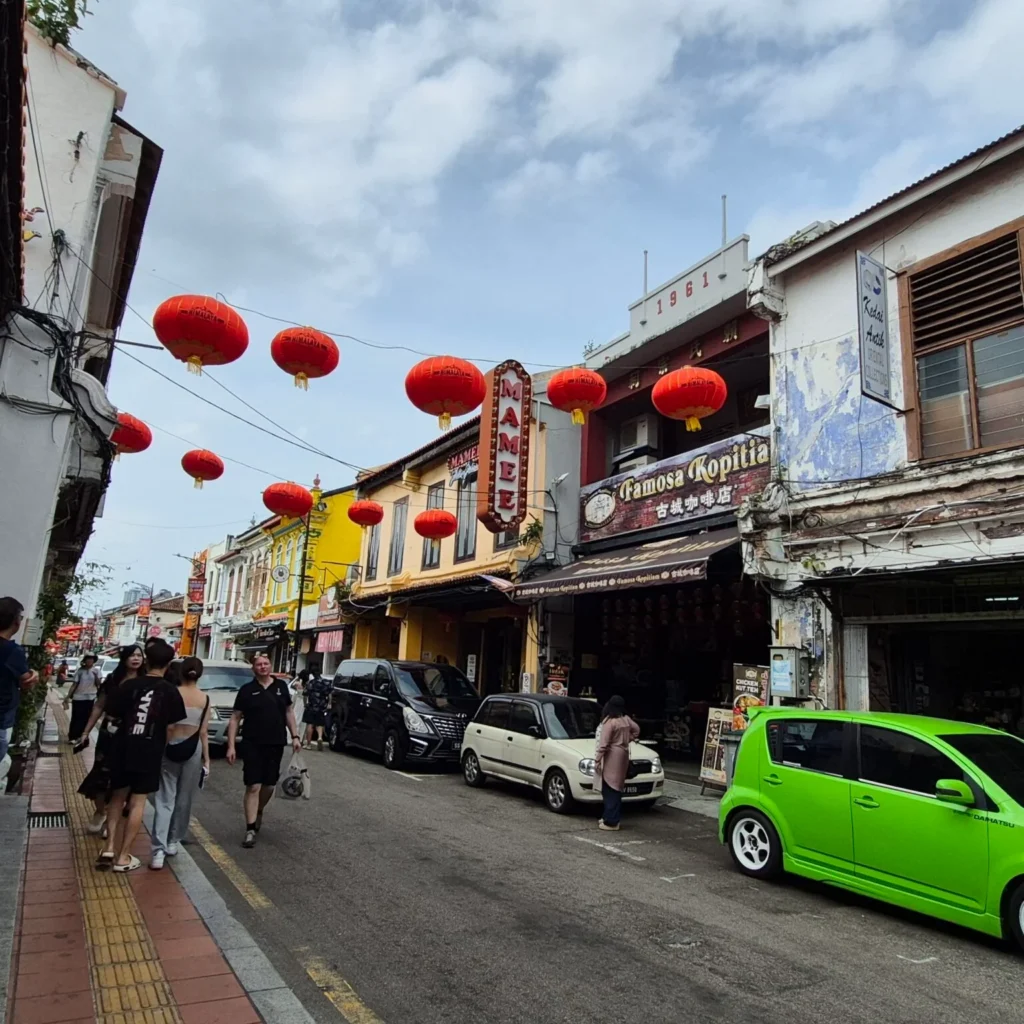
This lively street in Melaka’s Chinatown is famous for its weekend night market. Picture rows of food stalls, music, handmade crafts, and the smell of grilled satay drifting through the air. It’s energetic, colorful, and a great place to try local snacks.
A Famosa
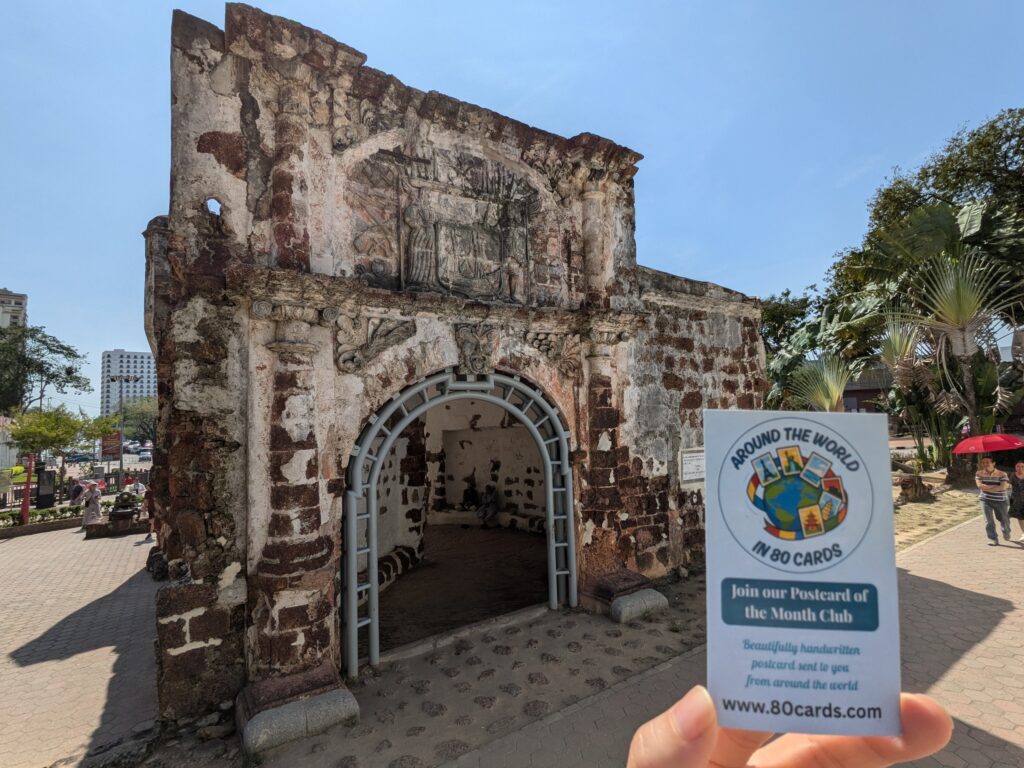
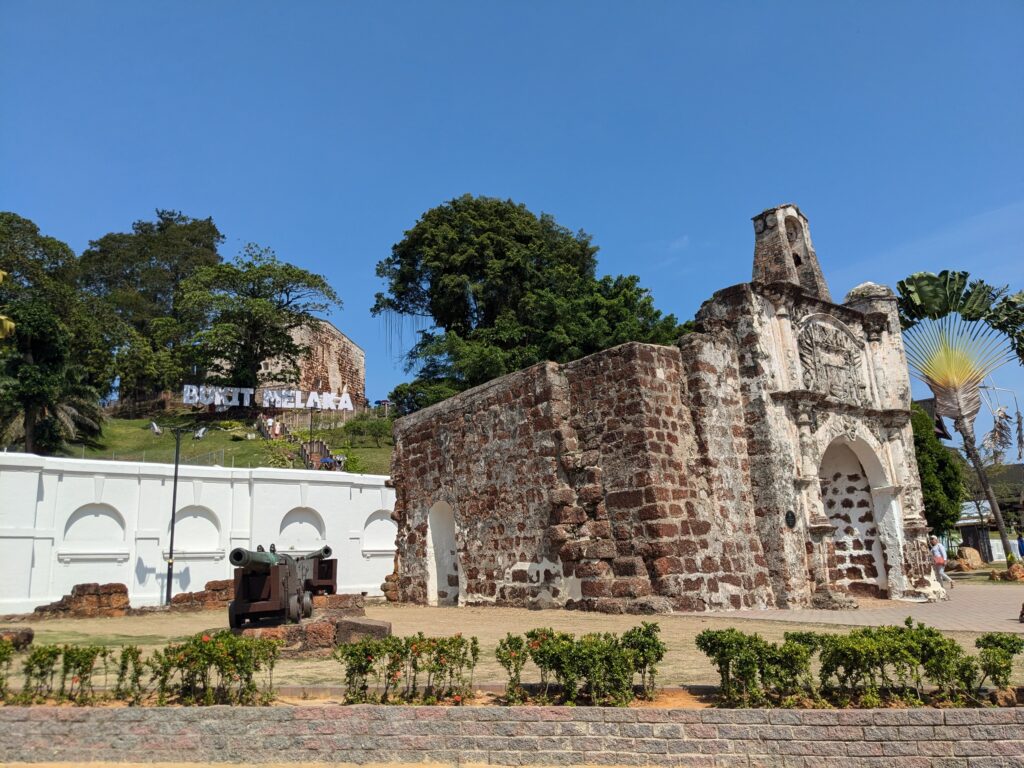
Built by the Portuguese in the early 1500s, A Famosa is one of the oldest European structures in Asia. Only a small gate remains, but it’s a striking reminder of how global Melaka’s history really is.
St. Paul’s Hill
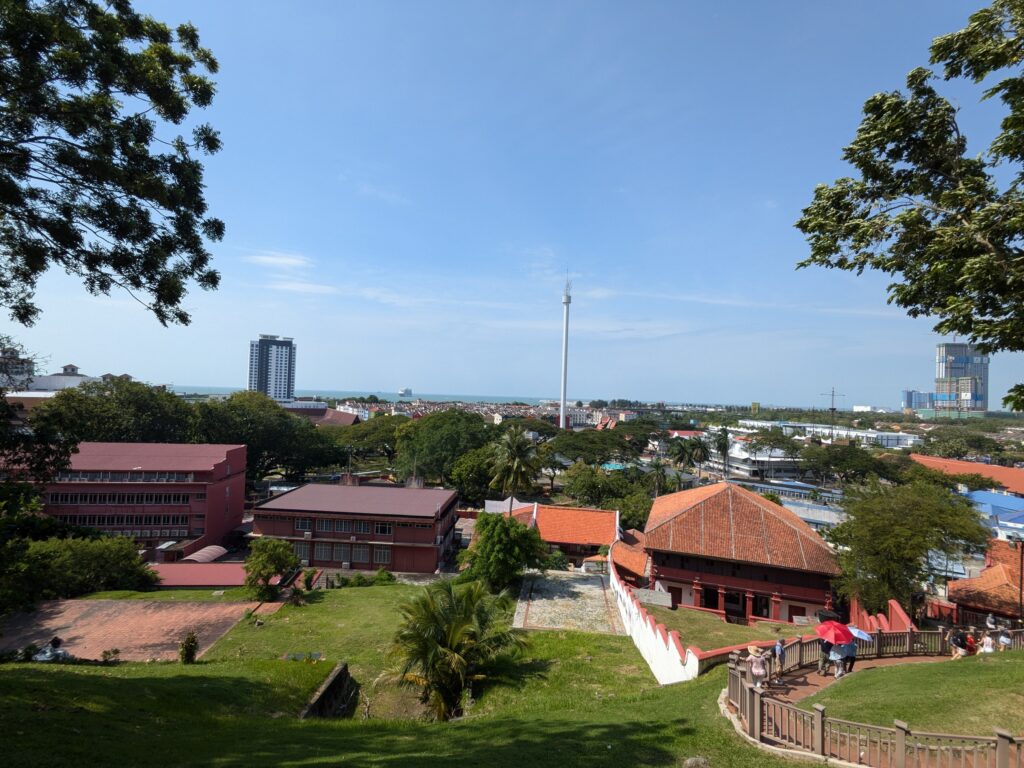
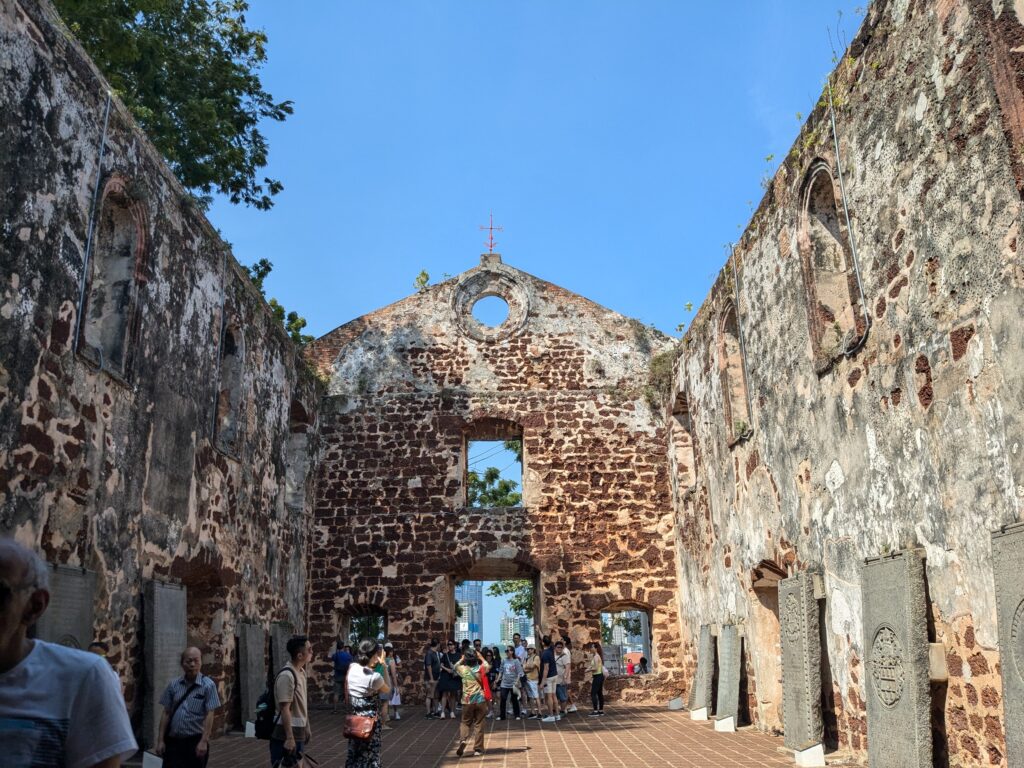
A short climb takes you to the ruins of St. Paul’s Church, originally built by the Portuguese and later used by the Dutch. The view from the top is breezy and beautiful, and the old stone walls make it feel like you’ve stepped back in time.
The Stadthuys
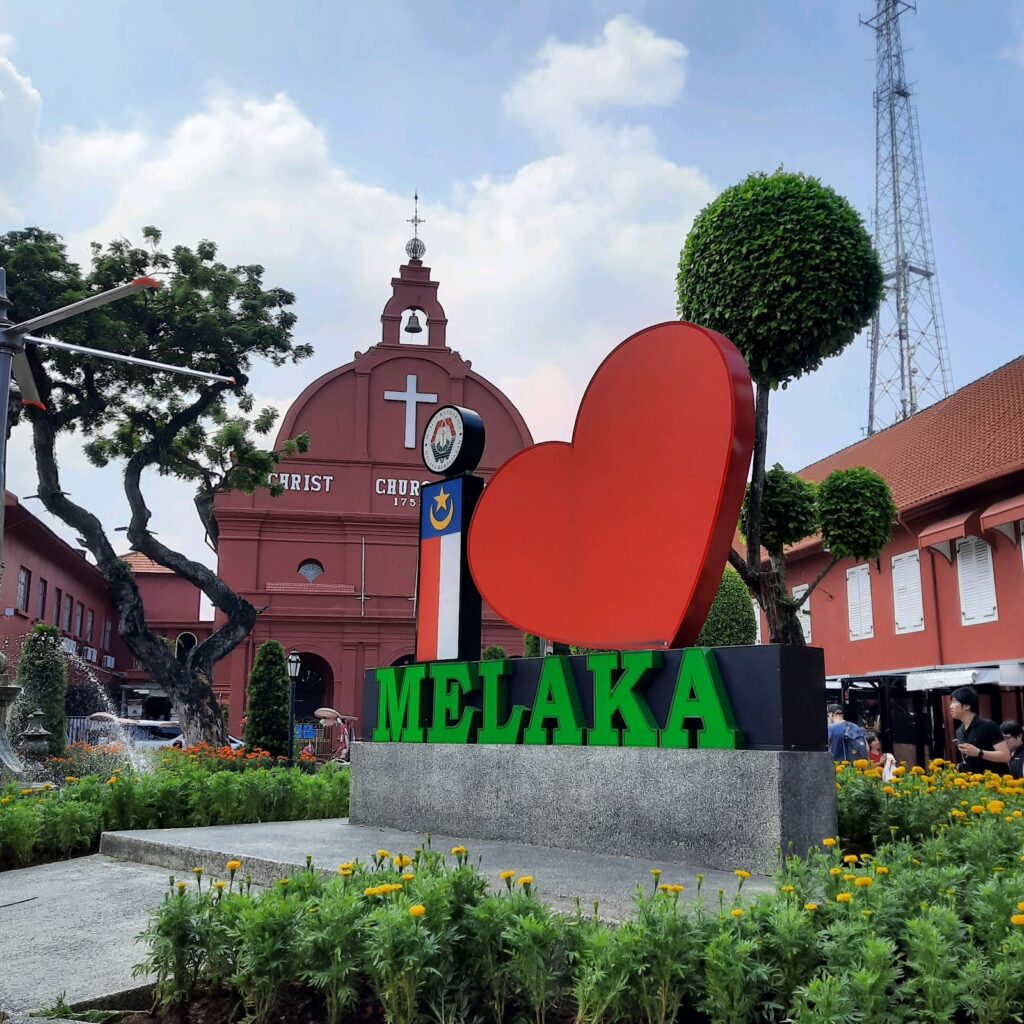
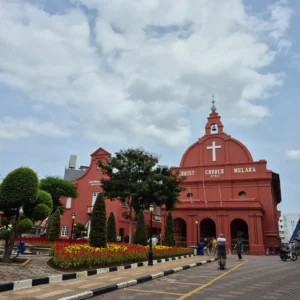
This bright red building is one of Melaka’s most recognizable landmarks. Built during the Dutch era, it now houses museums that explain the city’s multicultural past in an easy-to-understand way.
Melaka River
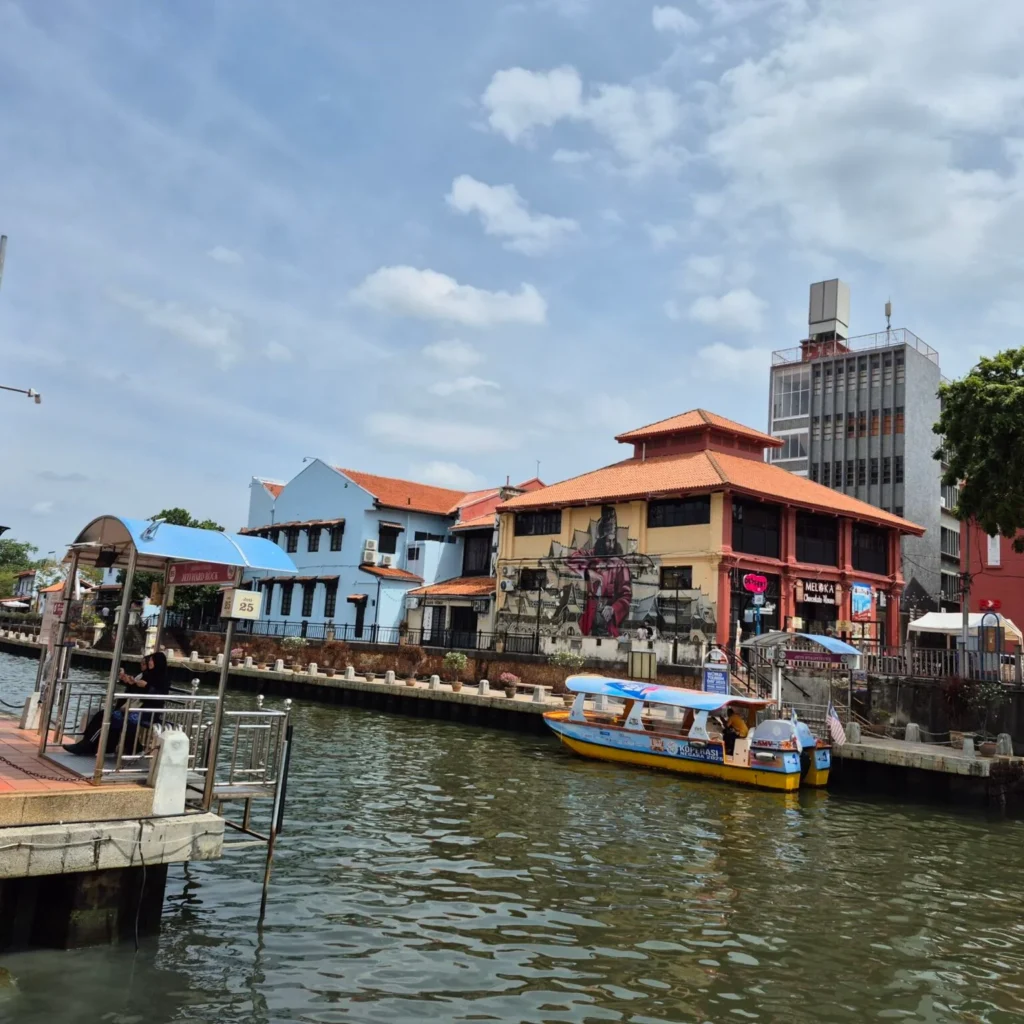
A gentle boat ride along the river gives you a different perspective on the city. You’ll pass colorful murals, old bridges, and riverside cafés — perfect for relaxing after a day of exploring.
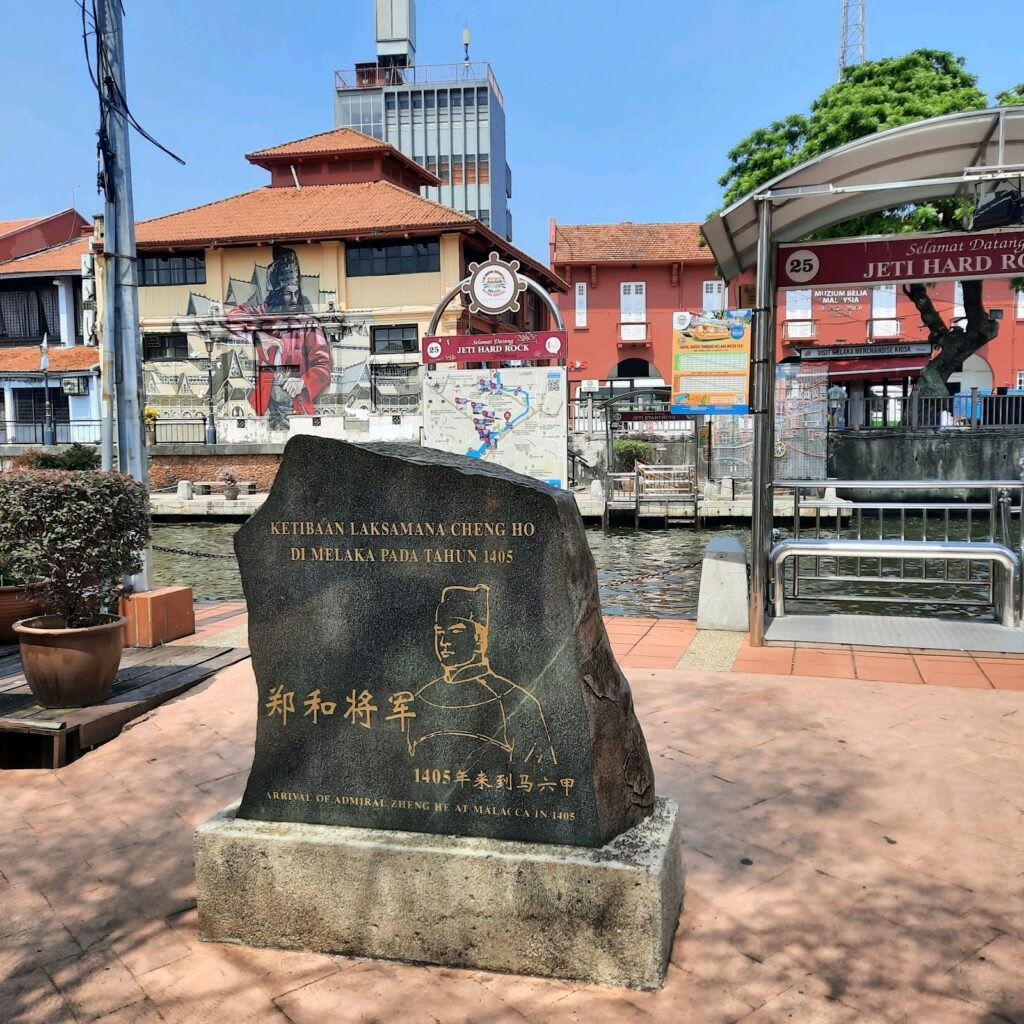
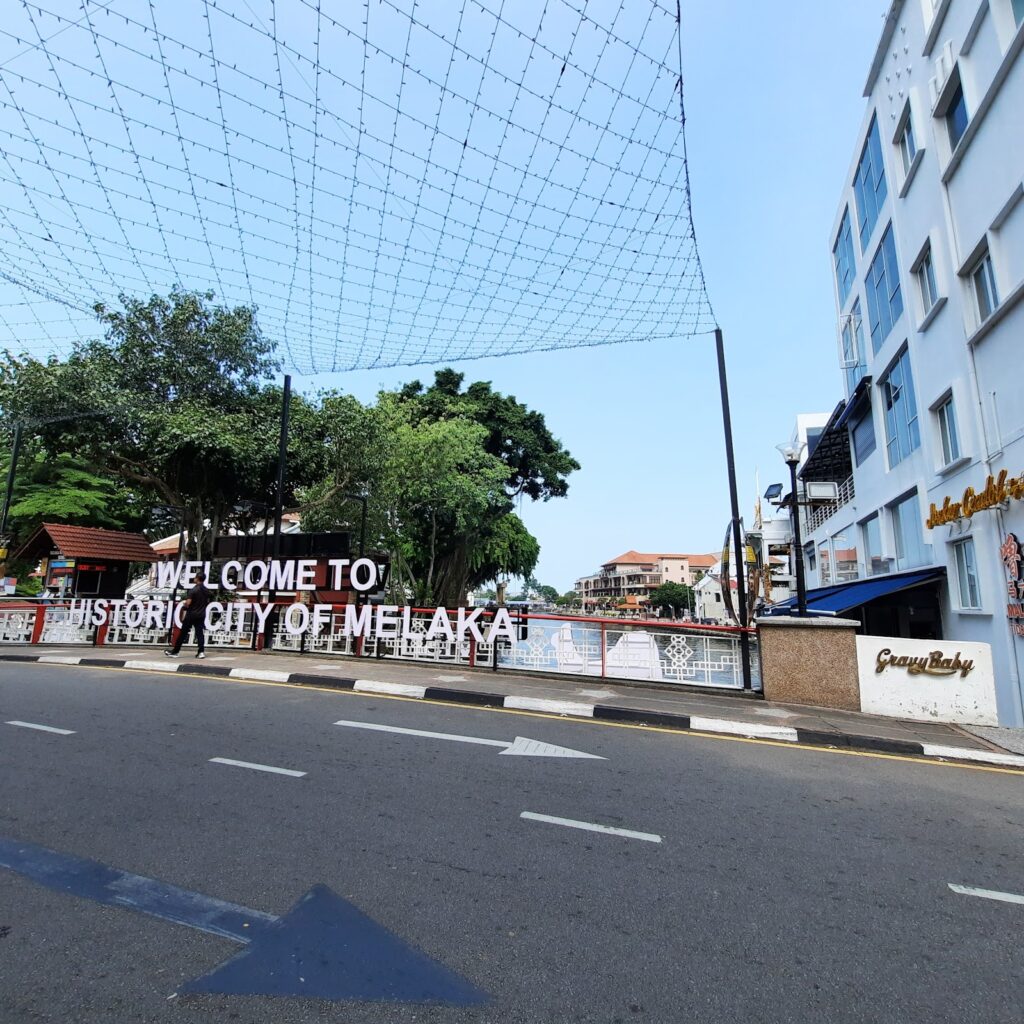
Harmony Street – Where all the faiths come together
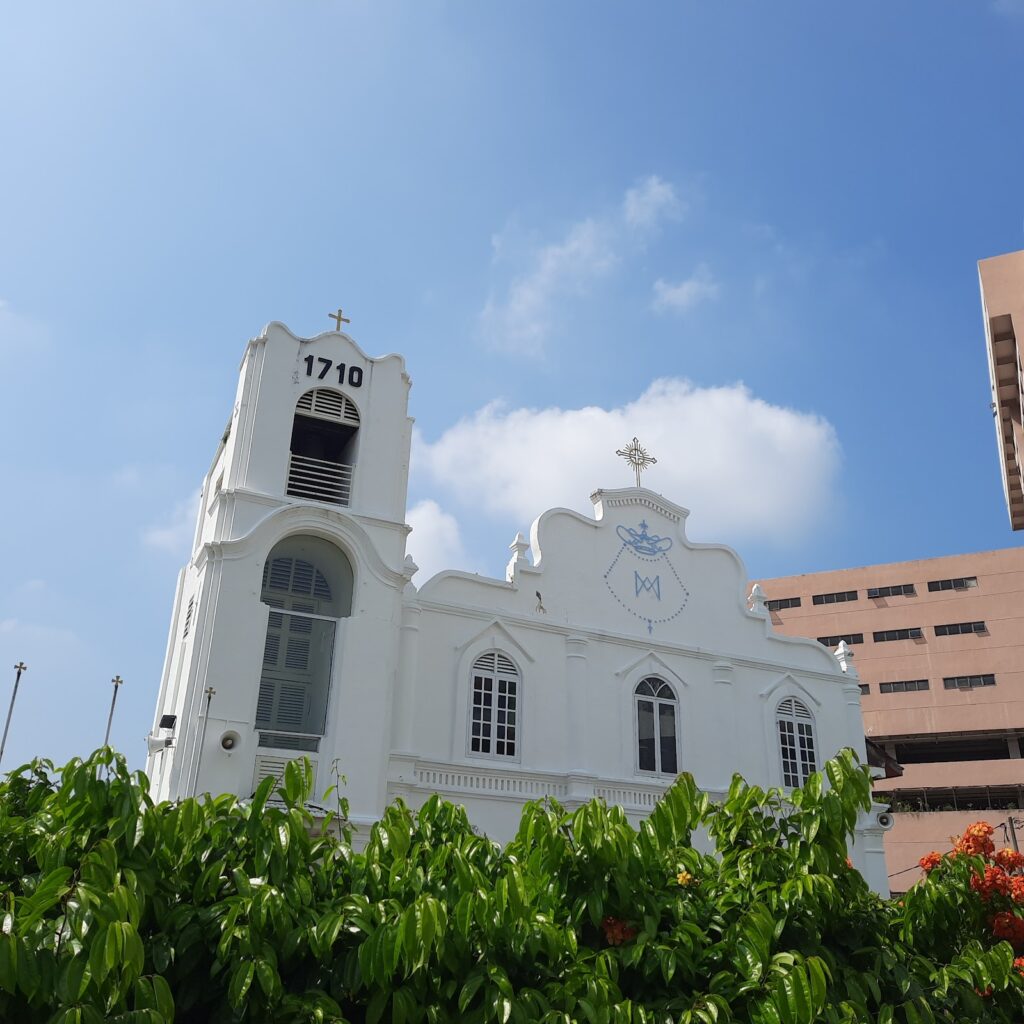
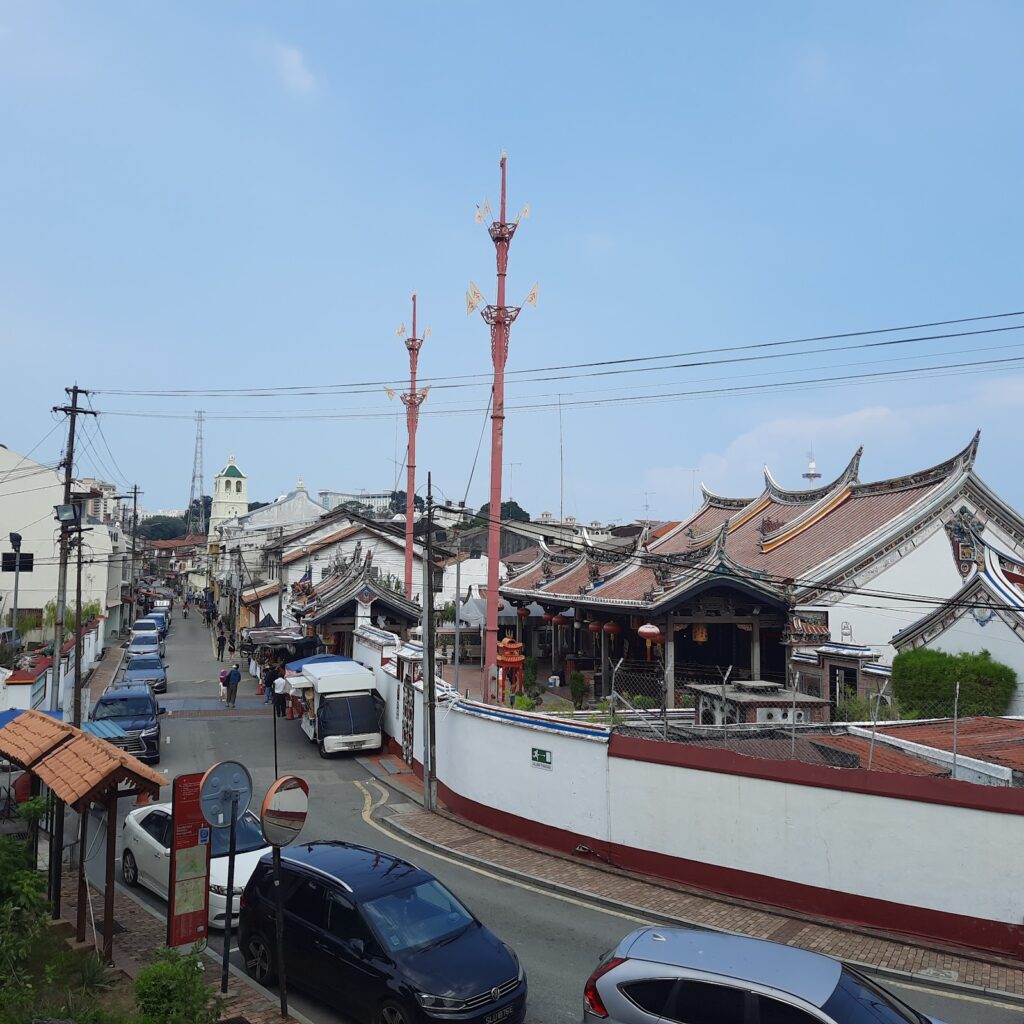
One of the most fascinating parts of Melaka is Harmony Street – officially Jalan Tokong (Temple Street) – where Chinese, Buddhist and Hindu temples, a mosque, and a church sit just steps apart all on the same street. It’s not a coincidence; it’s a reflection of how different communities lived side by side for centuries.
Why Are All These Religious Buildings on One Street?
When Melaka was a thriving trading port, different communities settled in distinct but neighboring areas. Instead of separating themselves, they built their places of worship close to where they lived and worked. Over time, these communities grew together, not apart.
This wasn’t planned as a “multicultural showcase” – it simply grew naturally from daily life. People of different backgrounds lived, traded, and worshipped side by side, and the street still reflects that harmony today.
Cheng Hoon Teng Temple
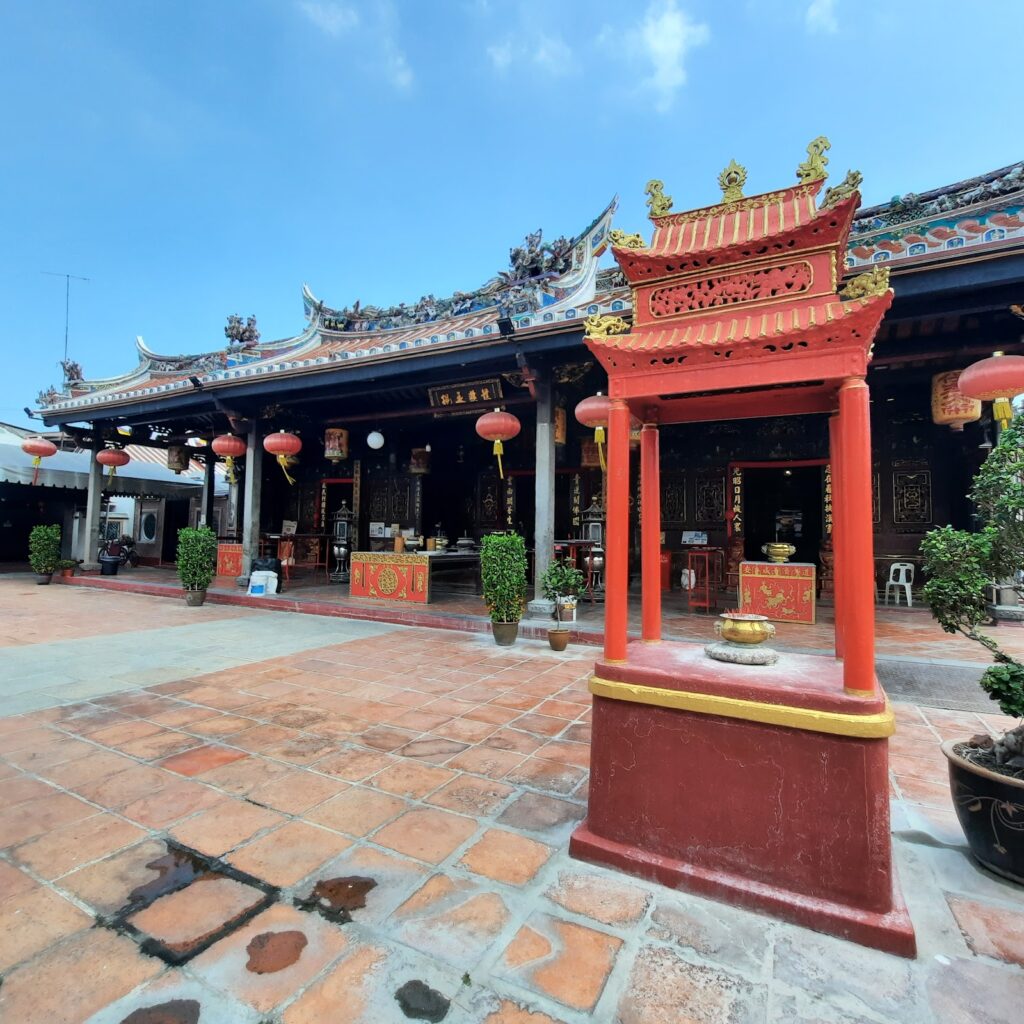
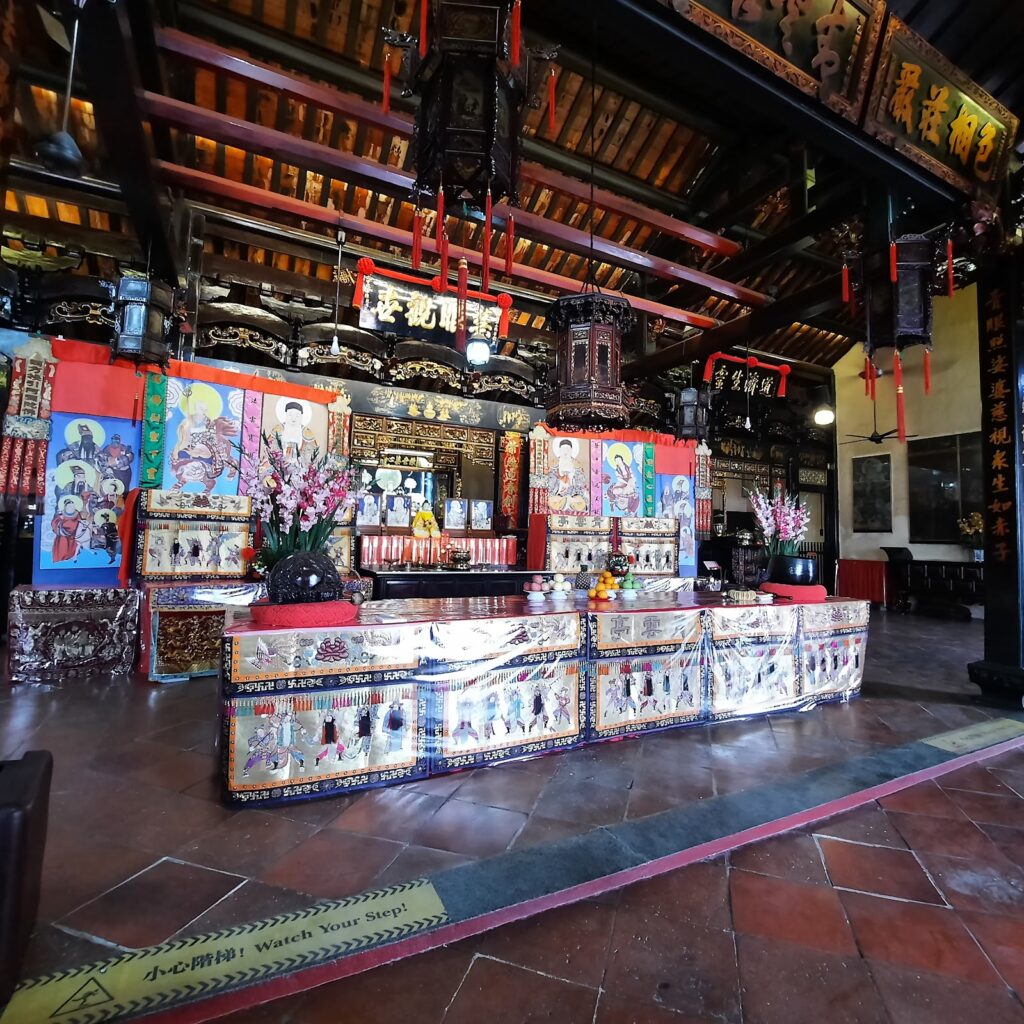
The oldest functioning Chinese temple in Malaysia, founded in the 1600s. It’s dedicated to multiple deities and built entirely using traditional Chinese techniques. Incense, red lanterns, and intricate carvings make it a beautiful and atmospheric stop.
Sri Poyyatha Vinayagar Moorthi Temple
One of the oldest Hindu temples in Malaysia, dedicated to Lord Ganesha. Its bright colors and carved statues reflect South Indian traditions brought by early Indian traders.
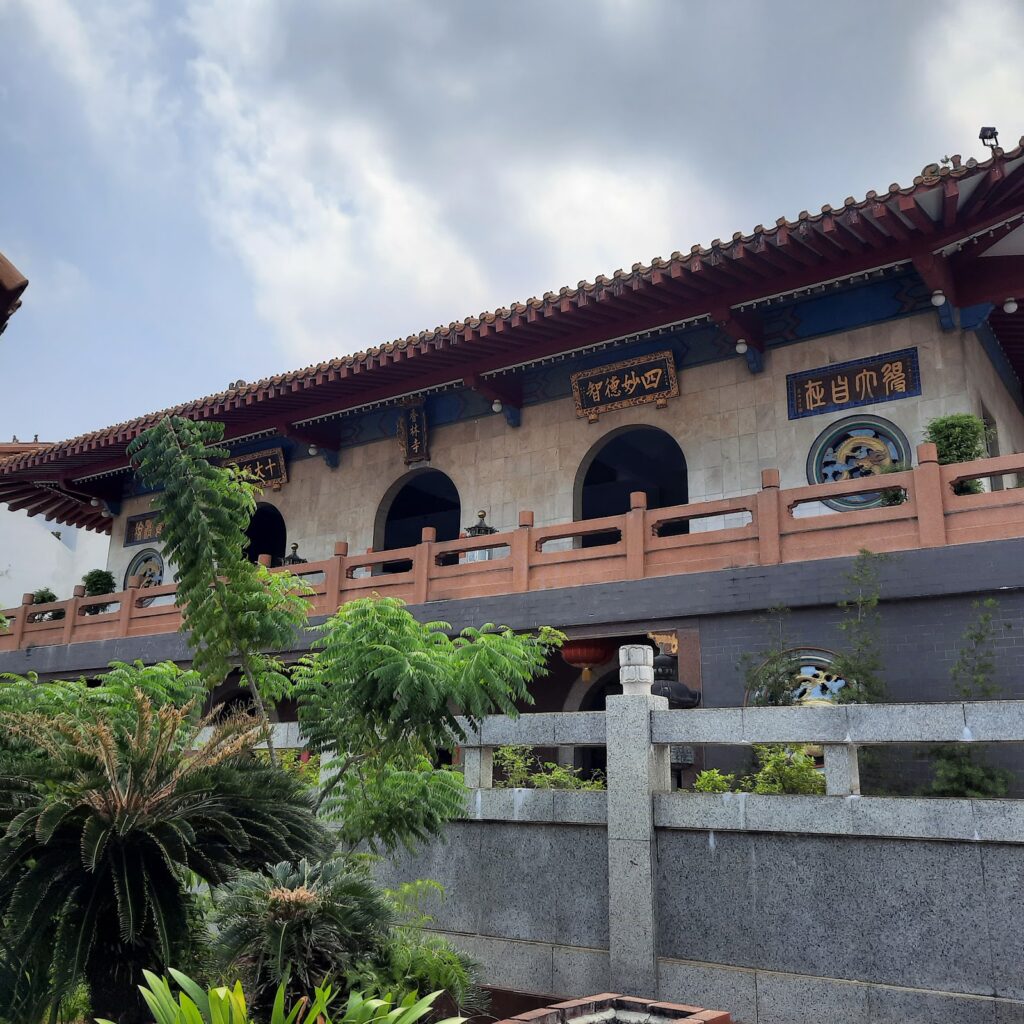
Xiang Lin Si Temple
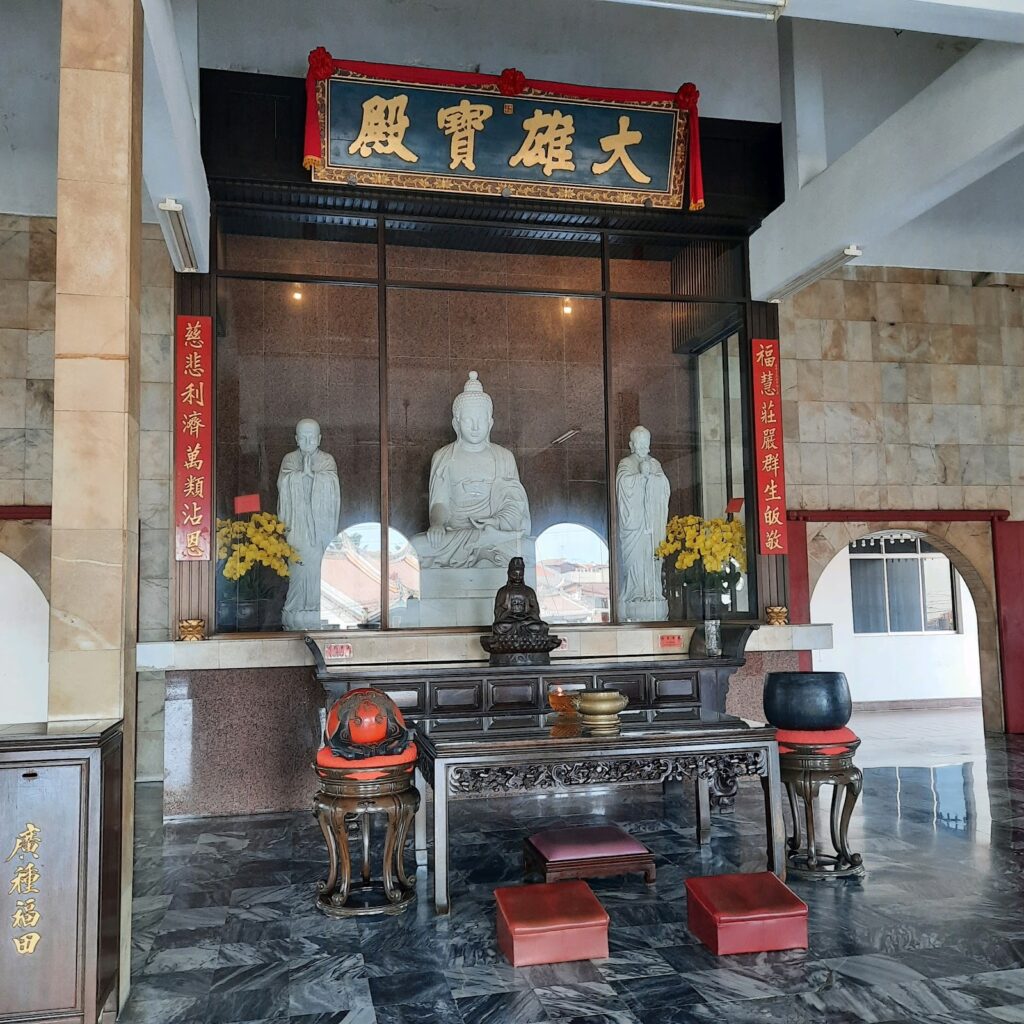
A peaceful Buddhist temple with golden statues and a serene courtyard. It’s a lovely place to pause and take in the quieter side of Melaka’s spiritual life.
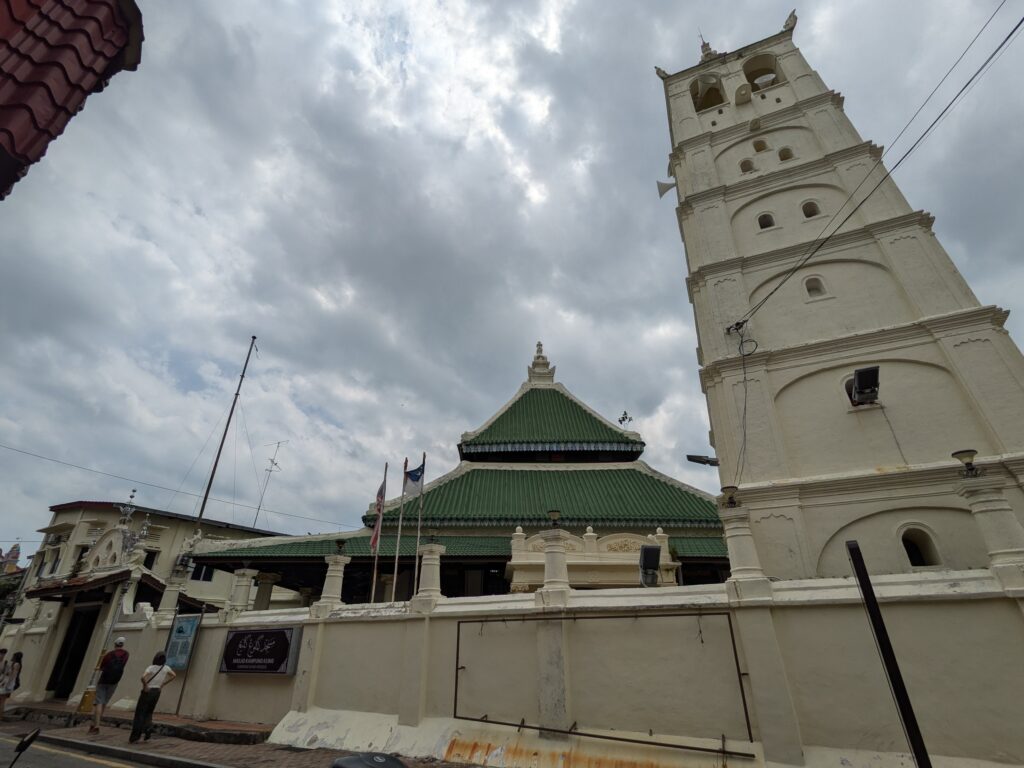
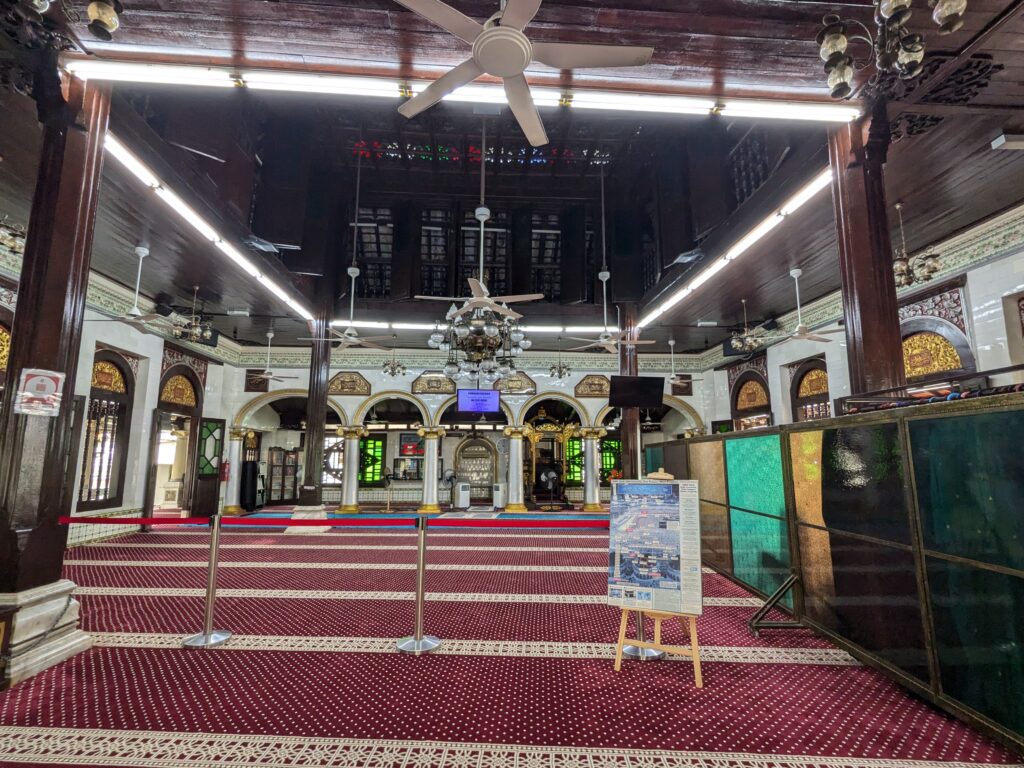
Kampung Kling Mosque
Just a short walk away, this mosque blends Malay, Chinese, and Indian architectural styles — a perfect example of Melaka’s cultural fusion. Its tiered roof and pagoda-like minaret make it stand out from typical Middle Eastern–style mosques.
Christ Church Melaka (nearby)
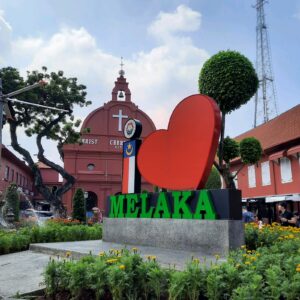
A short stroll from Harmony Street brings you to this iconic Dutch-era church in the Stadthuys square. Its bright red exterior and white cross are instantly recognizable. Built in the 1700s, it’s one of the oldest Protestant churches in Malaysia.
Melaka is the kind of place where you can feel the warmth of a community shaped by hundreds of years of cultural exchange.
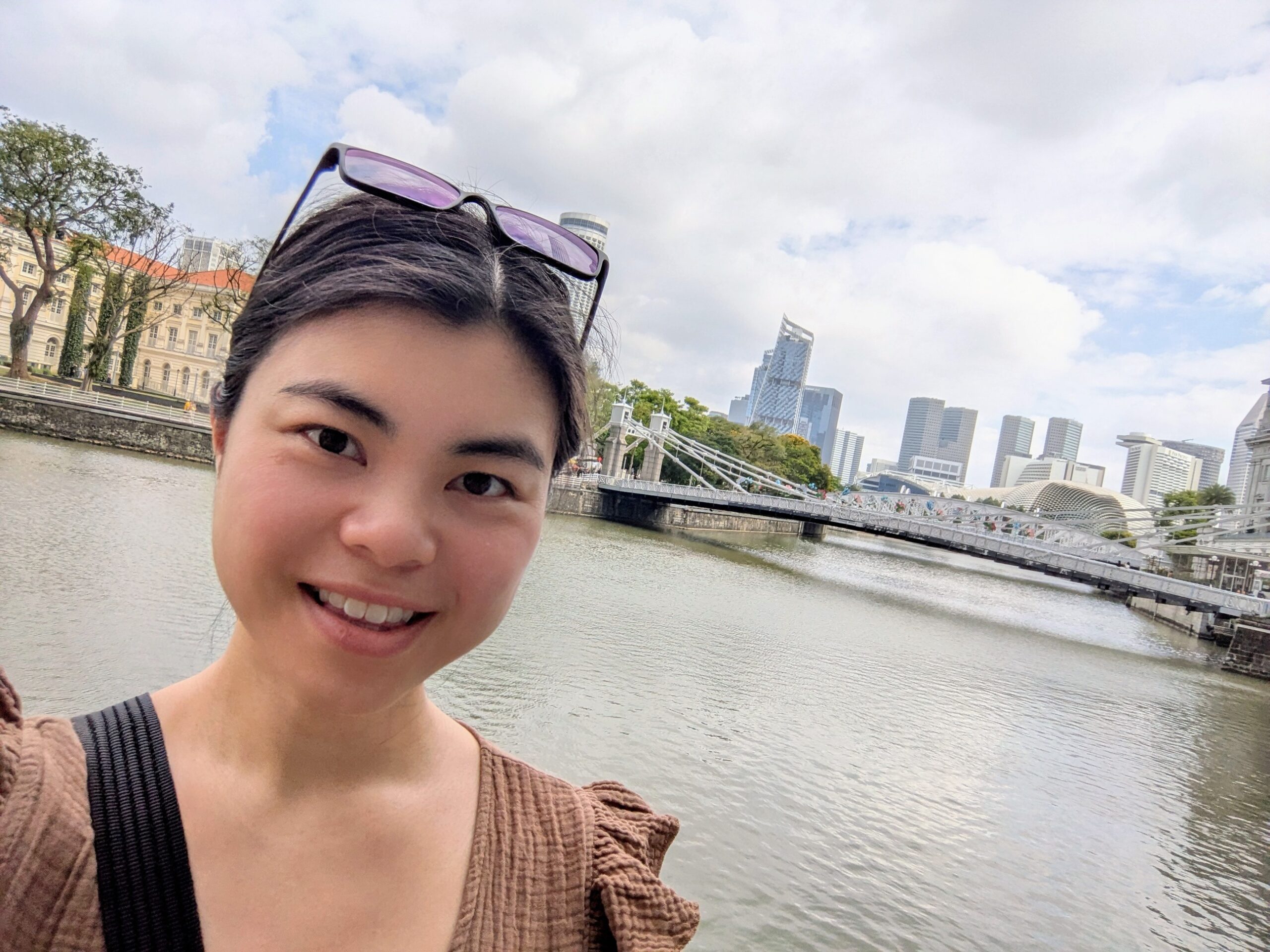
🖋️Writer Spotlight: Mimi
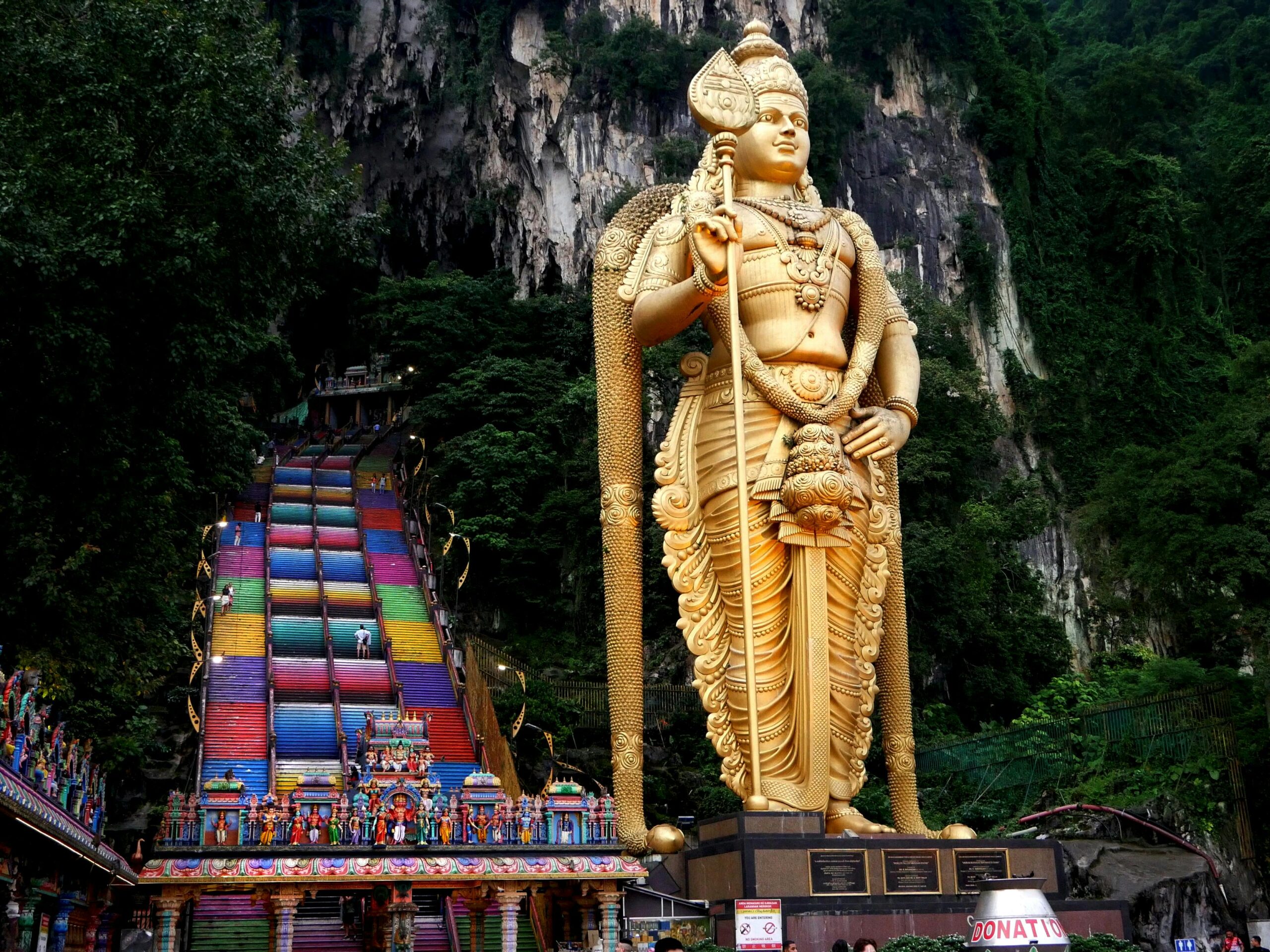
🇲🇾 Malaysia (Feb 2026 Postcard)

🇲🇾🖊️Postcard with Mimi: 50 Handwritten Cards to Strangers! (New Years Edition) ✍️⭐
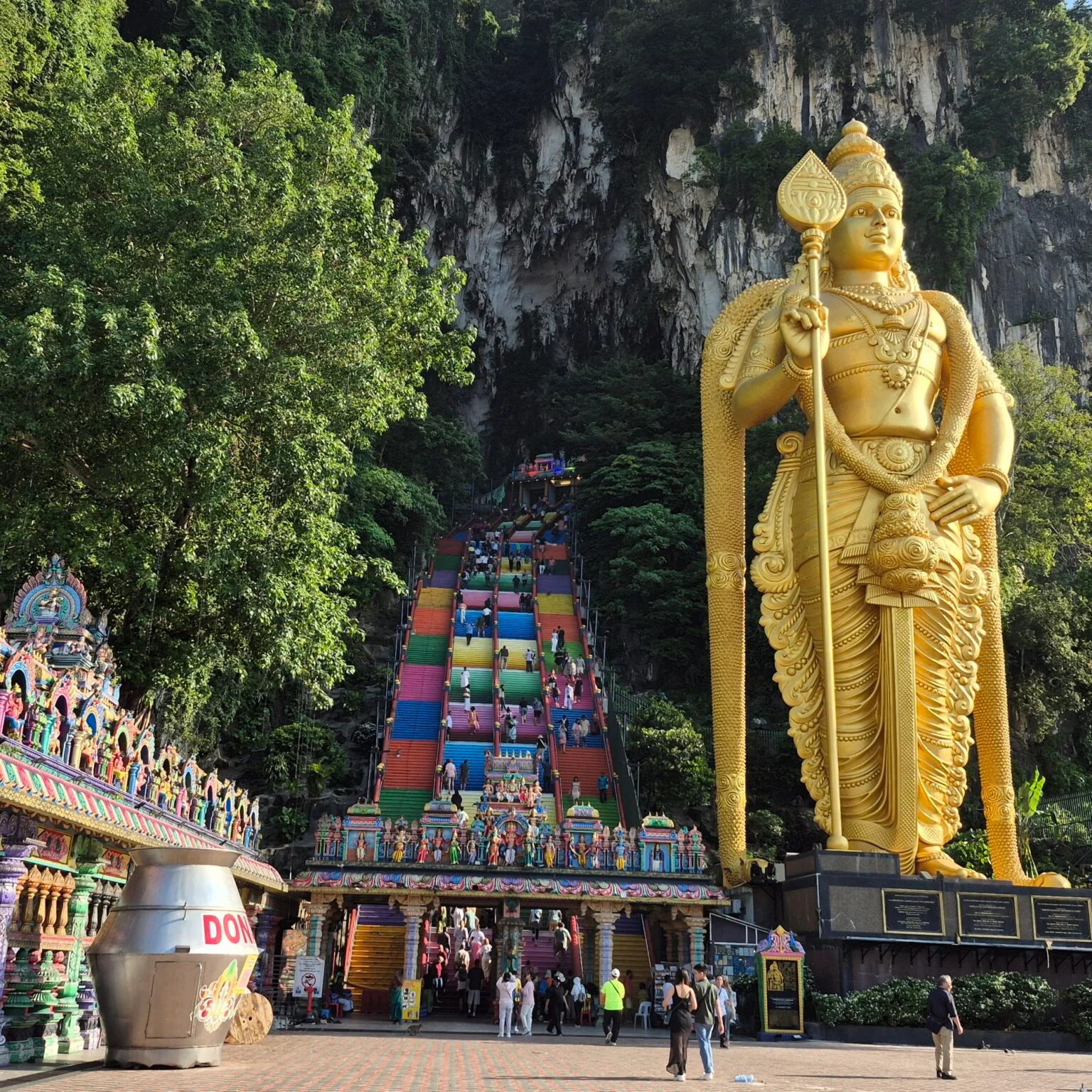
🇲🇾 Batu Caves: Where Geology, Spirituality, and Culture collide
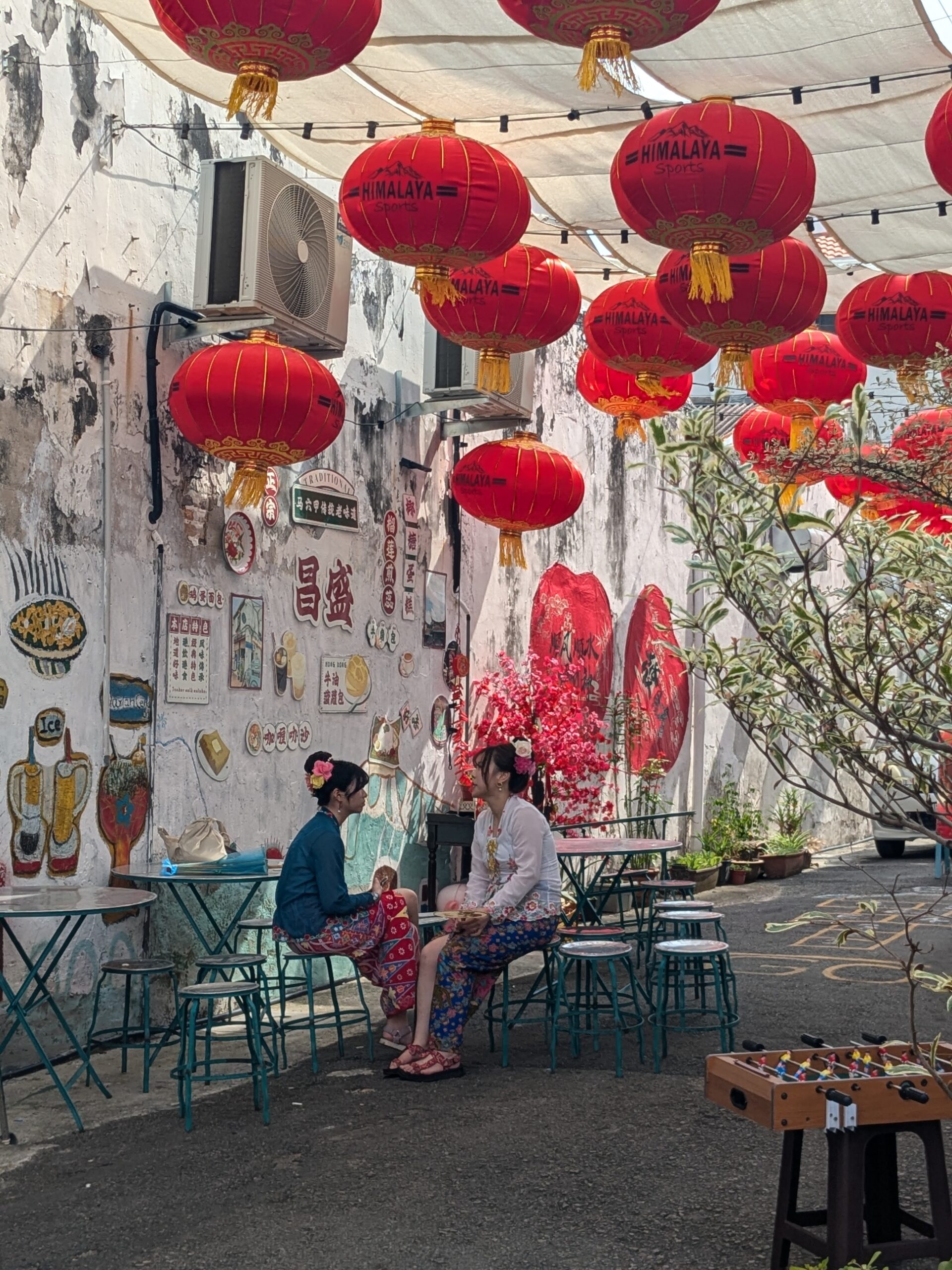
🇲🇾Discovering Nonya Culture in Malaysia
🇲🇾 Ipoh’s Cave Temples: Five Stops You Shouldn’t Miss