Singapore’s history is often reduced to a neat slogan about a fishing village becoming a global city, but the real story is far older, richer, and far more dramatic. Long before the island became a modern metropolis, it was already part of the ebb and flow of Southeast Asian trade, shaped by shifting empires, maritime routes, and the ambitions of rulers who understood the power of its location.
The earliest traces of settlement stretch back to the 2nd century, when the island appeared in ancient records as a small but active trading point. By the 14th century, it was known as Temasek — “Sea Town” — a name that captured its identity as a place where ships, merchants, and cultures converged. For a brief period, it even became the centre of a small Malay kingdom. According to historical accounts, its last ruler, Parameswara, fled after an attack by regional rivals, eventually founding the Sultanate of Malacca. Even after his departure, the island remained a useful outpost under the influence of larger Malay sultanates.
Everything changed in 1819, when Stamford Raffles of the British East India Company arrived and immediately recognised what earlier rulers had also seen: Singapore’s location was a gift. Sitting at the crossroads of major maritime routes, it was the perfect place for a free port. Raffles negotiated with local Malay leaders to establish a British trading post, and from that moment, the island’s modern chapter began. Traders from China, India, the Malay Archipelago, and beyond poured in, drawn by the promise of open trade. Within decades, Singapore had transformed into one of the busiest ports in the region, a bustling, multilingual city where opportunity and hardship lived side by side.
The island’s strategic importance, however, made it vulnerable. During the Second World War, Japanese forces captured Singapore in 1942 after a swift and devastating campaign. The occupation brought fear, scarcity, and suffering, leaving deep scars on the population. When the British returned in 1945, the people’s confidence in colonial rule had been shaken, and the desire for self-determination grew stronger.
The post-war years were marked by political awakening and social change. Singapore gained limited self-government in the 1950s, and by 1959 it had its own elected government. In 1963, the island joined the Federation of Malaysia in hopes of securing economic stability and a stronger future. But the union was short-lived. Political and racial tensions escalated, and in 1965, Singapore separated from Malaysia and became an independent republic — a moment both uncertain and defining.
Independence came with daunting challenges. The island had no natural resources, limited land, and a diverse population still healing from conflict. Yet through careful planning, strong institutions, and a relentless focus on education, industry, and infrastructure, Singapore reinvented itself. In just a few decades, it evolved into a global financial centre, a major port, and a model of urban development admired around the world.
Today, Singapore stands as a testament to resilience and reinvention. Its history is not just a timeline of events but a story of people – migrants, workers, leaders, families – who built a nation from a small island with big ambitions. And those people are still shaping it today.
Modern Singaporeans carry a complicated mix of pride, pressure, and possibility. Many feel deeply connected to the nation’s success; the safety, the efficiency, the sense of order that has become part of daily life. At the same time, there’s a quiet awareness of how fast everything moves, how quickly the city transforms, how much is expected of each generation.
Feelings toward the past are equally layered. The legacy of colonial rule is often viewed with a blend of pragmatism and distance: a recognition that British policies helped shape modern Singapore’s institutions and infrastructure, paired with an understanding of the inequalities and power imbalances that came with colonial control. For many, it’s less about nostalgia or resentment and more about acknowledging a chapter that influenced, but does not define, who they are today.
Singapore’s past continues to shape its identity: pragmatic, diverse, forward‑looking, and always ready to adapt. Its people, past and present, are the thread that ties all those eras together, carrying the island’s story forward one generation at a time.

🖊️Writer Spotlight: Amy
🇸🇬Singapore (Jan 2026 Postcard)
🇸🇬🍜A Love Letter to Hawker Culture in Singapore
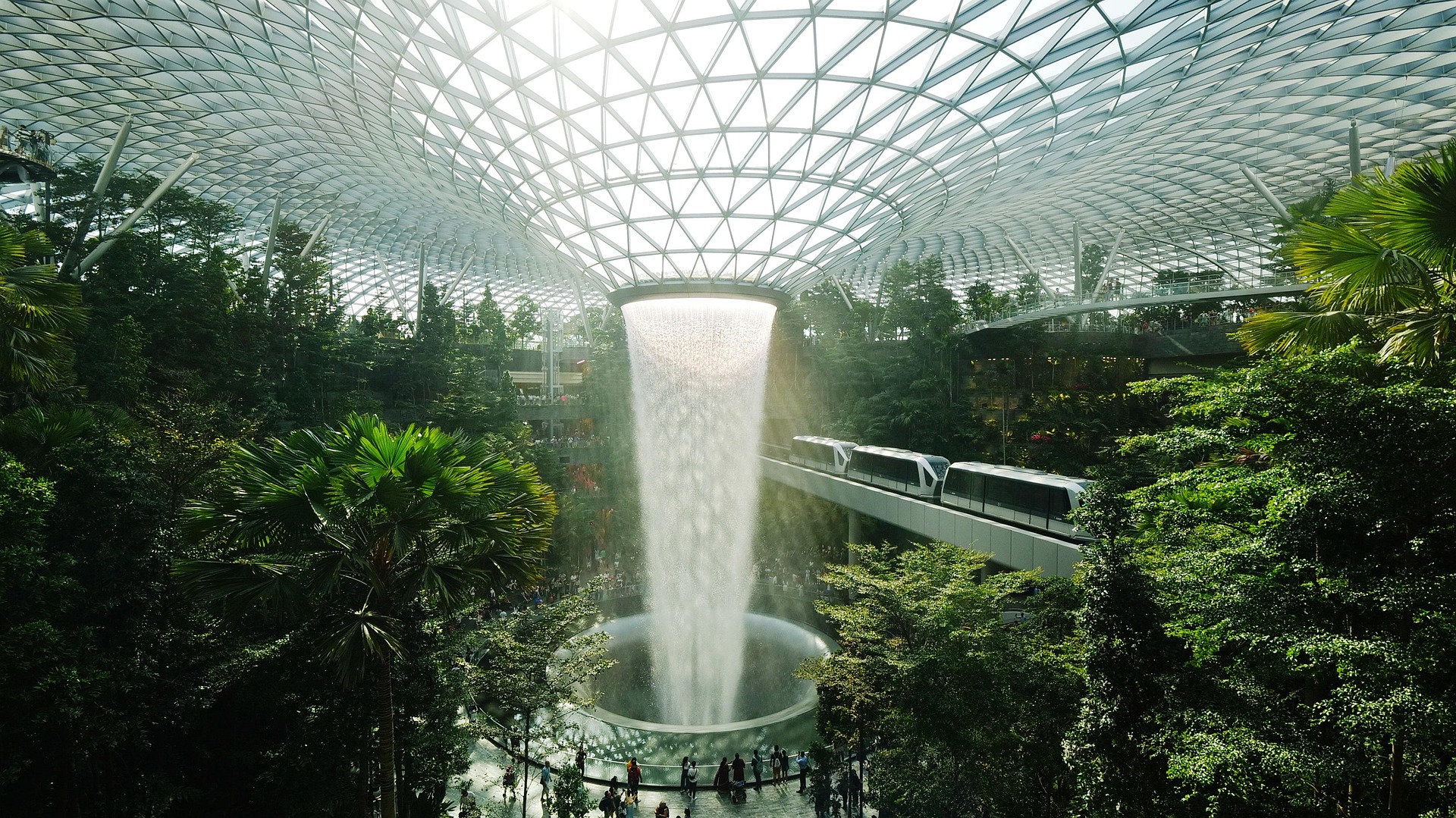
🇸🇬✈️ Changi – The Best Airport in the World?
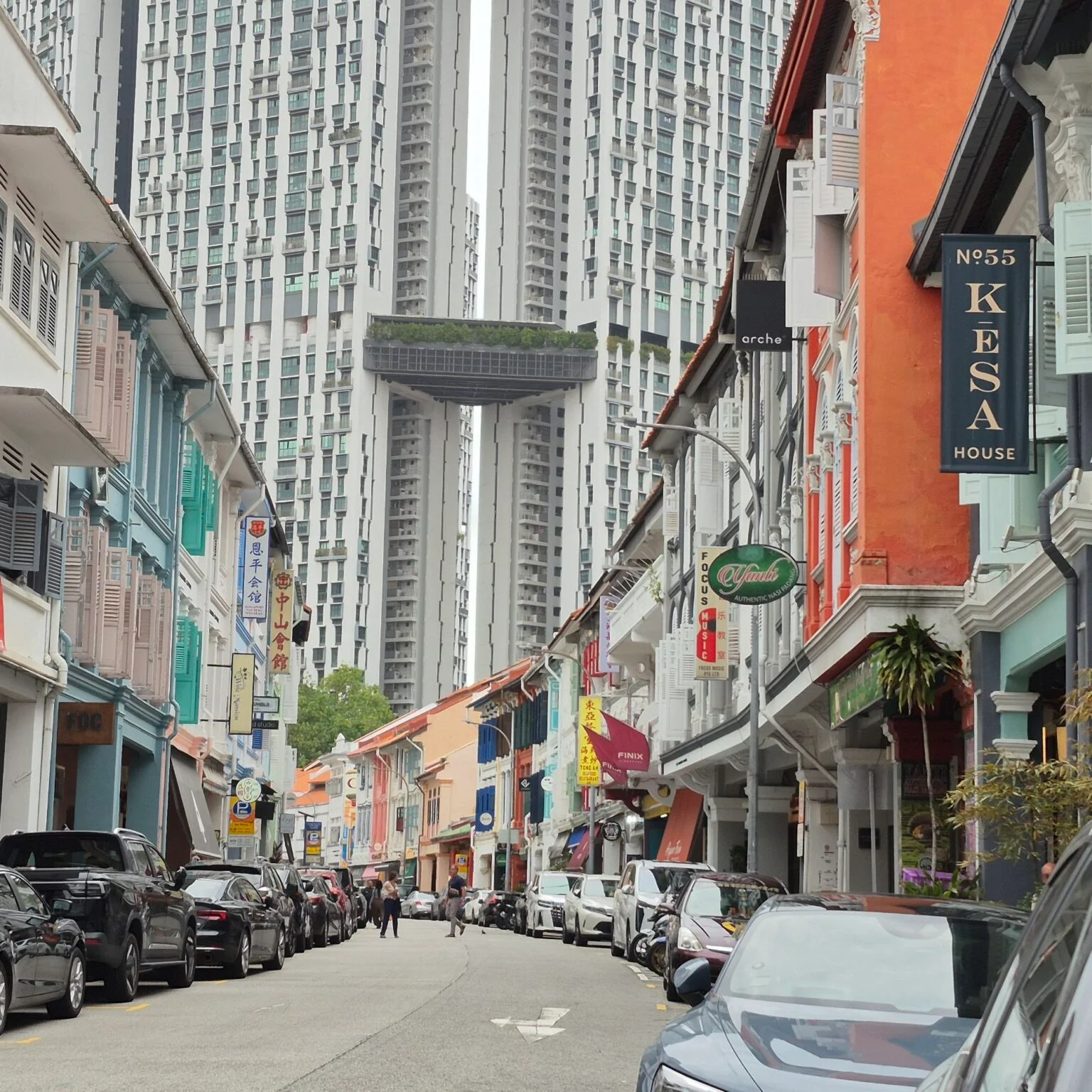
🇸🇬💠 A Stroll Through Singapore’s Peranakan Houses: Color, Culture & Charm

🇸🇬🤤Salted Egg Crispy Fish Skin – Dangerously Addictive