The Philippines doesn’t just celebrate Christmas – it lives it. For months. With unmatched enthusiasm, deep faith, and a love for food and family, Filipinos have turned the holiday season into a cultural masterpiece. Here are five fascinating facts that reveal why Christmas in the Philippines is unlike anywhere else in the world.
🎅 Interesting Fact 1: Christmas Starts in September — Yes, Really
In most countries, Christmas begins sometime in December. In the Philippines, it begins the moment the calendar hits September 1st – a four‑month stretch where holiday spirit takes over the nation.
Radio stations start playing Christmas songs. Malls unveil towering trees and glittering décor. Neighborhoods begin stringing up lights and paról lanterns.
It’s festive, it’s joyful, and it’s wonderfully Filipino. And yes – it lasts longer than many relationships. 🤣 But this early start isn’t just for fun. It builds anticipation for the spiritual heart of the season: Simbang Gabi.
⛪🌌 Interesting Fact 2: Filipinos Attend Nine Straight Days of 4 AM Mass (Simbang Gabi)
If you think waking up early for Black Friday is tough, try nine consecutive days of pre‑dawn mass.
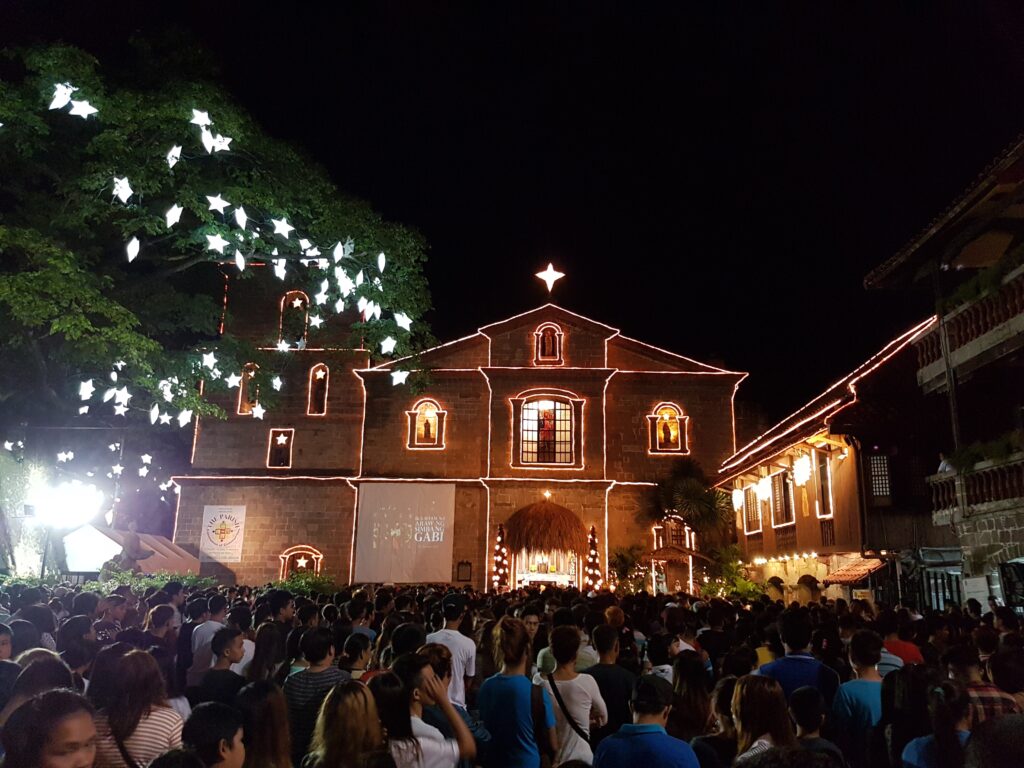
From December 16th to 24th, millions of Filipinos rise between 3 and 5 a.m. to attend Simbang Gabi, a cherished Catholic tradition dating back to the Spanish colonial era. Churches glow in the darkness, hymns echo through the cool morning air, and entire communities gather in quiet devotion.
Many believe that completing all nine masses grants a special wish – but beyond superstition, Simbang Gabi is about discipline, gratitude, and togetherness. It’s one of the most powerful expressions of Filipino faith.
🍰 Interesting Fact 3: After Mass, Streets Transform Into a Festival of Bibingka and Puto Bumbong
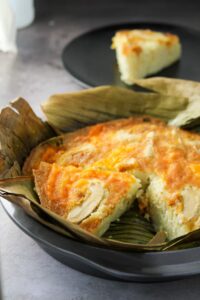
Once mass ends, the celebration moves outside. Streets fill with vendors selling warm, fragrant holiday treats – especially bibingka, a soft rice cake cooked in clay pots lined with banana leaves.
The aroma alone is irresistible. The toppings – butter, sugar, salted egg, or cheese – make it unforgettable.
Alongside bibingka is puto bumbong, a purple sticky rice steamed in bamboo tubes and served with coconut and brown sugar. Pair these with a cup of salabat (ginger tea), and you’ve got the perfect Filipino Christmas breakfast.
These foods aren’t just snacks – they’re part of the emotional memory of the season, tied to family, tradition, and the joy of early morning gatherings.

🎶 Interesting Fact 4: Caroling Is a National Pastime — With Homemade Instruments
Filipinos don’t just listen to Christmas music; they perform it. Caroling is a beloved tradition where children — and sometimes adults – go door‑to‑door singing holiday songs in exchange for aguinaldo (small gifts or coins).
The soundtrack includes Western classics, but the true star is the Filipino favorite “Ang Pasko Ay Sumapit.”
What makes Filipino caroling special is the creativity:
- tambourines made from bottle caps
- drums crafted from tin cans
- improvised shakers and noisemakers
It’s joyful, noisy, and full of heart — a perfect reflection of Filipino holiday spirit.
⭐ Interesting Fact 5: The Paról and Noche Buena Are Symbols of Light, Family, and Celebration
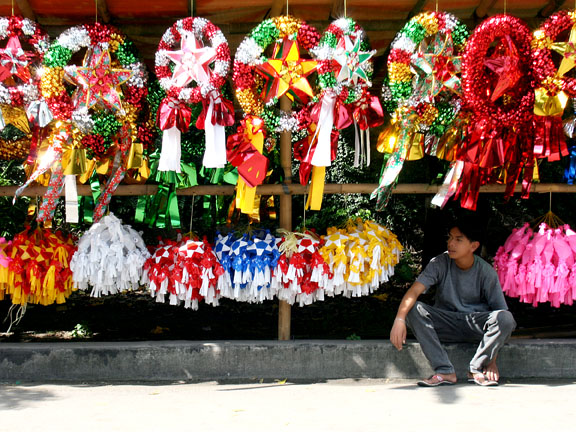
The paról, a star‑shaped lantern, is the ultimate symbol of Filipino Christmas. Inspired by the Star of Bethlehem, it represents hope, guidance, and the warmth of home. Made from bamboo, paper, or capiz shells, paróls illuminate homes, streets, and entire cities with colorful brilliance.
Then comes Noche Buena, the midnight feast on December 24th. Families gather after the final Simbang Gabi mass to enjoy a lavish spread featuring:
- lechon (crispy roast pig)
- Christmas ham
- queso de bola (Edam cheese)
- pasta, fruit salad, and countless homemade dishes
It’s a night of laughter, storytelling, gift‑giving, and togetherness — the emotional climax of the Filipino Christmas season.
❤️ A Holiday Season Like No Other
Christmas in the Philippines is a vibrant blend of faith, food, music, and family. From the first carols of September to the final fireworks of January, the Filipino holiday spirit is warm, generous, and endlessly joyful.
A Handwritten Adventure Delivered to Your Door
Every month, a beautifully handwritten postcard sent from a different corner of the globe — penned by real people, in real places, with real stories to share.