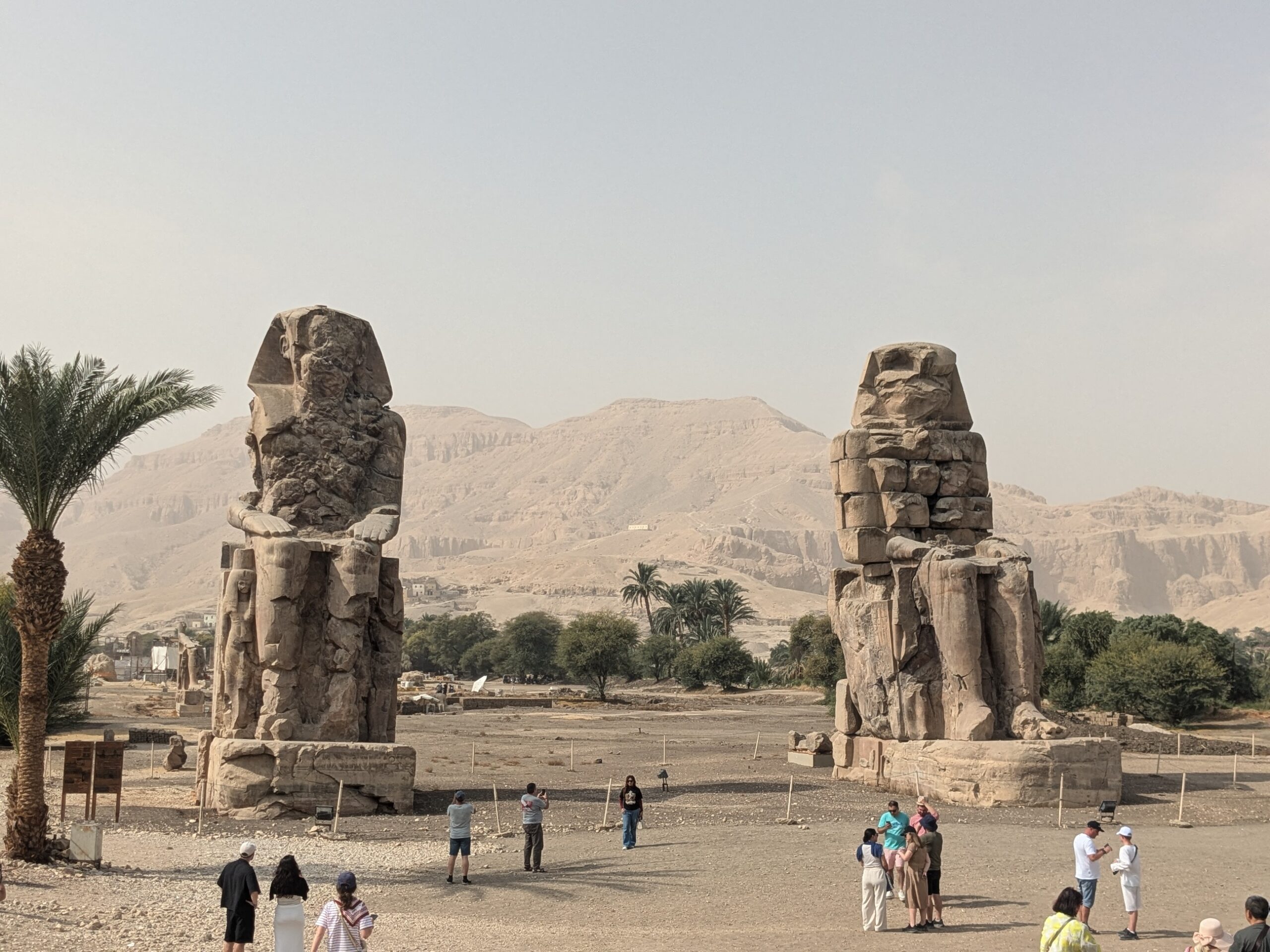
The Valley of the Kings sits on the west bank of the Nile, and that choice was no accident. In ancient Egyptian belief, the Nile wasn’t just a river — it was the axis of the world. The east was the land of the living, where the sun rose each morning and life began anew. The west was the land of the dead, where the sun disappeared each evening into the mountains. So temples for worship and daily life stood on the east bank. Tombs and funerary temples belonged to the west.
When you stand in the Valley of the Kings, surrounded by cliffs shaped like a natural pyramid, you feel that symbolism immediately. The sun moves across the sky, and by afternoon the whole valley glows gold, as if the mountain itself is preparing to swallow the light.
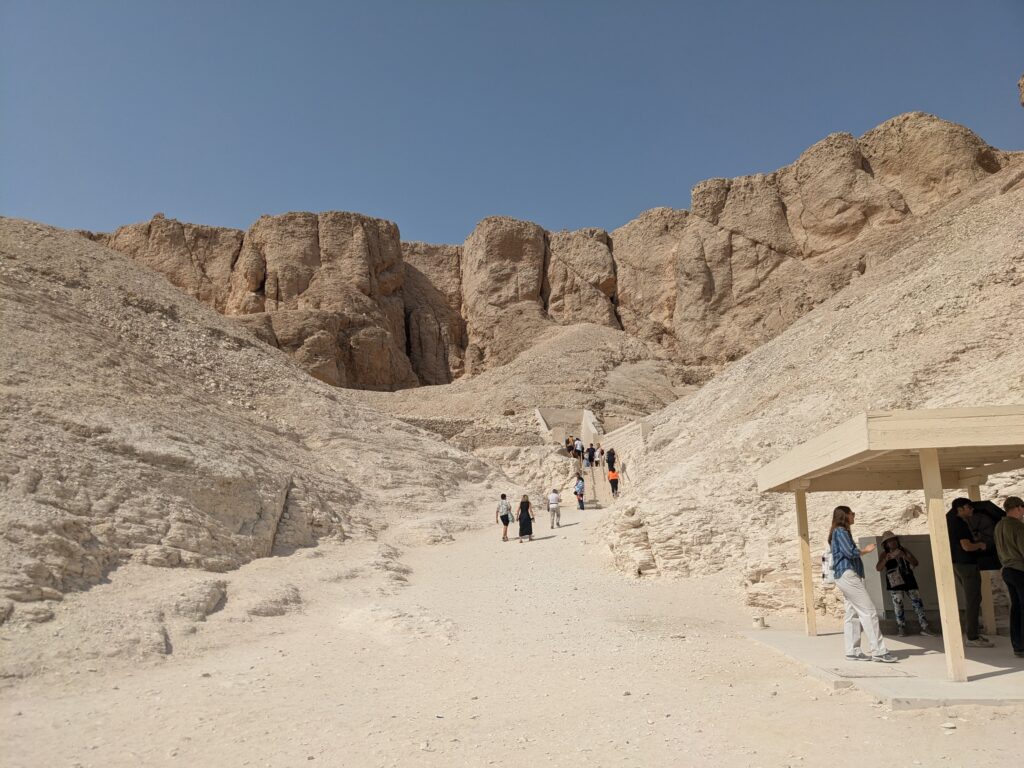
This was the royal cemetery of the New Kingdom, a period when Egypt reached its artistic and political peak. Instead of building pyramids that invited attention, the pharaohs carved their tombs deep into the Theban mountains, hiding their afterlife journeys beneath layers of rock. The entrances are modest, almost humble — but what lies below is anything but.
🌅 What the Ancient Egyptians Believed About Death
To the ancient Egyptians, death was not an ending — it was a transition, a dangerous and transformative journey through the underworld known as the Duat.
They believed:
- The soul had many parts — including the ka (life force), ba (personality), and akh (transfigured spirit).
- After death, these parts needed to reunite and be sustained through offerings.
- The deceased had to travel through twelve hours of night, facing trials, gates, guardians, and serpents.
- The heart would be weighed against the feather of Ma’at — truth, justice, cosmic order.
- If the heart was pure, the soul passed on to the Field of Reeds, a perfected version of Egypt where life continued in eternal peace.
- If not, the heart was devoured by Ammit, and the soul ceased to exist.
The tombs were not memorials. They were instruction manuals — maps, prayers, spells, and cosmic diagrams carved into stone to guide the king safely through the night and into rebirth with the rising sun.
🌀 Tomb of Ramses IV
Ramses IV’s tomb is one of the most direct in the valley — a long, straight descent that feels like walking into a story. The stairway drops gently underground, and the deeper you go, the more the walls come alive.
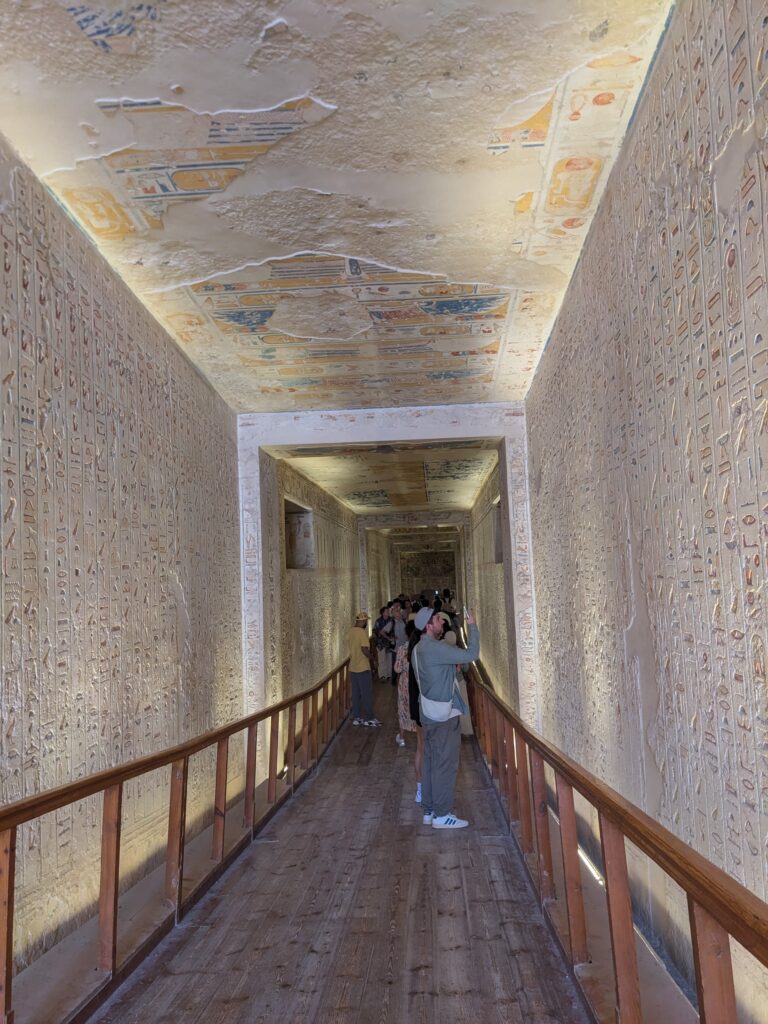
Scenes from the Book of the Dead, the Book of Caverns, and the Book of Gates stretch across the corridors in vivid color. Gods with falcon heads, serpents coiled in protective loops, solar boats sailing through the night sky — all guiding the king through the twelve hours of darkness, through judgment day and to his rebirth.
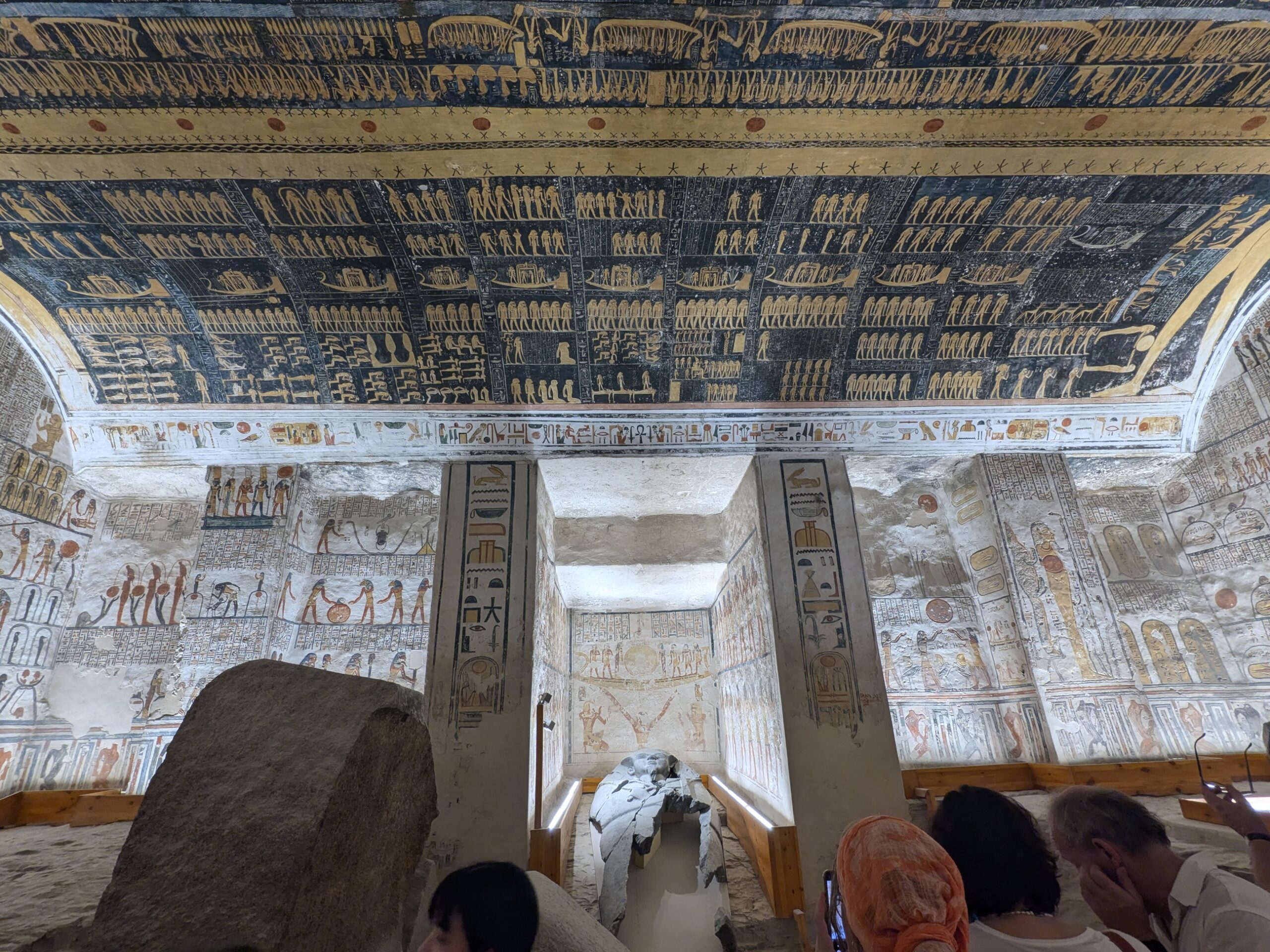
The ceiling is a deep lapis blue, scattered with golden stars — a symbolic sky meant to accompany the king into eternity.
Halfway down, the corridor widens into a small hall with niches carved into the walls. These once held statues of protective gods, standing watch over the king’s journey.
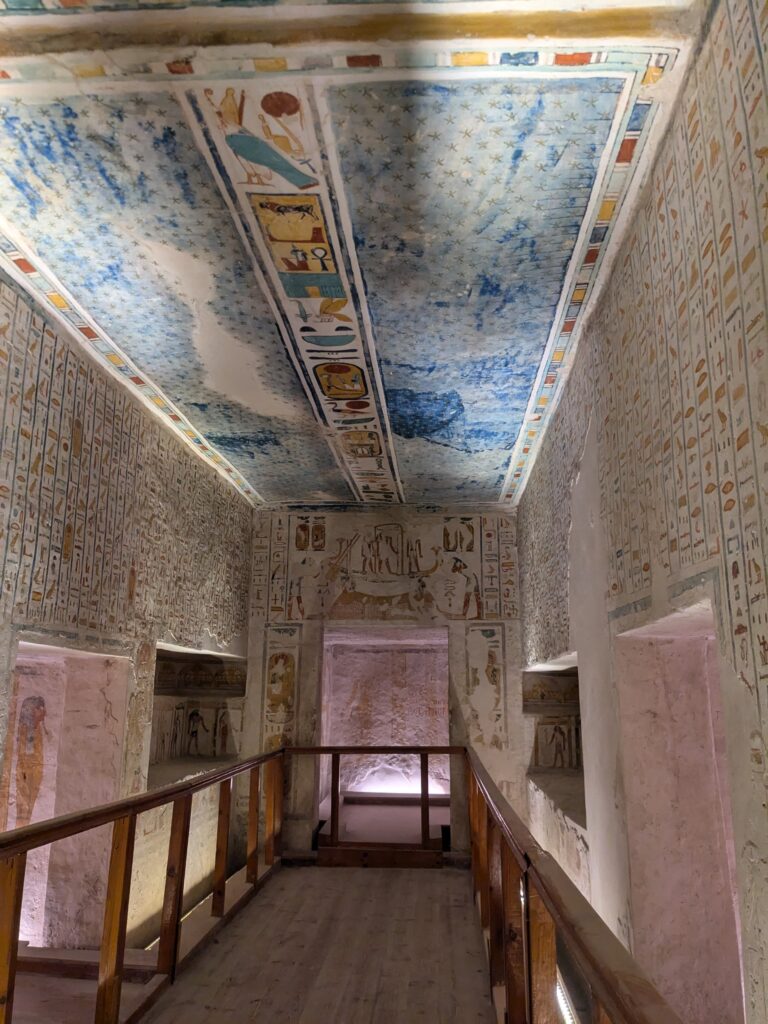
The burial chamber is compact but beautifully decorated. The sarcophagus stands in the center, surrounded by scenes of the king embraced by gods, receiving the promise of rebirth. Even the ceiling is covered with astronomical texts — constellations, star charts, and the goddess Nut stretching across the heavens.
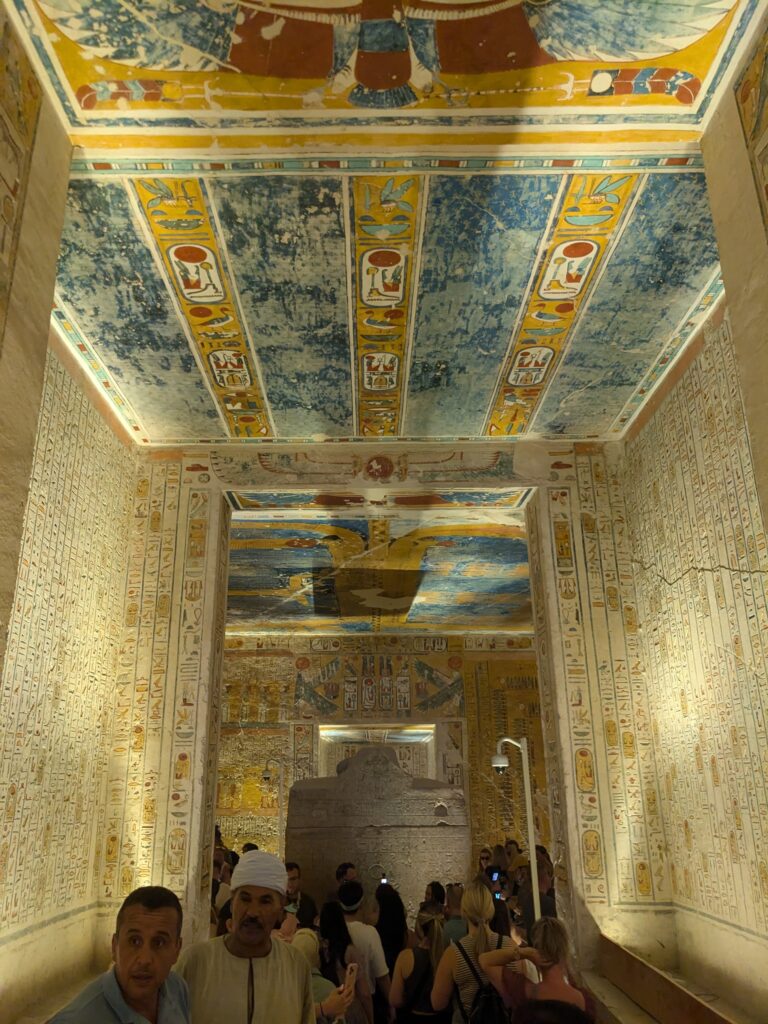
The ceiling is a deep blue, sprinkled with stars, as if the sky itself followed you underground. It’s strangely comforting. You feel like you’re walking with the pharaoh, step by step, into the next world.
🌌 Tomb of Ramses V & VI: A Cathedral Beneath the Earth
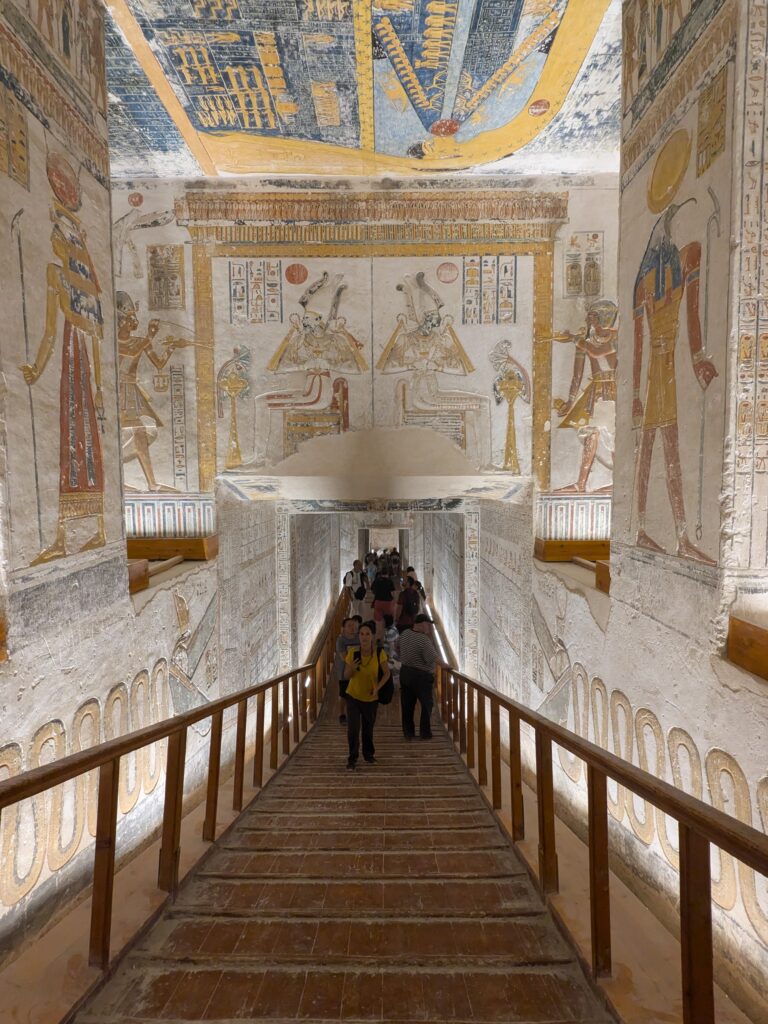
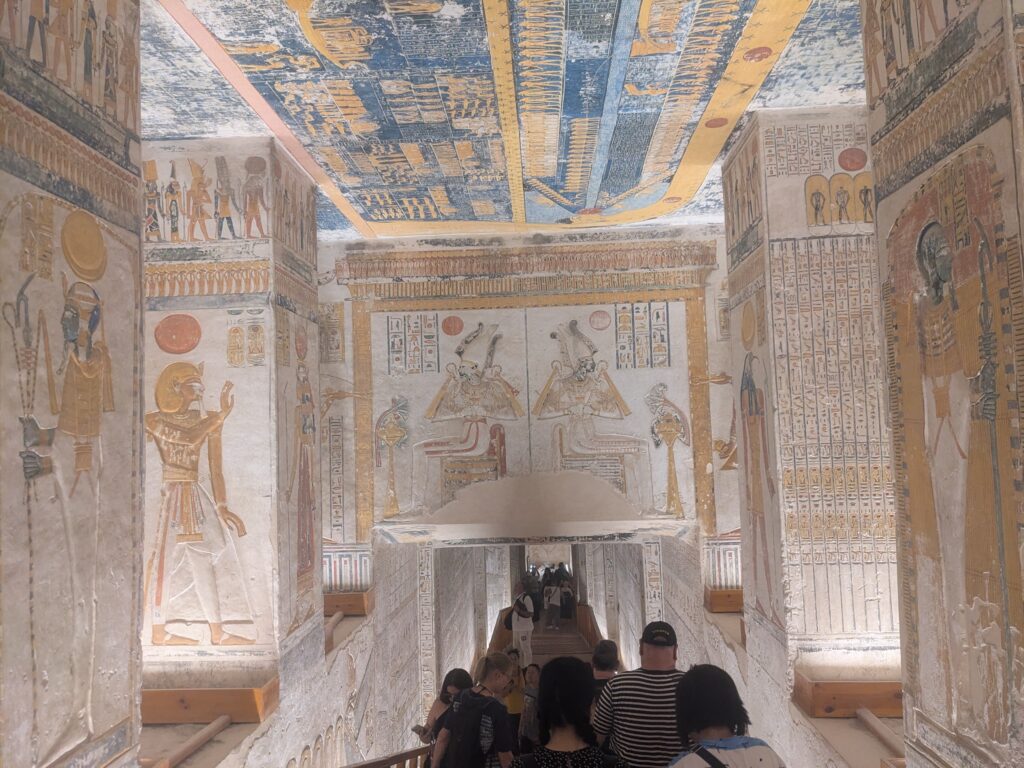
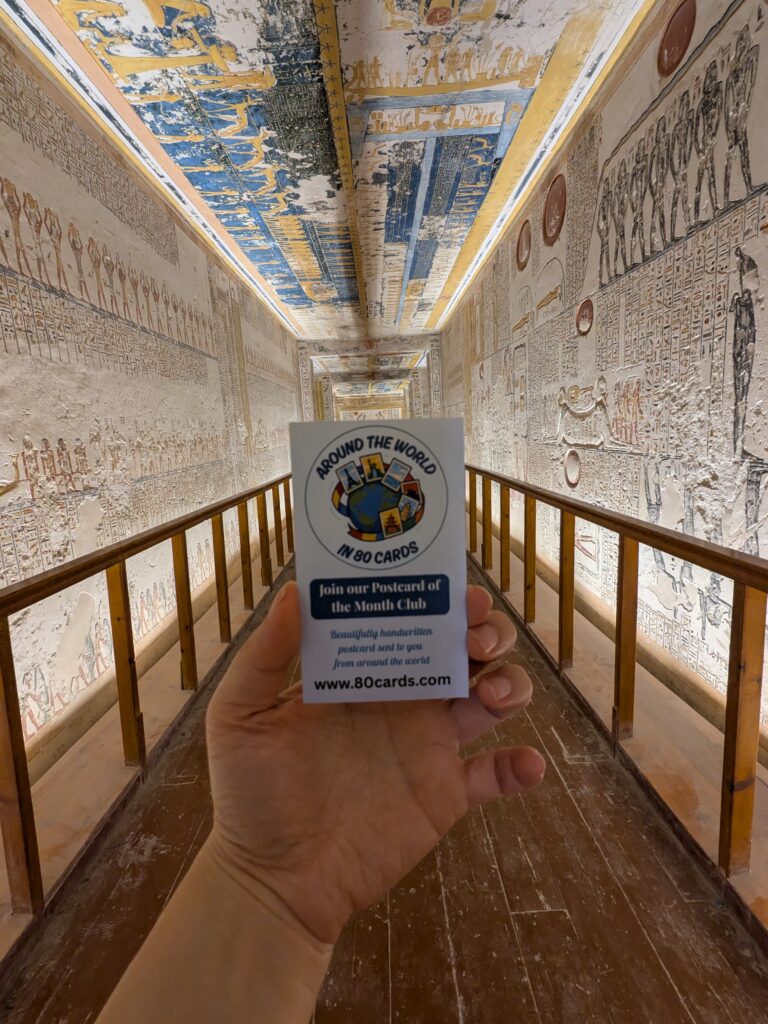
The moment you step inside, the scale hits you. The ceilings soar higher, the chambers widen, and the artwork becomes almost cosmic. This tomb is famous for its astronomical ceiling — a swirling map of stars, constellations, and deities that turns the entire burial chamber into a celestial dome.
The first corridor is long and high, with walls covered in scenes from the Book of the Dead. The figures are crisp, the colors surprisingly vivid. Gods with jackal heads, falcon heads, ram heads — all guiding the king through the trials of the afterlife.
As you descend, the ceilings become more elaborate. One corridor shows the sky goddess Nut swallowing the sun at dusk and giving birth to it at dawn — a cosmic cycle repeated every day for eternity.
But the real masterpiece is the burial chamber.
It’s enormous — a stone cathedral carved underground. The ceiling is a swirling astronomical map, painted in deep blues and golds. Constellations, star boats, and celestial deities stretch across the entire vault. It feels like standing inside the night sky itself.
The walls are covered with scenes from the Book of the Earth, one of the most complex funerary texts in ancient Egypt. You see the sun god traveling through the underworld, passing through caverns filled with serpents, guardians, and the souls of the blessed. The artistry is bold, almost sculptural — figures carved in deep relief, their outlines still sharp after thousands of years.
At the center of the chamber lies the massive stone sarcophagus, cracked but still monumental. Its size alone tells you how important this tomb was meant to be.
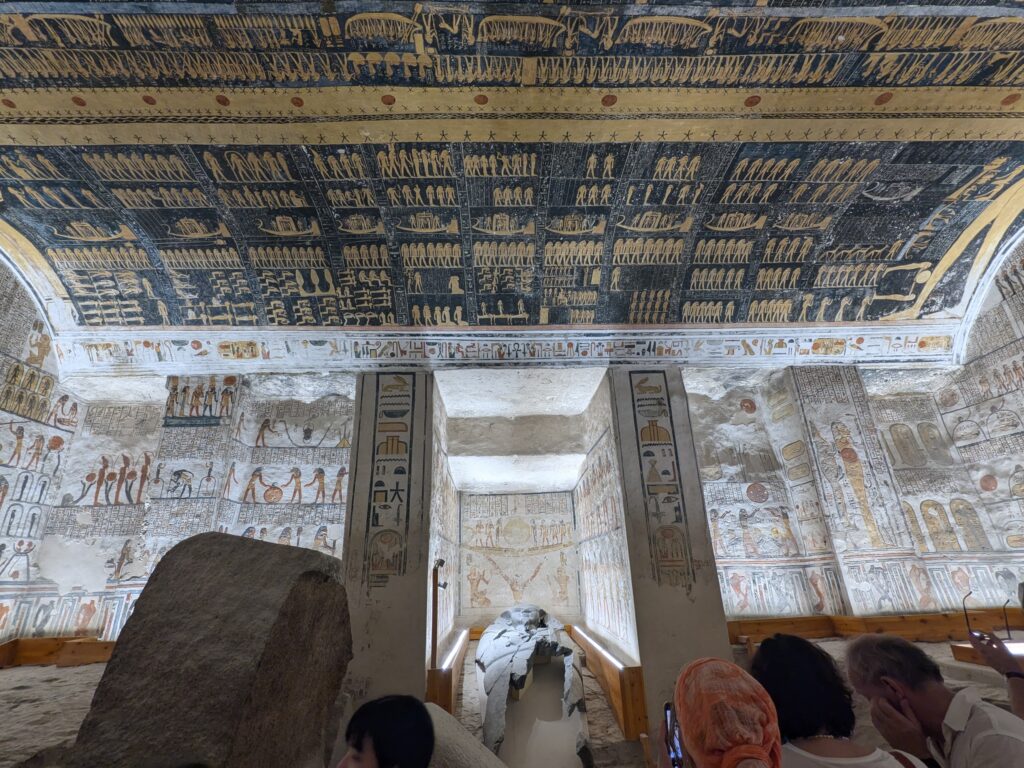
The Valley of the Kings isn’t just a burial ground — it’s a map of the ancient Egyptian imagination. Every stairway, every painted wall, every carved chamber was designed to guide a king through the afterlife, hour by hour, trial by trial, until he rose again with the morning sun.
Together, they show you how the ancient Egyptians understood death — not as an ending, but as a passage through darkness toward rebirth.
🖋️Writer Spotlight: Mimi
🇪🇬 Egypt (Oct 2025 Postcard)
ℹ️ Important Notice for Our U.S. Members: Postcards from Egypt
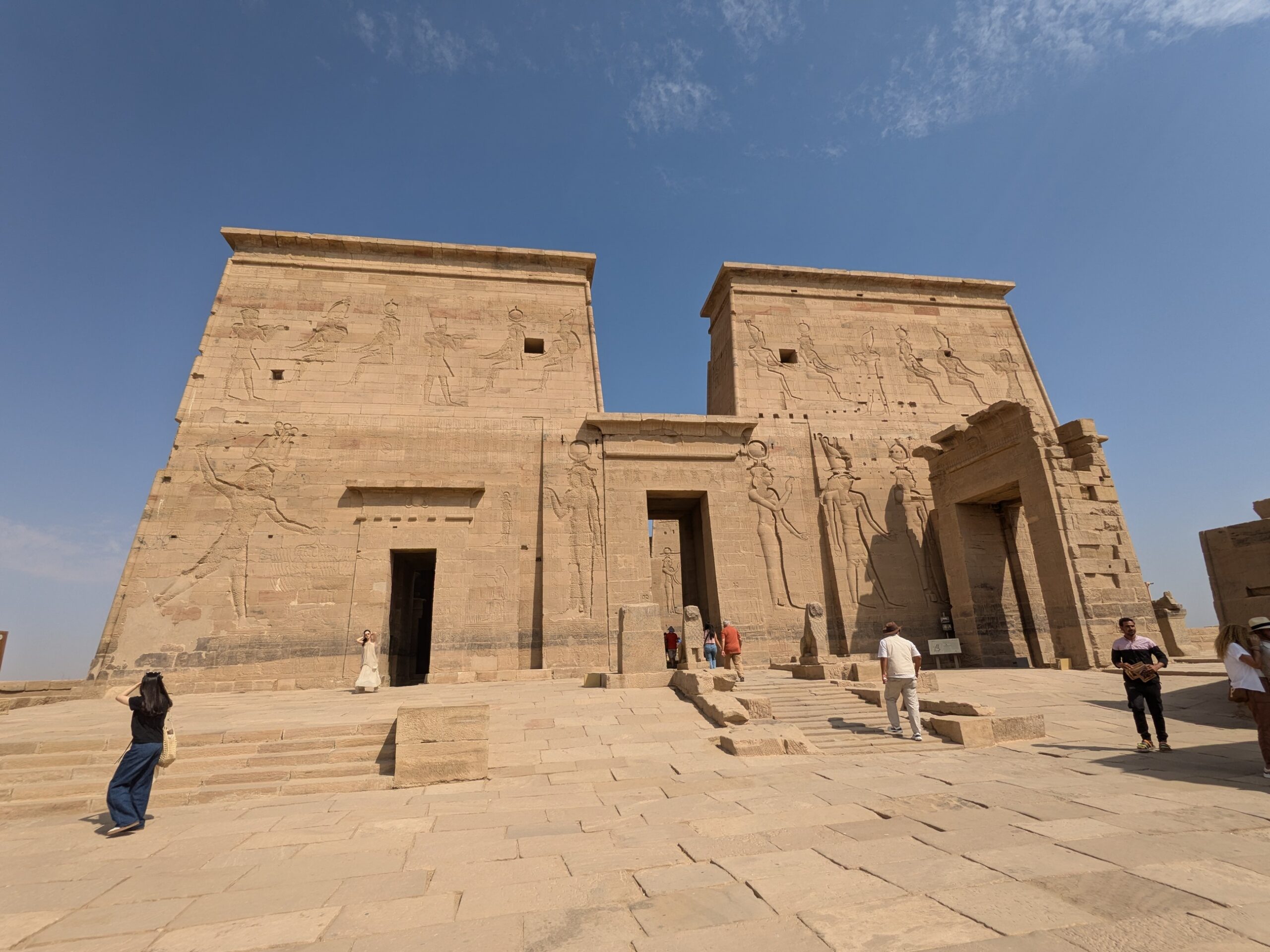
🇪🇬🏺 Philae Temple: Where Ancient Myth Meets the Nile
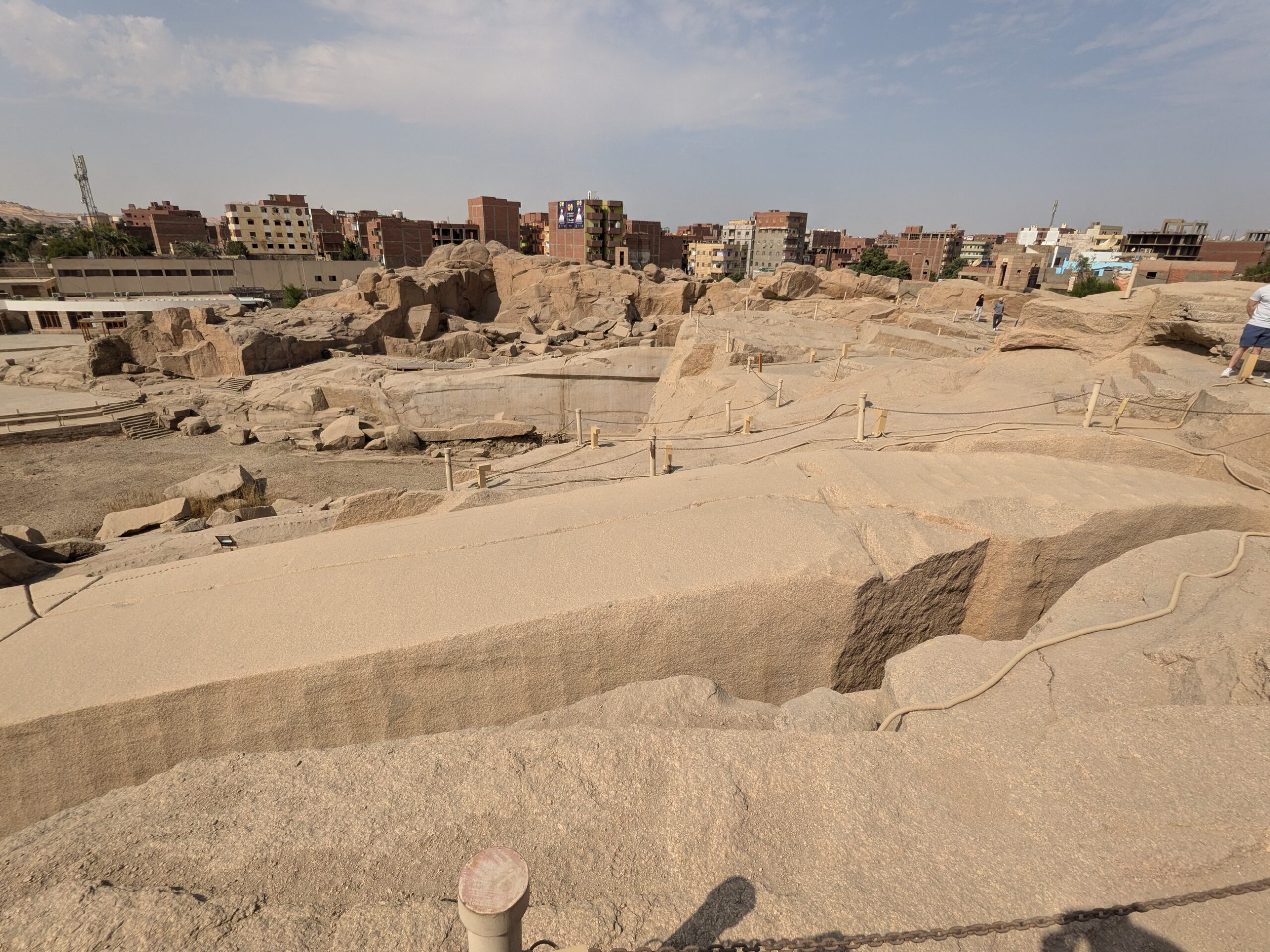
🇪🇬🪨 The Unfinished Obelisk: Egypt’s Monument That Reveals Everything
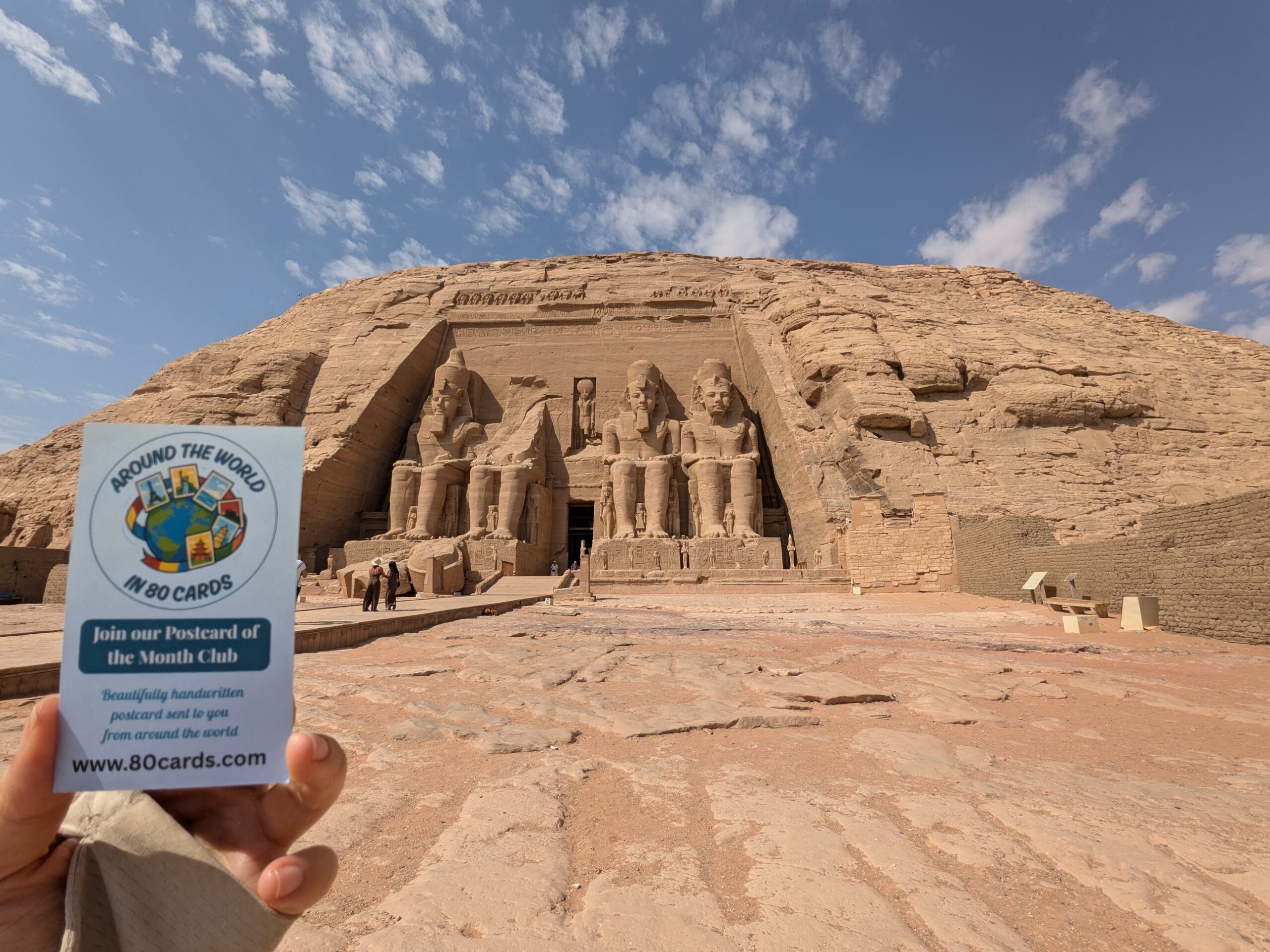
🇪🇬 Abu Simbel: From Pharaoh’s Vision to UNESCO’s Greatest Rescue
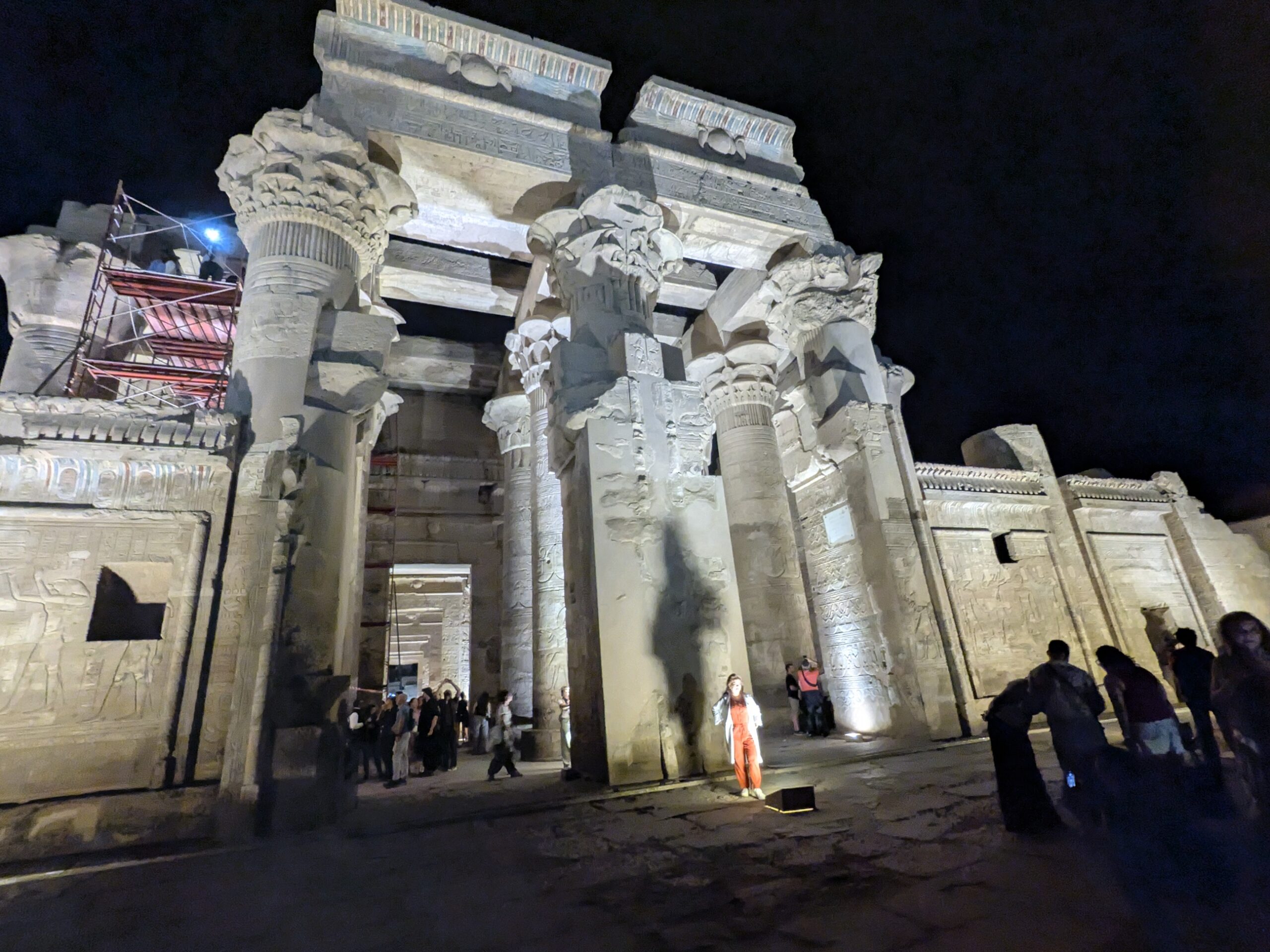
🇪🇬🐊 Kom Ombo: My Favorite Temple on the Nile
🇪🇬🦅 Edfu: Where a God Awaits for his Beloved
🇪🇬 Valley of the Kings: Where the Pharaohs Sleep
🇪🇬 The Temple of Hatshepsut: The Woman who Became King