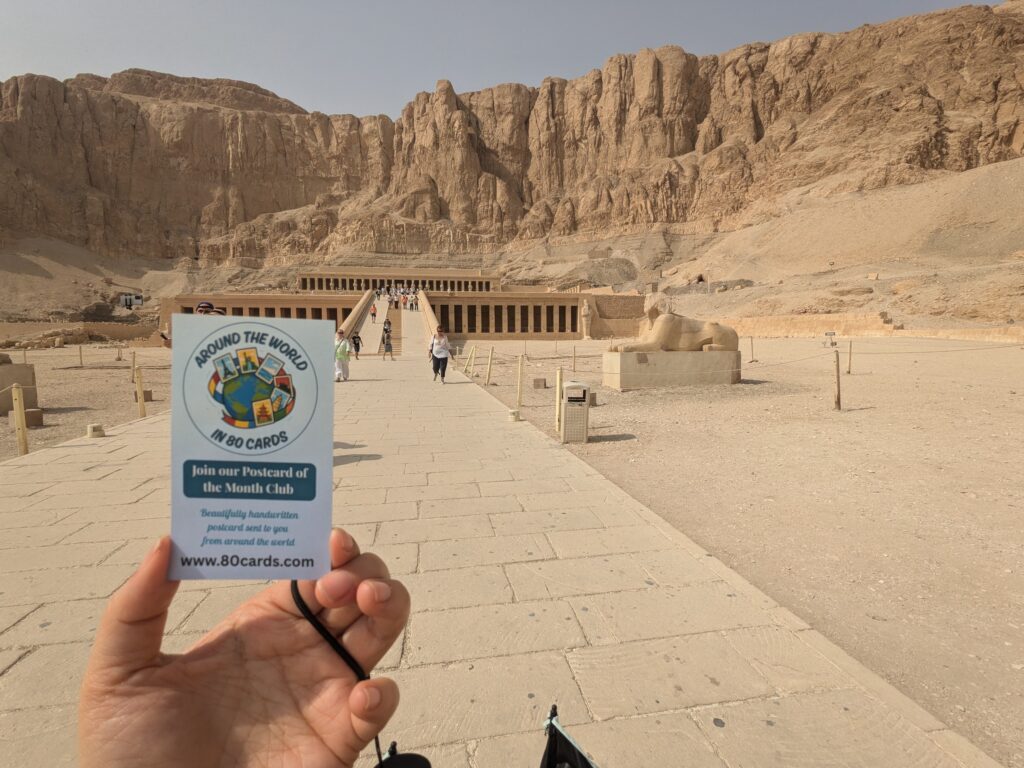
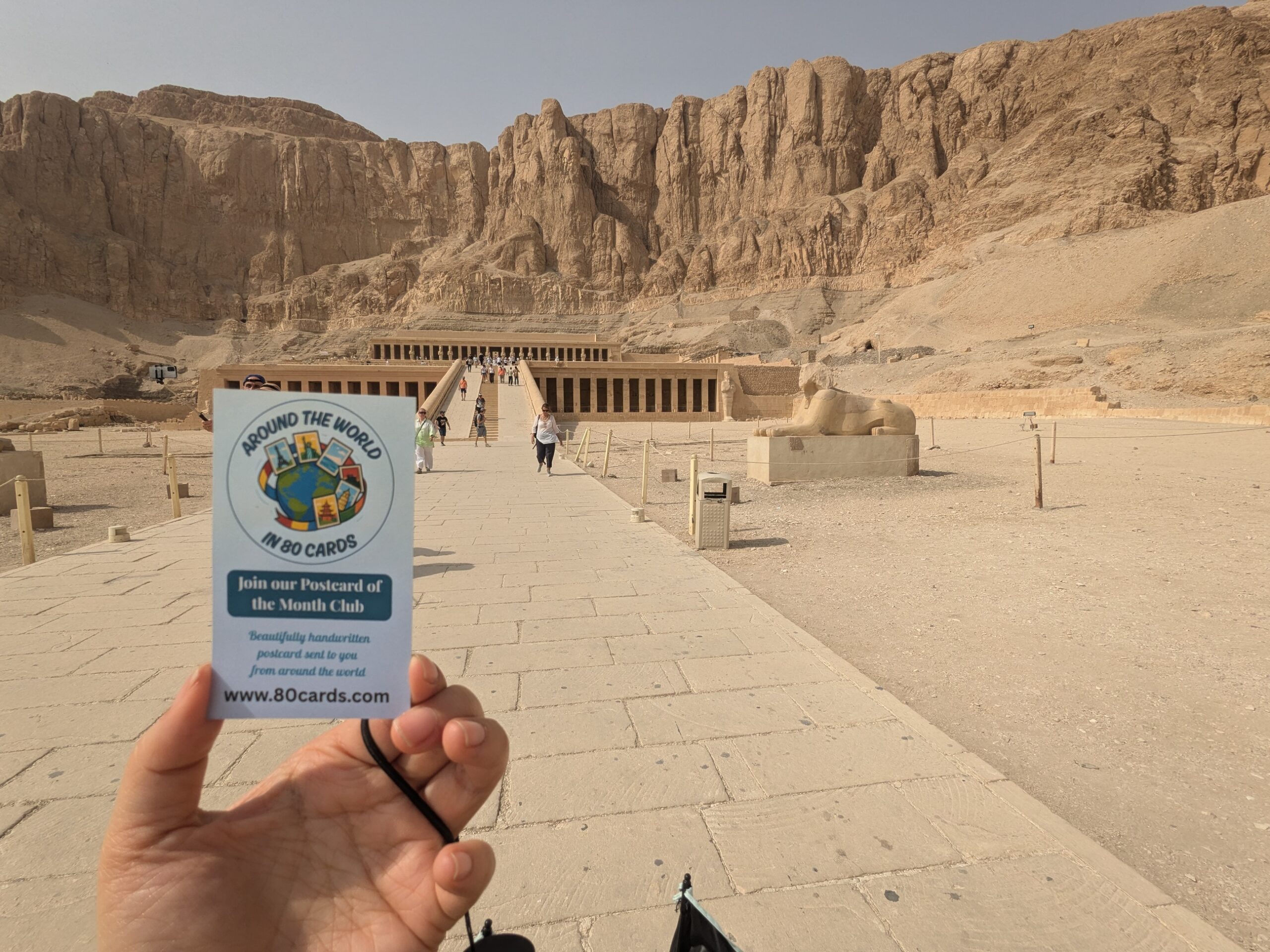
The Temple of Queen Hatshepsut rises out of the cliffs at Deir el‑Bahari like something half‑carved by humans and half‑revealed by the mountain itself. Terraces stack one above the other in long, elegant lines, perfectly aligned with the desert horizon. Even in a land full of temples, this one feels different — serene, geometric, almost modern.
But the story behind it is even more extraordinary than the architecture.
It is the story of Hatshepsut, a woman who became king.
👑 Who Was Hatshepsut?
Hatshepsut was born into the royal family of the 18th Dynasty, daughter of Thutmose I and later wife of her half‑brother Thutmose II. When her husband died young, the throne passed to his son — Thutmose III, a child far too young to rule. Hatshepsut first served as his regent, the traditional role for a queen mother or senior royal woman.
But something unprecedented happened.
Around the seventh year of her regency, Hatshepsut took on the full titles, regalia, and authority of a pharaoh, ruling as co‑king with the boy she had once protected. She wasn’t pretending to be queen — she was ruling as king.
Her reign was long, peaceful, and prosperous. Trade flourished, art blossomed, and monumental building projects — including this temple — reshaped Egypt’s landscape.
🧿 Why She Was Portrayed as a Man
Egyptian kingship was deeply symbolic. The pharaoh wasn’t just a ruler — he was the earthly embodiment of Horus, a role traditionally represented as male. To fit the ideological expectations of kingship, Hatshepsut adopted:
- the false beard
- the male kilt
- the bare chest
- the masculine body shape
- the full male titulary
Her statues and reliefs often show her as a man, even though inscriptions still refer to her as a woman.
This wasn’t deception — it was political theology. To rule as king, she had to look like a king.
Even in the Valley of the Kings, where she built her tomb (KV20), she appears in masculine form, following the same visual language used for male pharaohs.
The Temple
Hatshepsut’s mortuary temple — Djeser‑Djeseru, “Holy of Holies” — is one of the most beautiful structures in Egypt. Designed by her architect and close advisor Senenmut, it sits against a natural amphitheater of cliffs that rise like a stone curtain behind it.
The temple unfolds in three vast terraces connected by ramps.
A Temple Between Life and Death
Like all mortuary temples, Hatshepsut’s stands on the west bank — the land of the setting sun, the land of the dead. From here, rituals were performed to sustain her spirit in the afterlife, while her actual tomb lay deeper in the mountains.
The temple’s position is no accident. It sits at the gateway to the Valley of the Kings — a symbolic threshold between worlds.
Legacy of a Female Pharaoh
Hatshepsut ruled for nearly twenty years, one of the longest and most successful reigns of any pharaoh of the New Kingdom. After her death, later rulers attempted to erase her memory — chiseling her name from walls, smashing statues, and rewriting king lists.
But her temple survived.
And today, standing on its terraces, you feel the presence of a ruler who refused to fit the mold, who reshaped the idea of kingship, and who left behind one of the most breathtaking monuments in Egypt.
Hatshepsut didn’t just rule Egypt. She redefined what a king could be.

🖋️Writer Spotlight: Mimi
🇪🇬 Egypt (Oct 2025 Postcard)
ℹ️ Important Notice for Our U.S. Members: Postcards from Egypt
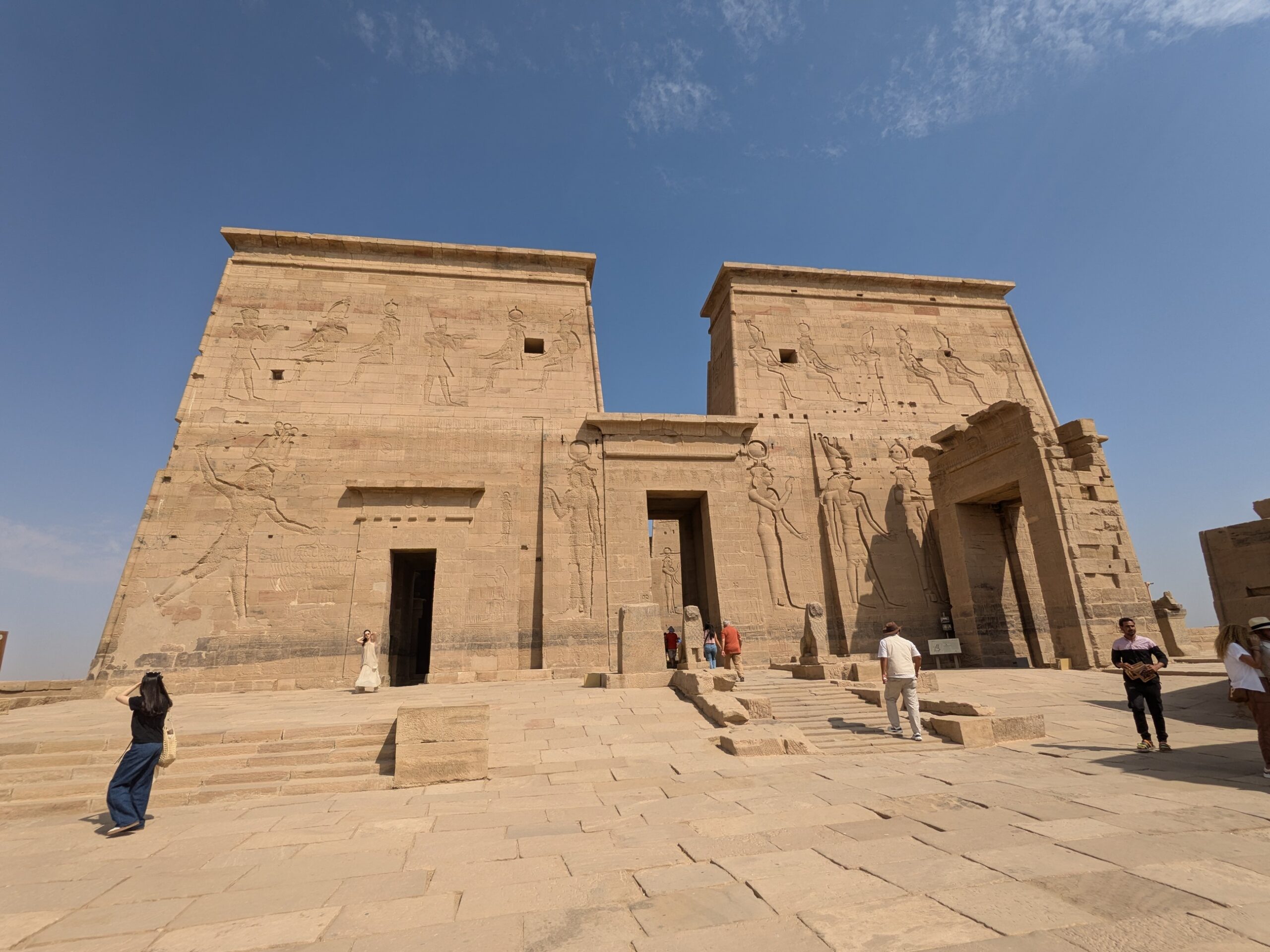
🇪🇬🏺 Philae Temple: Where Ancient Myth Meets the Nile
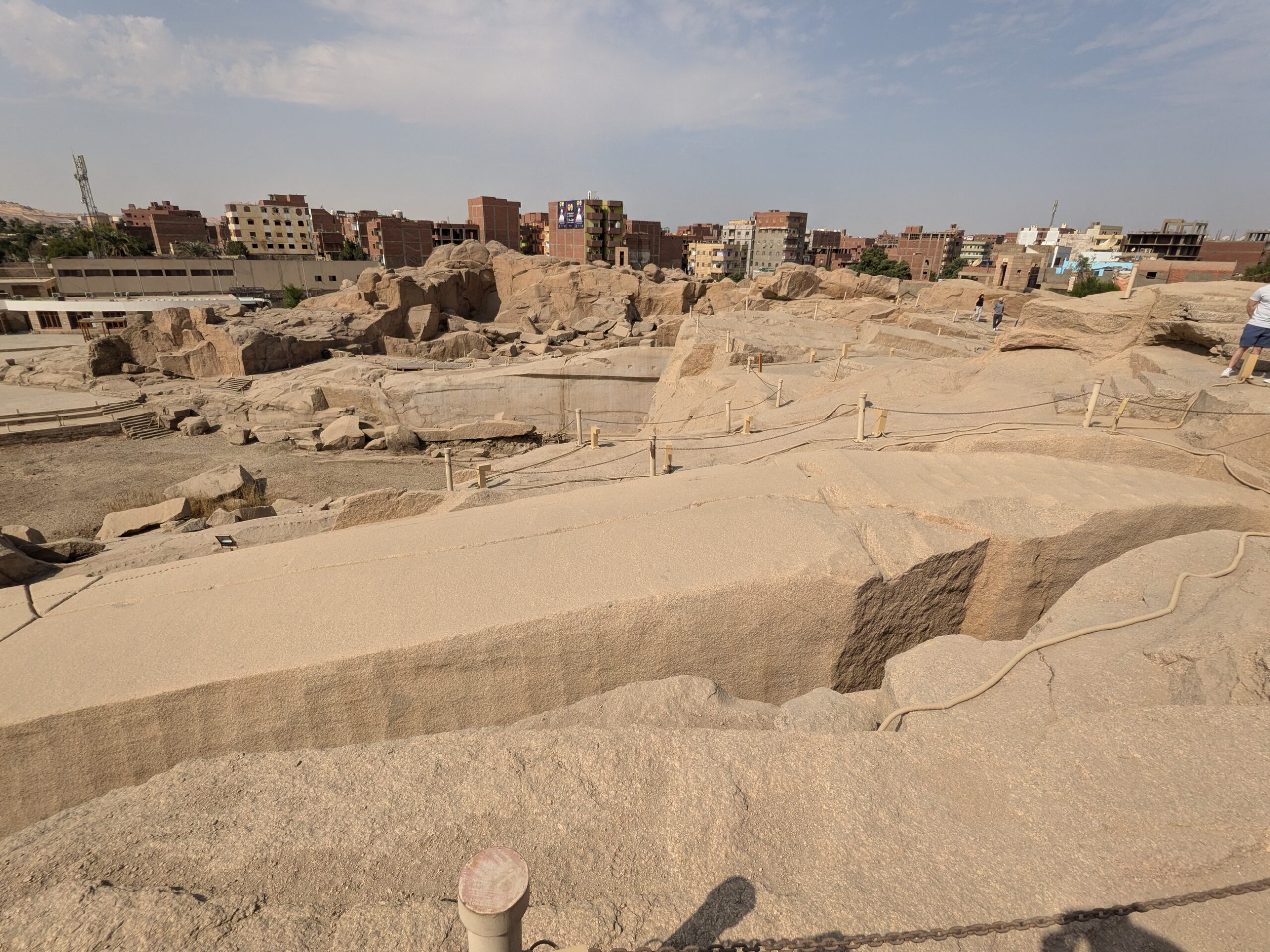
🇪🇬🪨 The Unfinished Obelisk: Egypt’s Monument That Reveals Everything
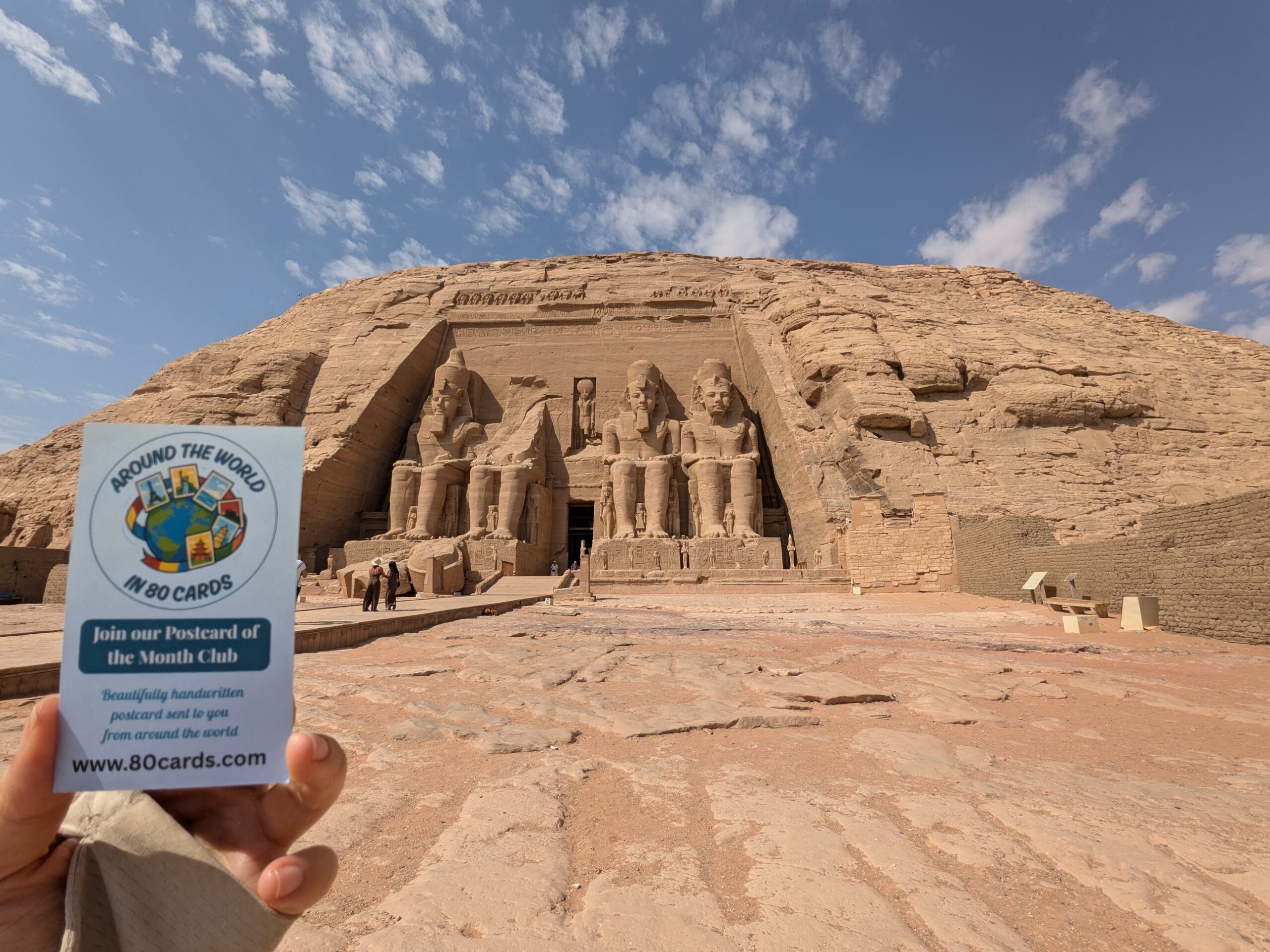
🇪🇬 Abu Simbel: From Pharaoh’s Vision to UNESCO’s Greatest Rescue
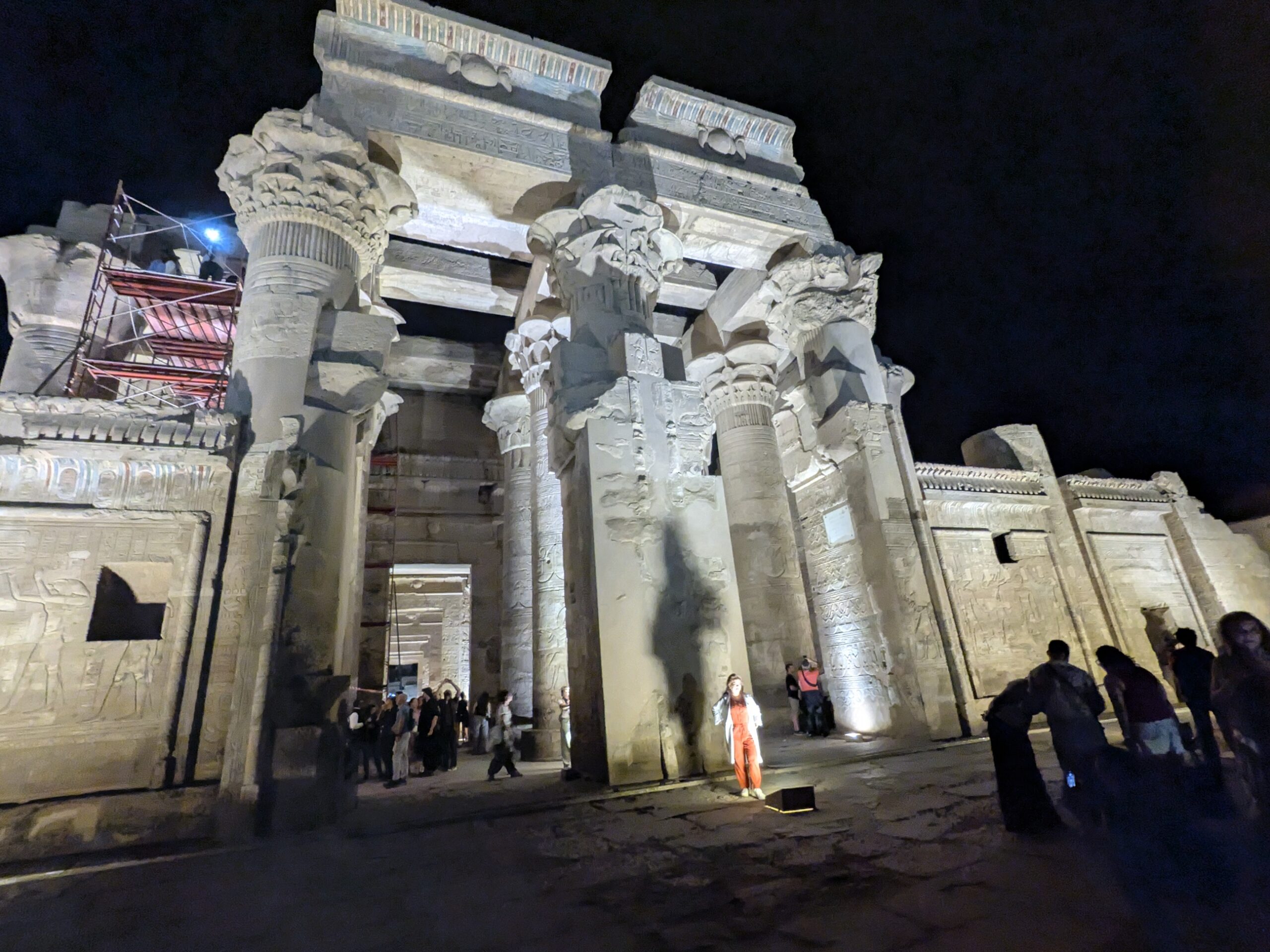
🇪🇬🐊 Kom Ombo: My Favorite Temple on the Nile
🇪🇬🦅 Edfu: Where a God Awaits for his Beloved
🇪🇬 Valley of the Kings: Where the Pharaohs Sleep
🇪🇬 The Temple of Hatshepsut: The Woman who Became King