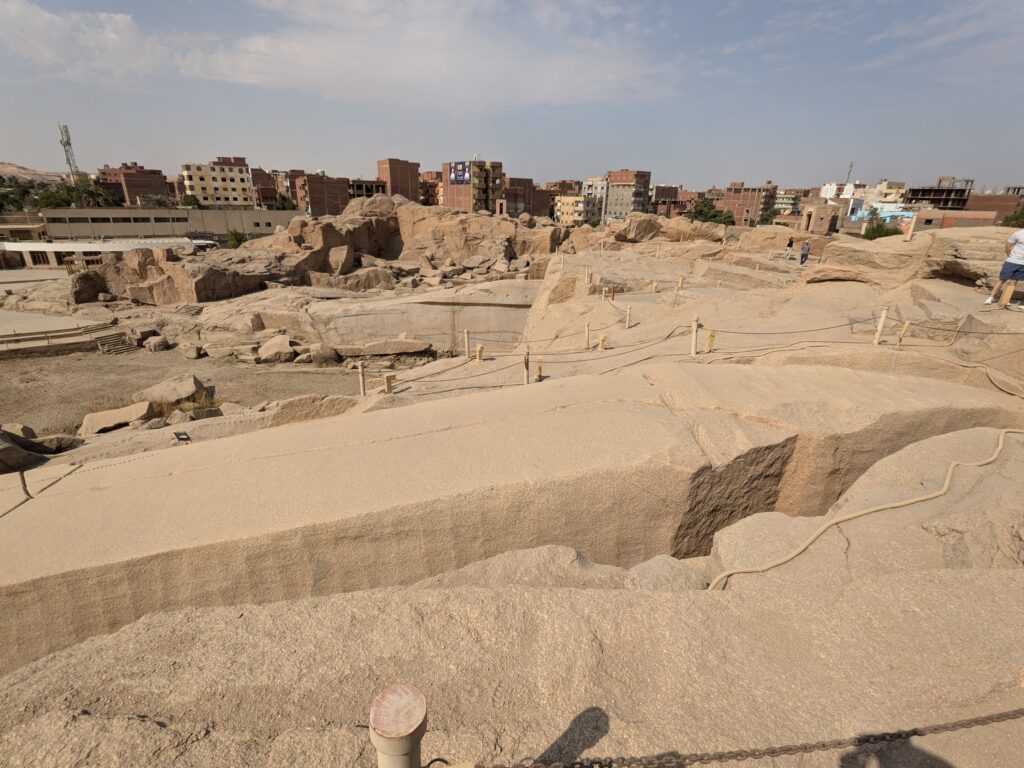
If you want to understand how ancient Egypt built its most iconic monuments, there is no better place to start than the Unfinished Obelisk in Aswan. Unlike the polished obelisks that stand proudly in temples and city squares around the world, this one never left the quarry. And that’s exactly what makes it so fascinating.
Carved directly from the granite bedrock of Aswan’s northern quarries, the Unfinished Obelisk offers a rare, almost intimate look at the engineering, ambition, and challenges behind ancient Egyptian stonework. It is the largest known ancient obelisk ever attempted, and had it been completed, it would have stood over 42 meters tall and weighed more than 1,000 tons.
🏺 What Obelisks Were For — And Why They Mattered
Obelisks were far more than decorative monuments. In ancient Egypt, they were deeply symbolic structures known as tekhen.
According to the Ministry of Tourism and Antiquities:
- Obelisks were carved from a single piece of stone.
- They were topped with a gilded pyramidion designed to catch the sun’s rays.
- They represented the benben, the first mound of creation where the sun‑god emerged to bring the world into being.
- They were closely tied to solar mythology and the power of the sun‑god.
This made obelisks powerful symbols of rebirth, divine authority, and cosmic order.
Egyptian kings erected them in pairs at temple entrances, carving their names and dedications on all four sides to link themselves with the gods and legitimize their rule. In many ways, obelisks were political, religious, and artistic statements all at once.
🪓 The Ambition Behind the Unfinished Obelisk
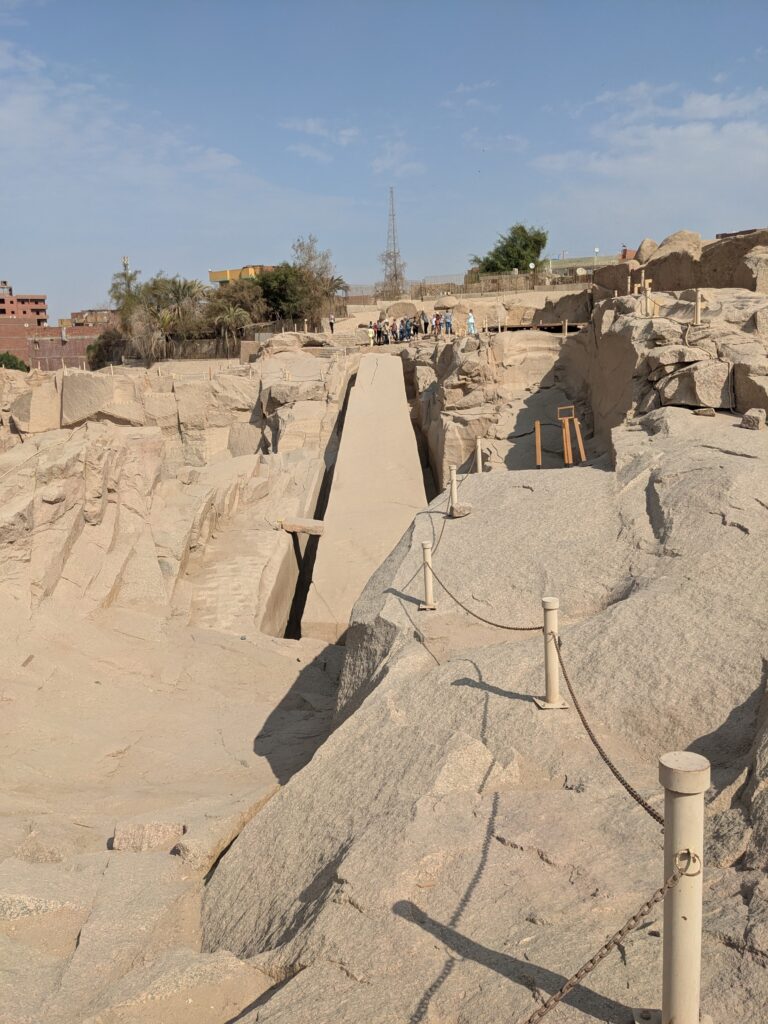
The Unfinished Obelisk is believed to have been commissioned by Hatshepsut, one of Egypt’s most remarkable rulers. She was known for her ambitious building projects, and this obelisk was likely intended to stand at Karnak, complementing others she erected there.
Workers began carving it directly from the quarry floor — a standard method for obelisk construction. The tool marks are still visible today, showing exactly how ancient artisans shaped these massive monuments with stone and copper tools.
But then something went wrong.
⚡ The Crack That Stopped Everything
During the carving process, a deep crack formed in the granite. Once the flaw appeared, the obelisk could no longer be safely extracted or transported. With no way to salvage it, the entire project was abandoned in place.
And so it remains — still attached to the bedrock, frozen mid‑creation.
This unfinished state is what makes the site so valuable. It reveals:
- how obelisks were shaped
- how they were separated from the bedrock
- how workers organized large‑scale stone projects
- how even the most skilled artisans faced unpredictable challenges
It’s like walking into an ancient workshop and finding the tools still warm.
The quarry and the Unfinished Obelisk were inscribed on the UNESCO World Heritage List in 1979.
The Unfinished Obelisk is a behind‑the‑scenes look at how ancient Egypt created the structures that still define its legacy today. Where temples show you the finished story, the Unfinished Obelisk shows you the work, the skill, and the dreams that made those stories possible.

🖋️Writer Spotlight: Mimi
🇪🇬 Egypt (Oct 2025 Postcard)
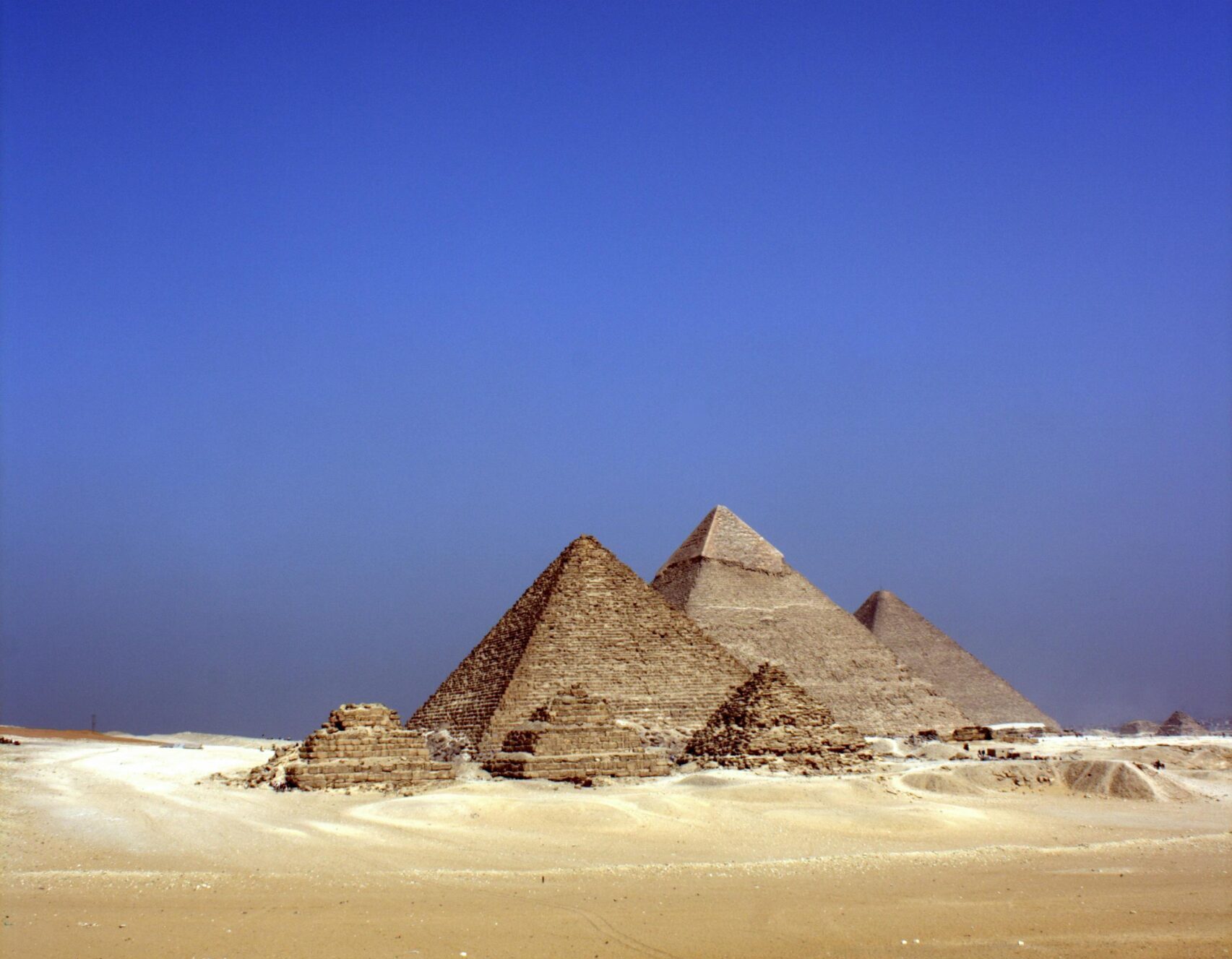
ℹ️ Important Notice for Our U.S. Members: Postcards from Egypt
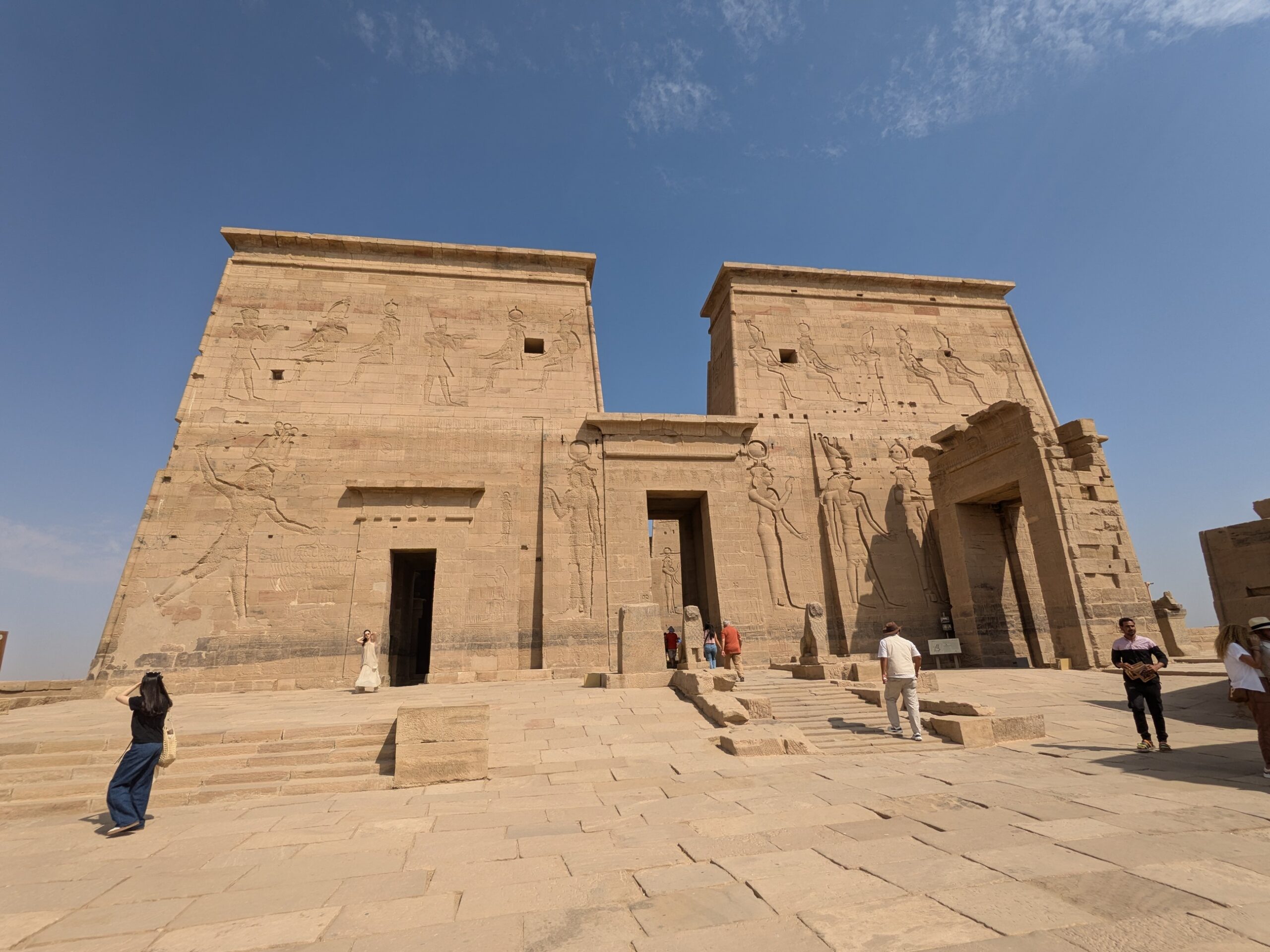
🇪🇬🏺 Philae Temple: Where Ancient Myth Meets the Nile
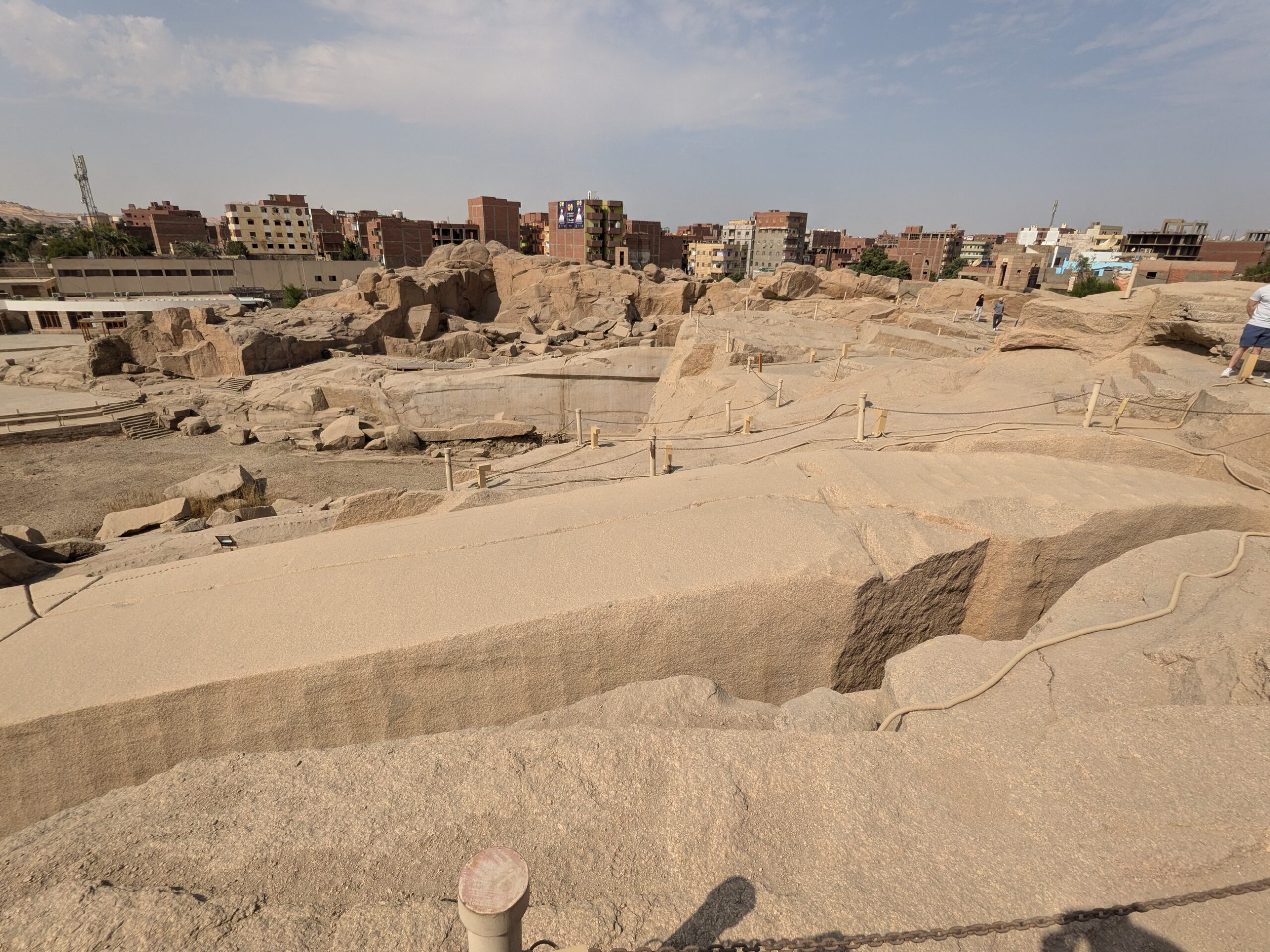
🇪🇬🪨 The Unfinished Obelisk: Egypt’s Monument That Reveals Everything
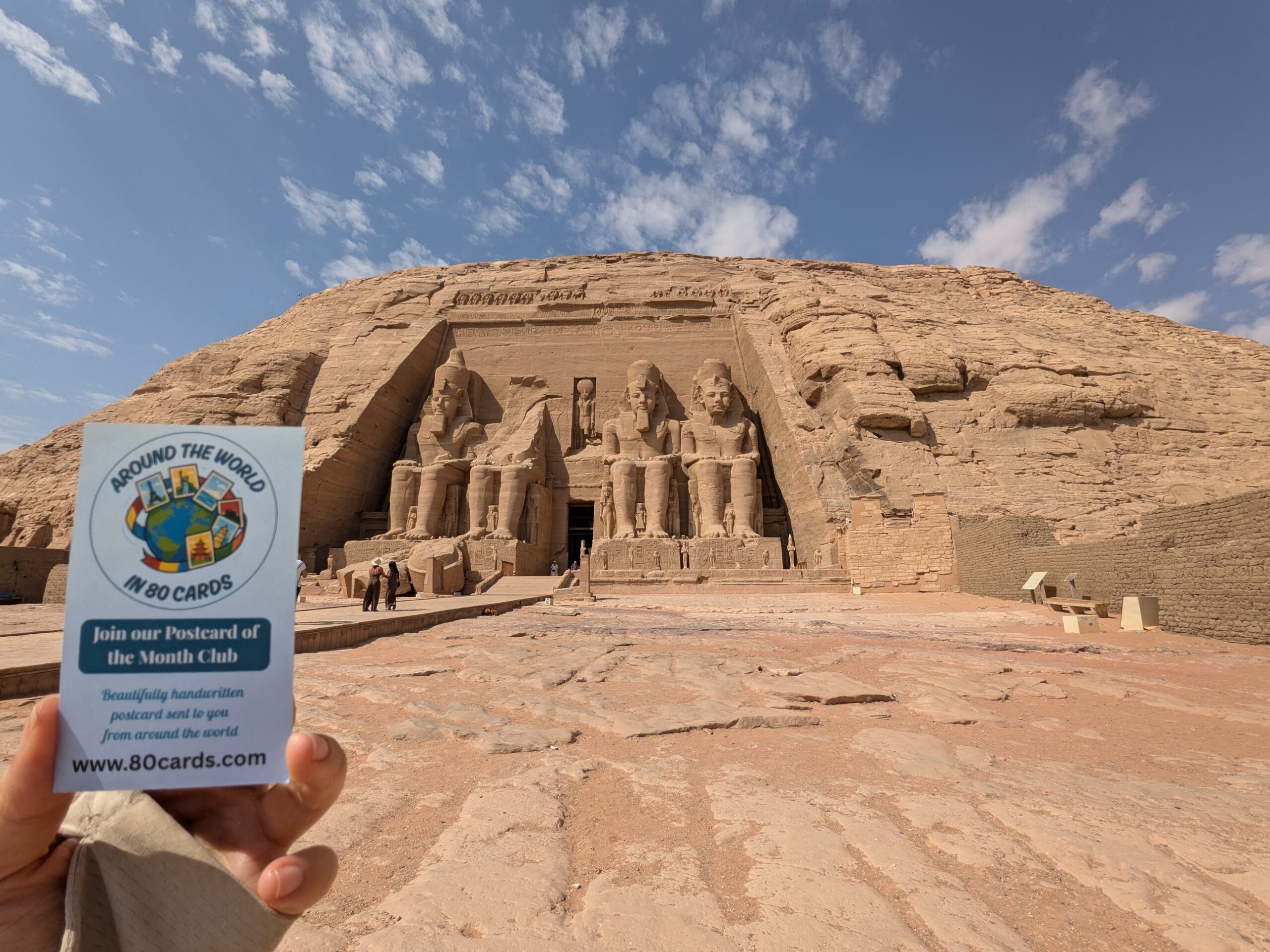
🇪🇬 Abu Simbel: From Pharaoh’s Vision to UNESCO’s Greatest Rescue
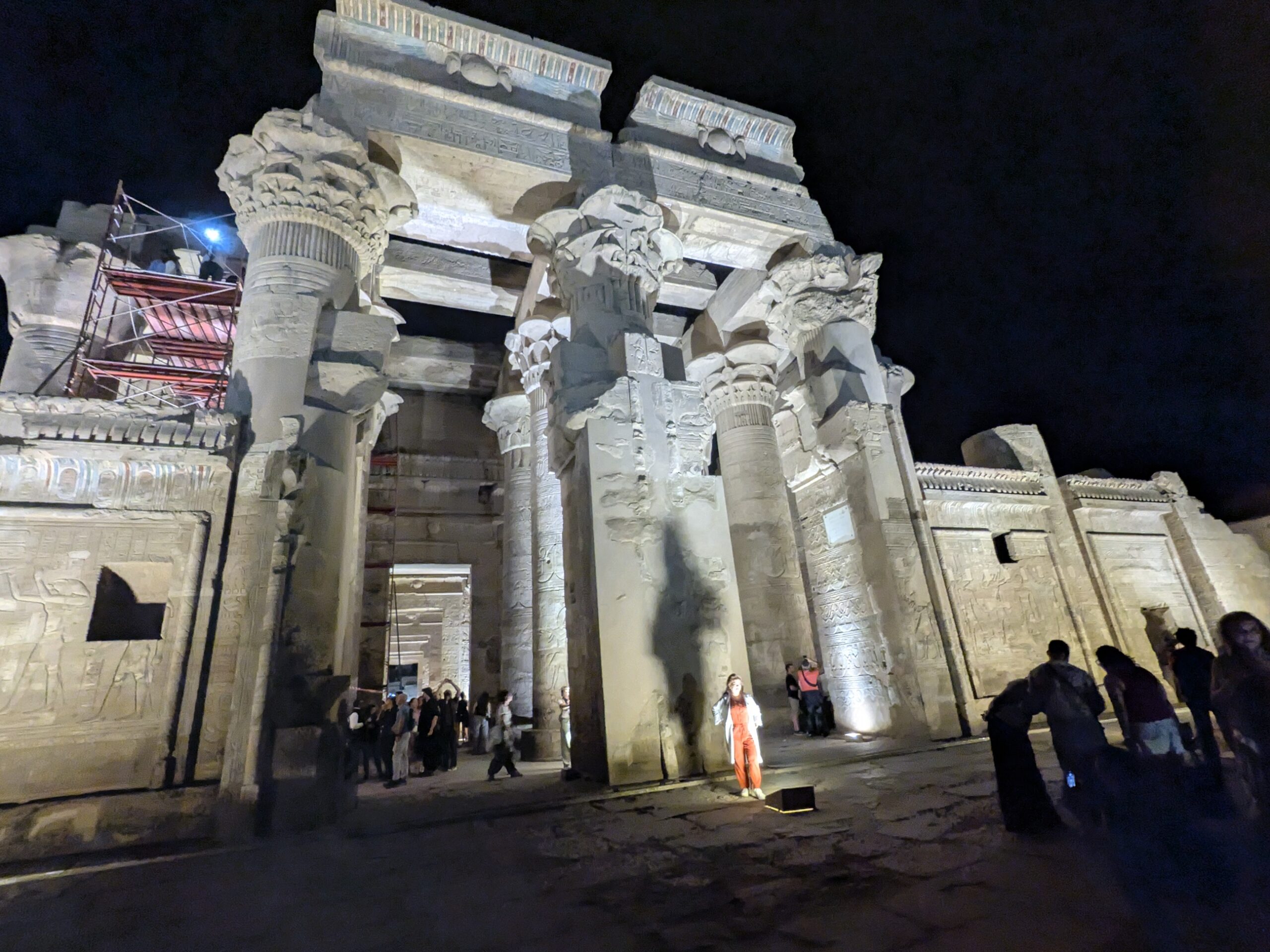
🇪🇬🐊 Kom Ombo: My Favorite Temple on the Nile
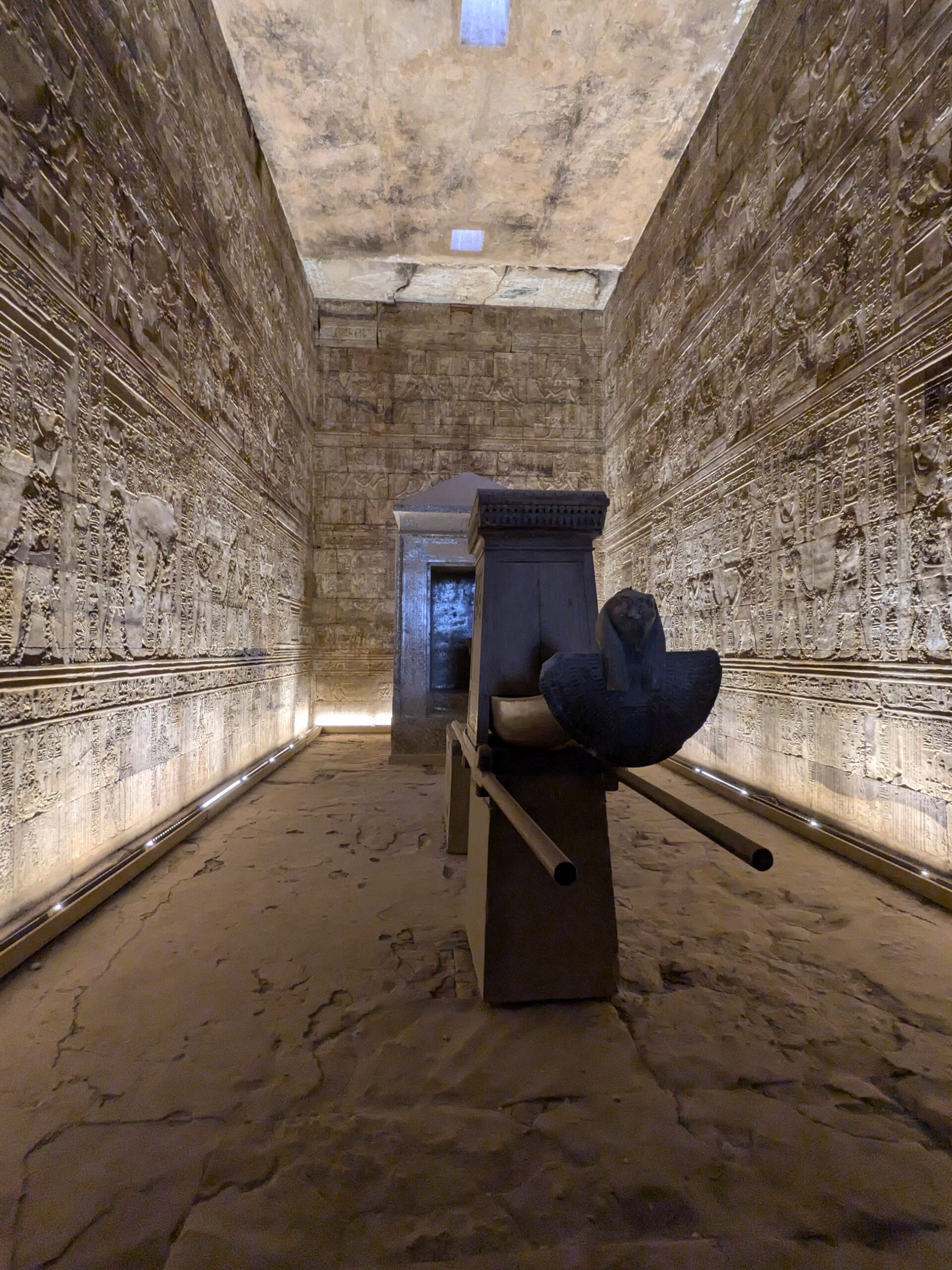
🇪🇬🦅 Edfu: Where a God Awaits for his Beloved
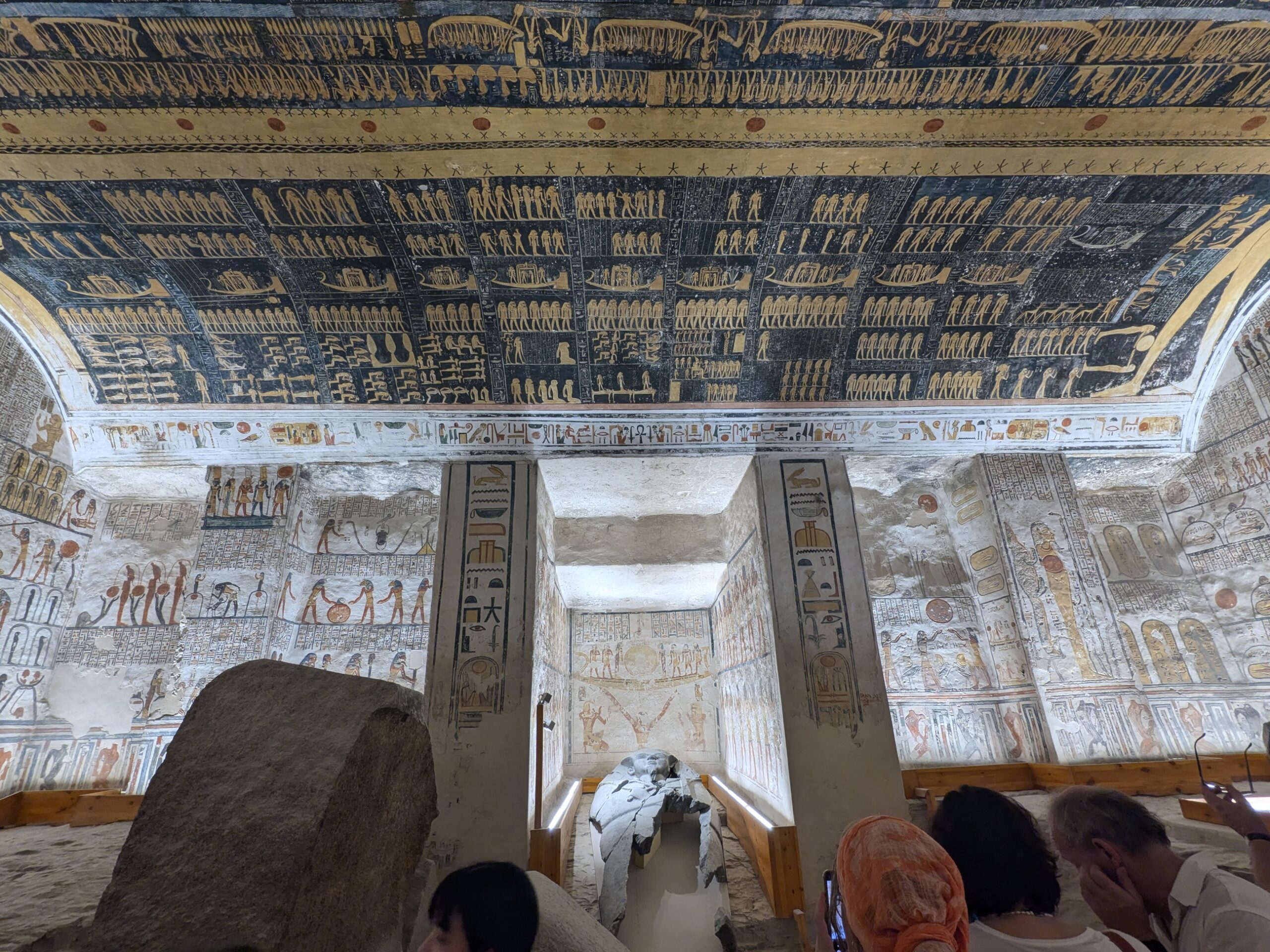
🇪🇬 Valley of the Kings: Where the Pharaohs Sleep
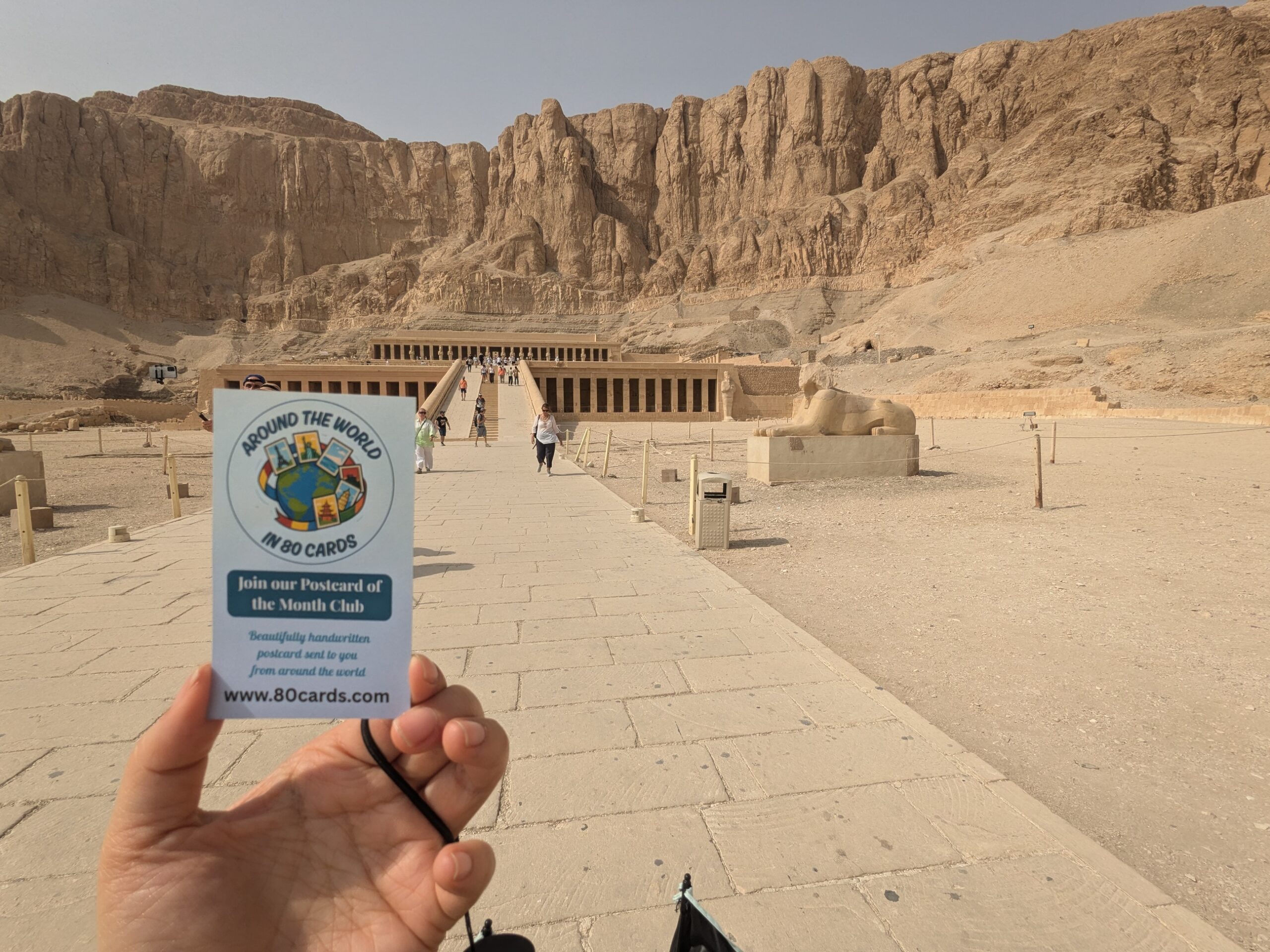
🇪🇬 The Temple of Hatshepsut: The Woman who Became King