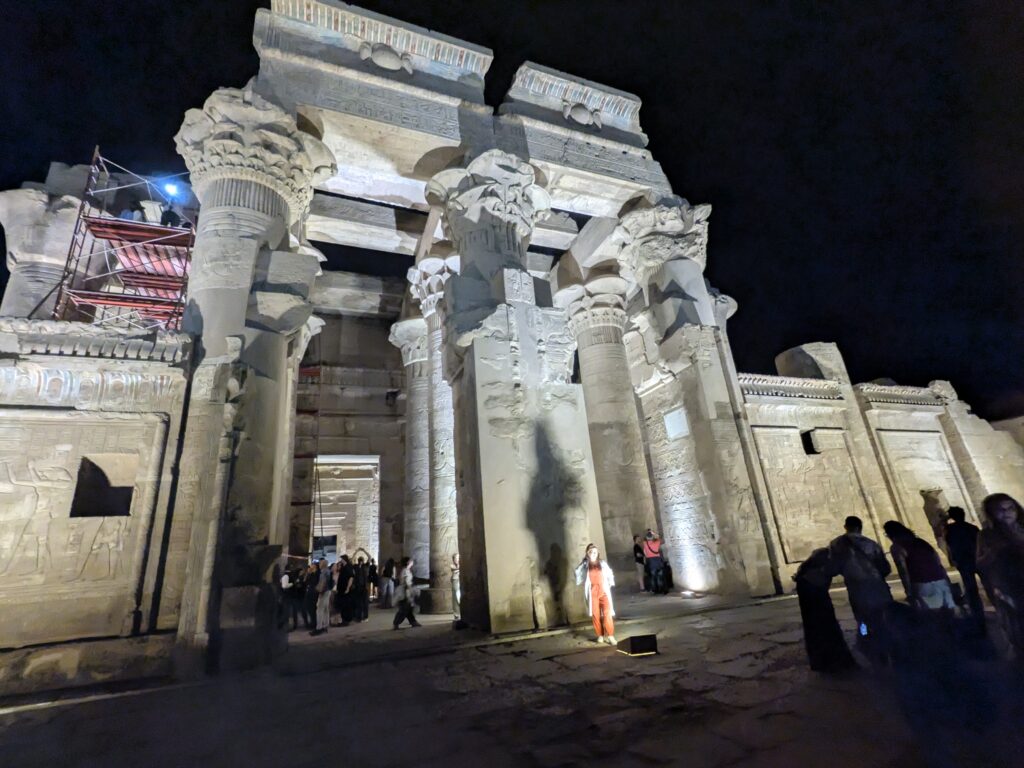
The Temple of Kom Ombo is one of those places that surprises you even if you think you’ve seen every temple along the Nile. Perched on a rise above the river between Aswan and Luxor, Kom Ombo looks, at first glance, like many other Ptolemaic‑era temples. But the moment you step inside, you realize it’s something entirely different — a temple split perfectly in two, dedicated to two very different gods, and home to one of the most unusual collections in Egypt: mummified crocodiles.
It also happens to be my favorite temple in Egypt. There’s something about its symmetry, its strangeness, and its riverside calm that makes it one of a kind and unforgettable.
Kom Ombo was built during the Ptolemaic dynasty between 180 and 47 BCE, a period when Egyptian and Greek traditions blended into something new. The temple’s most striking feature is its double design — a perfectly symmetrical layout with two entrances, two halls, and two sanctuaries, each side mirroring the other. This wasn’t an architectural flourish; it was a theological necessity. One half of the temple was dedicated to Sobek, the crocodile god associated with fertility and creation, while the other honored Haroeris (Horus the Elder), a sky god linked to protection and kingship. The two deities represented very different aspects of the divine world, and the ancient Egyptians believed they needed their own sacred spaces, even within the same temple.
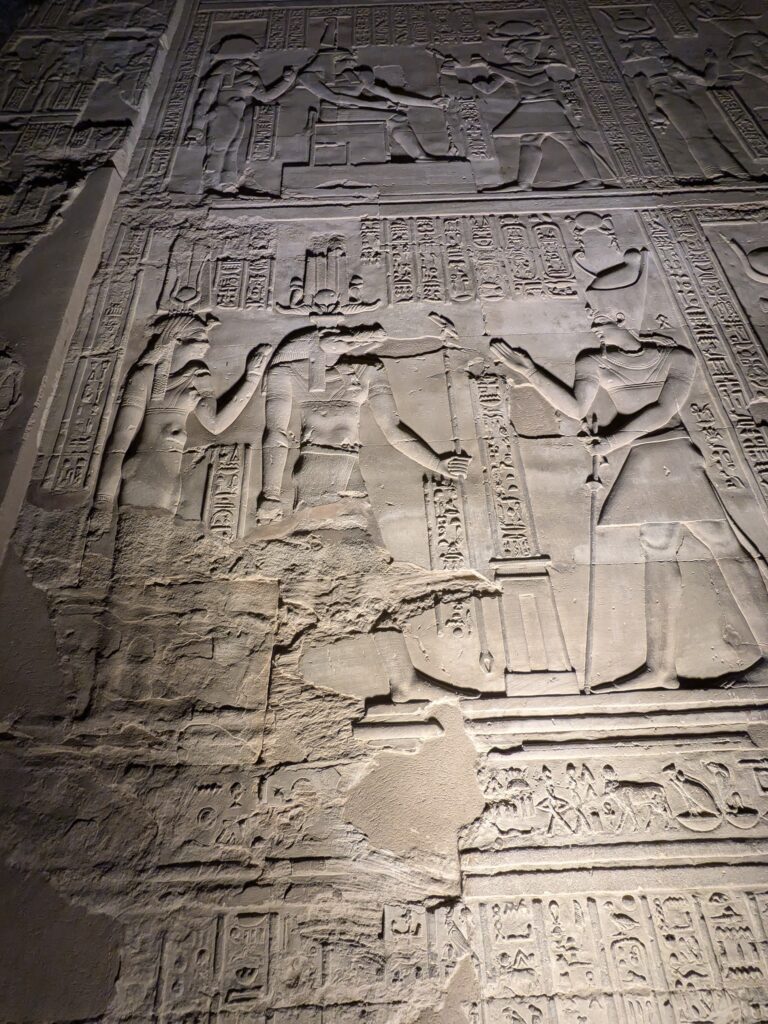
Walking through Kom Ombo, you can still see reliefs showing Sobek with his crocodile head, receiving offerings from pharaohs. On the opposite side, Haroeris appears with his falcon head, standing tall and regal. The symmetry is so precise that moving from one side to the other feels like stepping between two parallel worlds — one wild and watery, the other celestial and orderly.
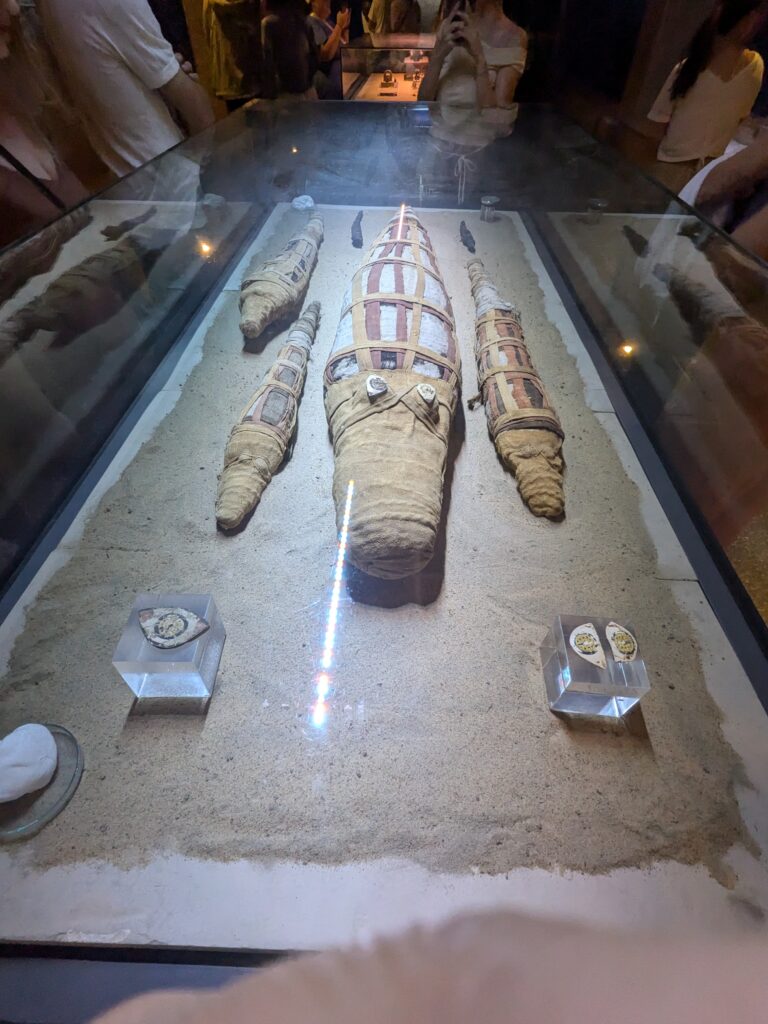
The Sobek half of Kom Ombi is where the temple’s most fascinating — and slightly eerie — history comes alive. Because Sobek was a crocodile god, the people of Kom Ombo kept live crocodiles in the area as sacred animals. When these crocodiles died, they were mummified with the same care given to humans and placed in special burial chambers. Today, many of these crocodile mummies are displayed in the Crocodile Museum next to the temple, offering a rare glimpse into a form of worship that feels both strange and deeply human — a reminder of how closely ancient Egyptians lived with the natural world and how profoundly they revered its creatures.
Kom Ombo also preserves some of the most intriguing medical reliefs in Egypt. Along one wall, you’ll find carved depictions of surgical instruments — scalpels, forceps, and other tools — offering a rare look at ancient Egyptian medical knowledge. It’s a detail that often surprises visitors and adds yet another layer to the temple’s already rich story.
Despite its unusual layout, Kom Ombo is not a large temple, and that’s part of its charm. Its riverside setting gives it a peaceful atmosphere, especially in the late afternoon when the sun turns the sandstone golden and the Nile glimmers below. It’s easy to imagine pilgrims arriving by boat, bringing offerings for Sobek or Haroeris, or perhaps seeking healing from the priests who once practiced here.
What makes Kom Ombo unforgettable — and why it’s my favorite — is the way it blends the familiar with the unexpected. You come for the temple — the columns, the reliefs, the history — but you leave thinking about mummified crocodiles and the strange beauty of a place where two gods shared one sacred space without ever touching.
🖋️Writer Spotlight: Mimi
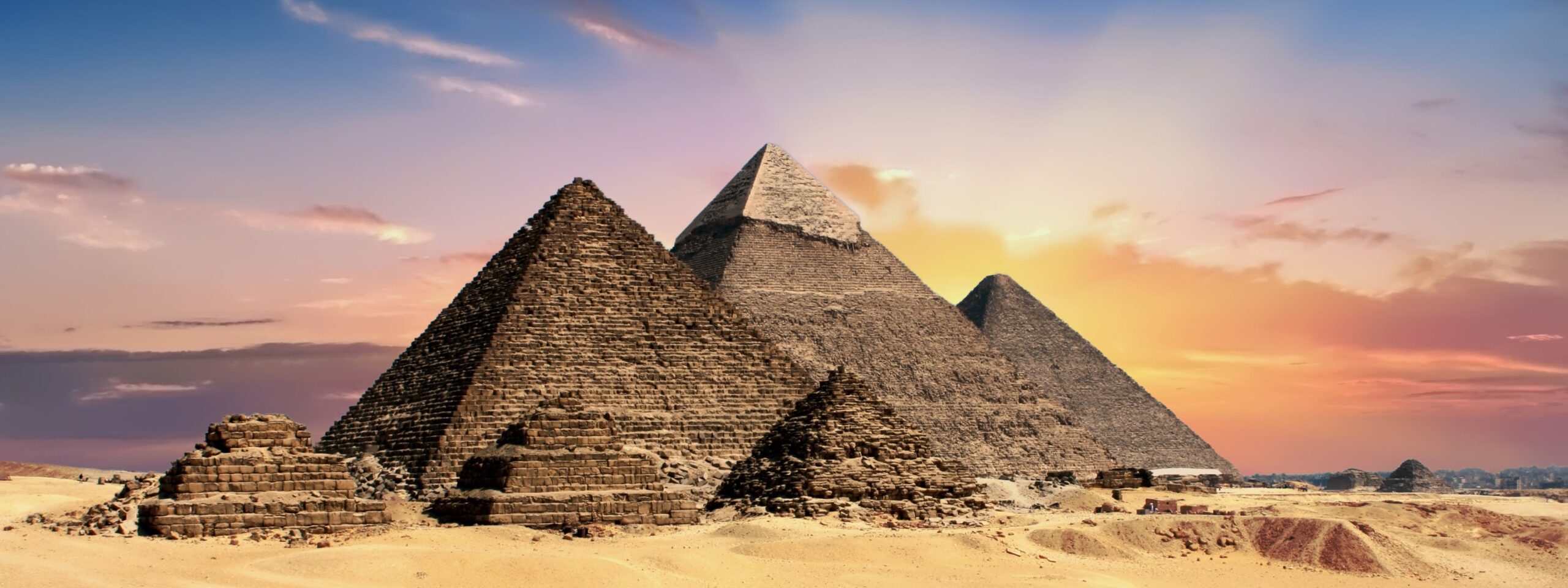
🇪🇬 Egypt (Oct 2025 Postcard)
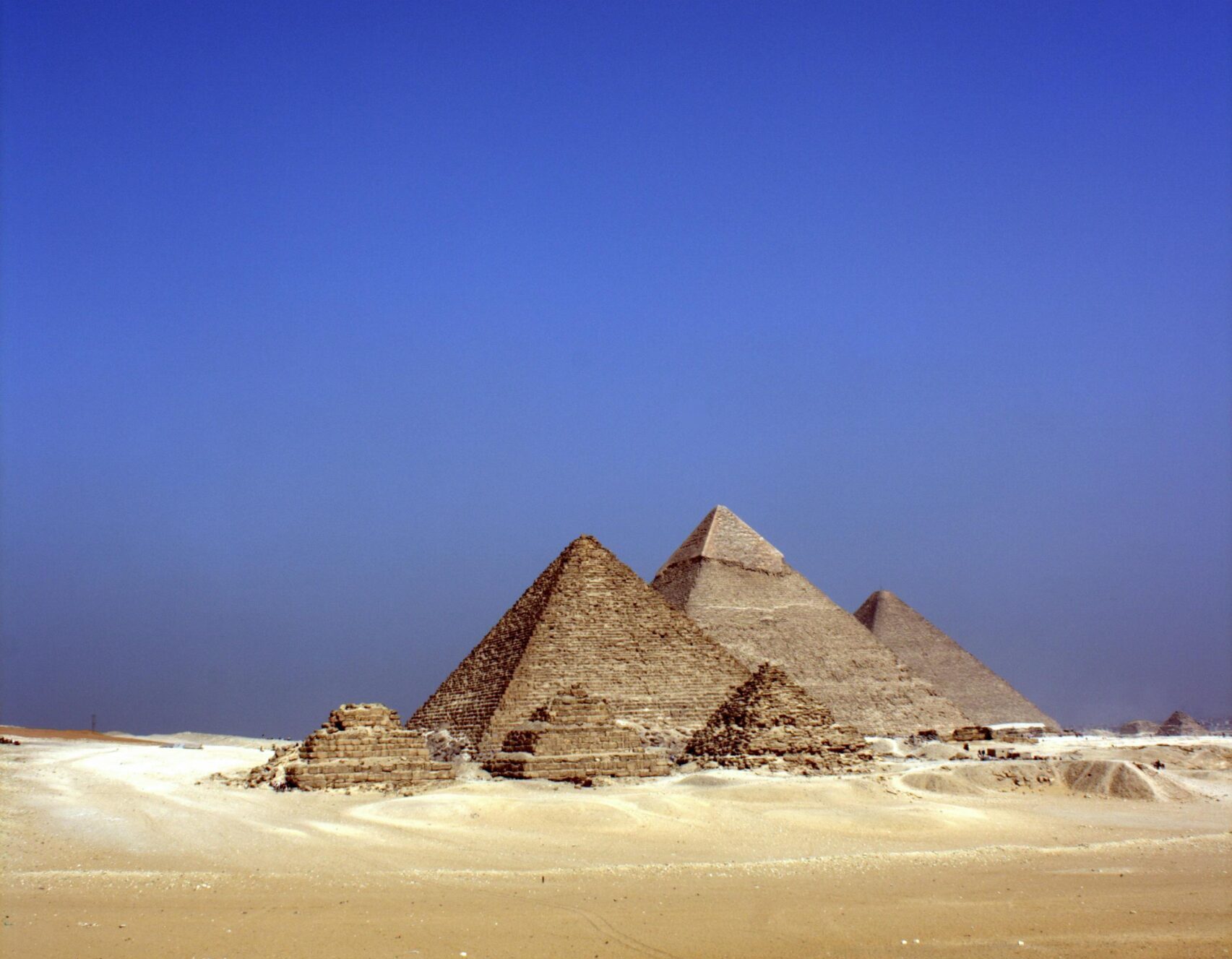
ℹ️ Important Notice for Our U.S. Members: Postcards from Egypt
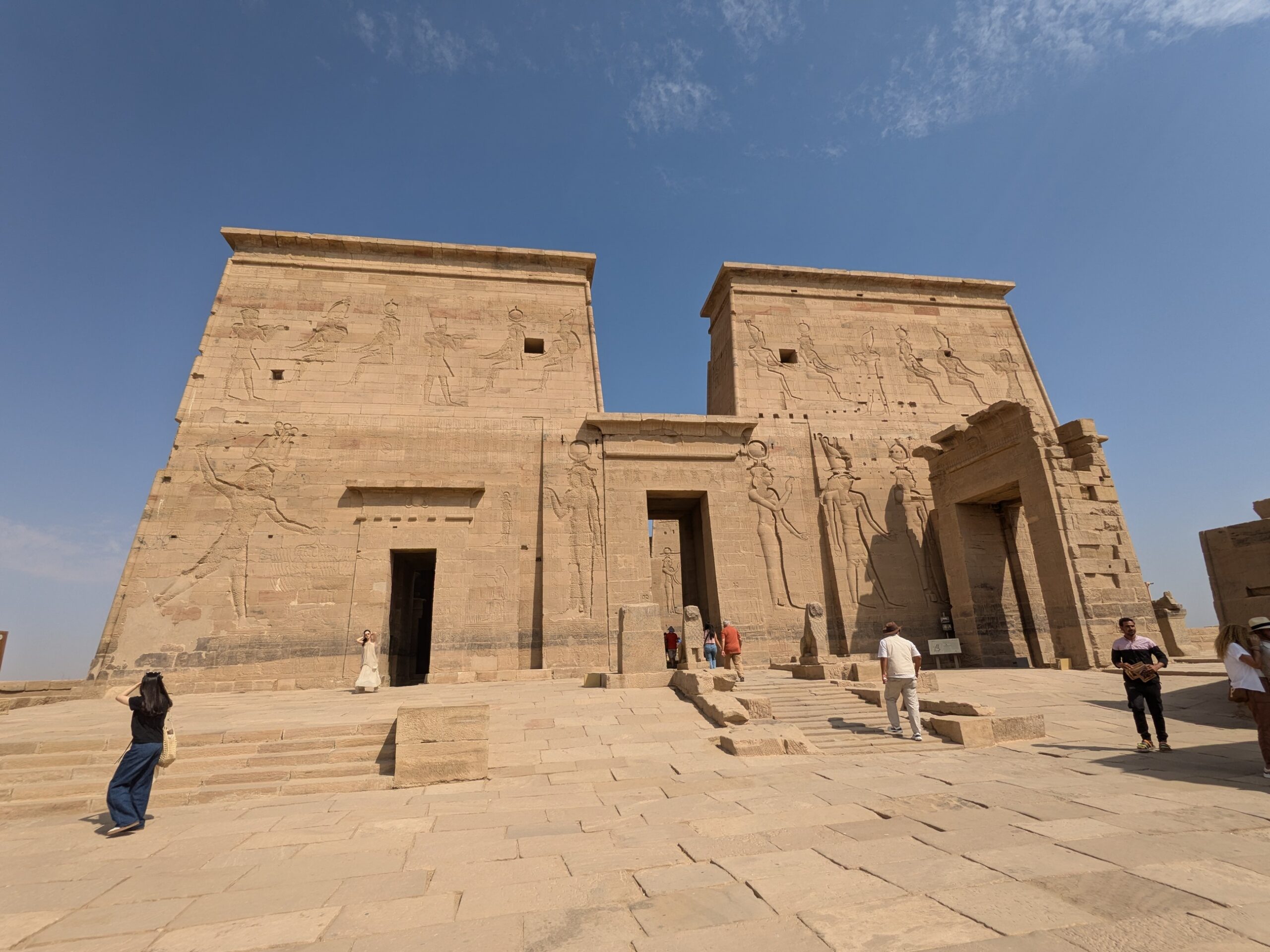
🇪🇬🏺 Philae Temple: Where Ancient Myth Meets the Nile
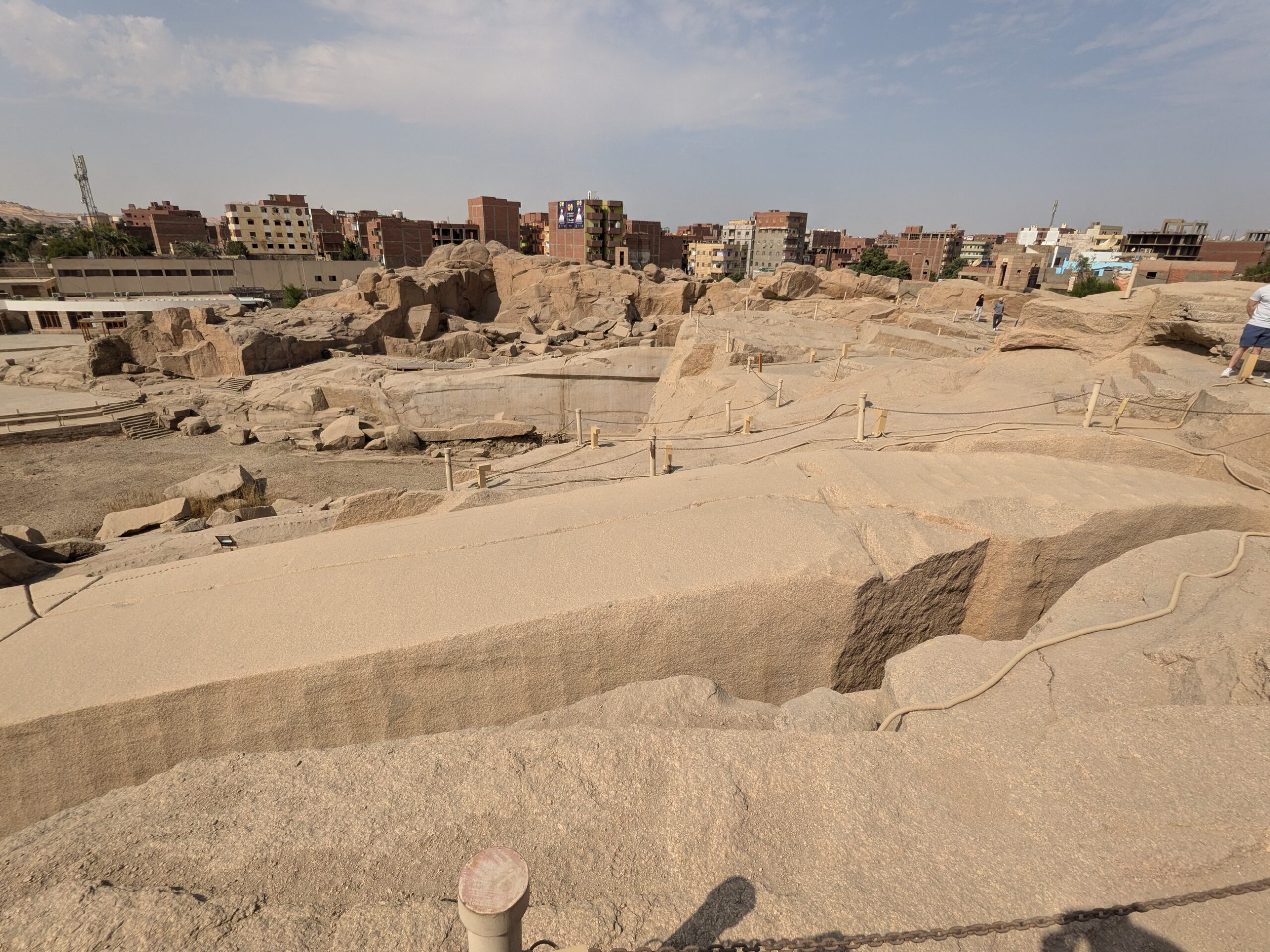
🇪🇬🪨 The Unfinished Obelisk: Egypt’s Monument That Reveals Everything
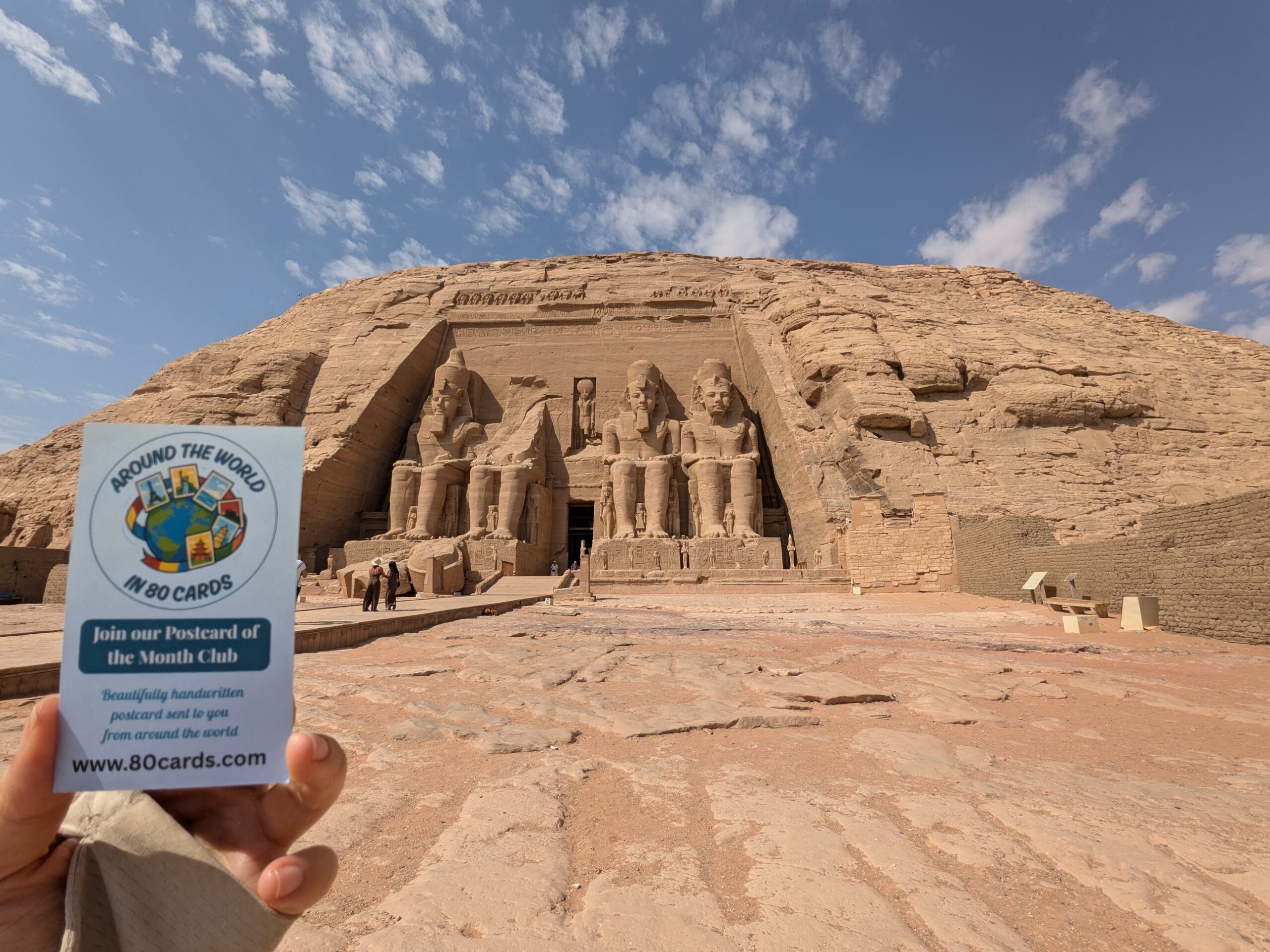
🇪🇬 Abu Simbel: From Pharaoh’s Vision to UNESCO’s Greatest Rescue
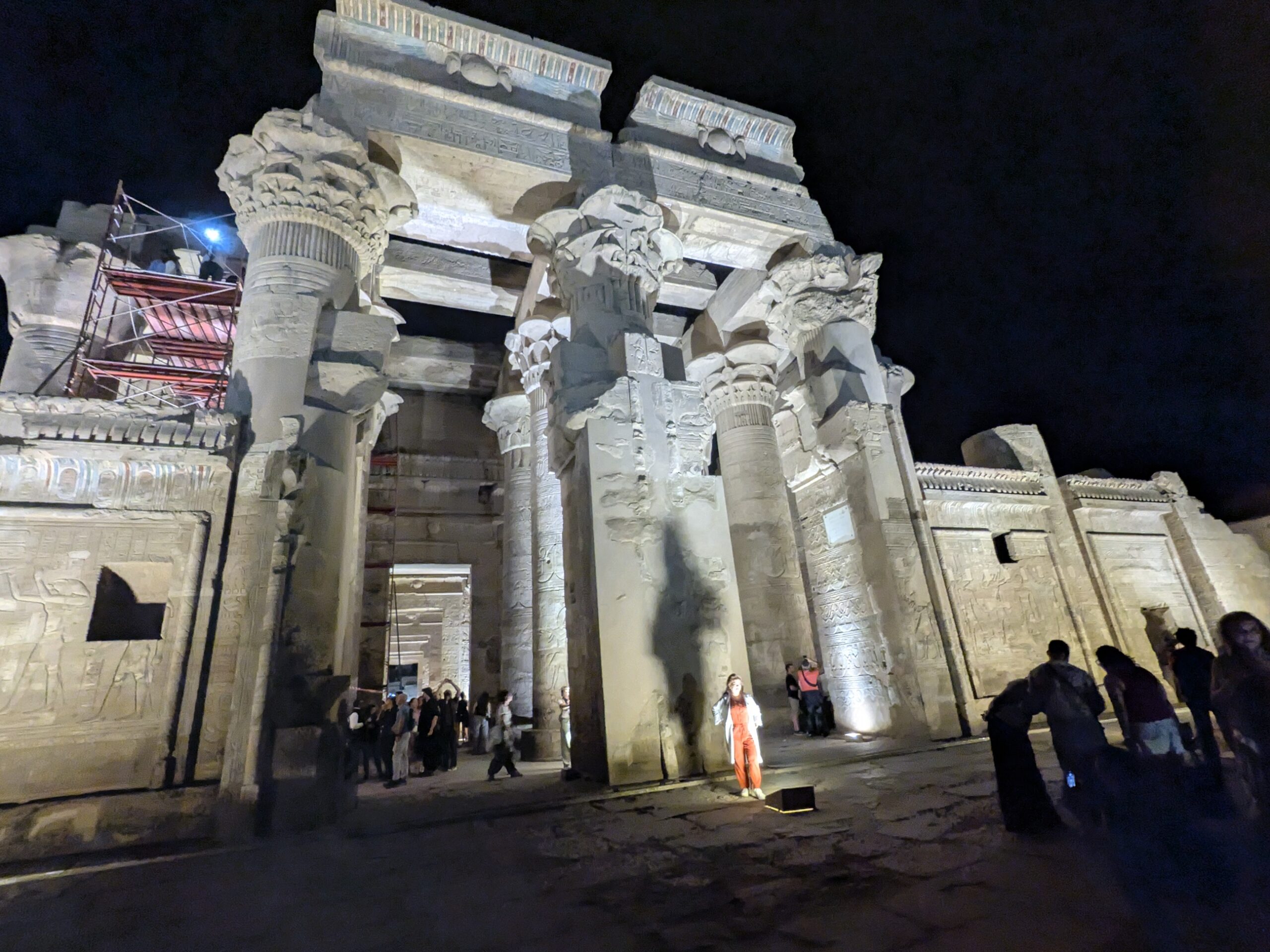
🇪🇬🐊 Kom Ombo: My Favorite Temple on the Nile
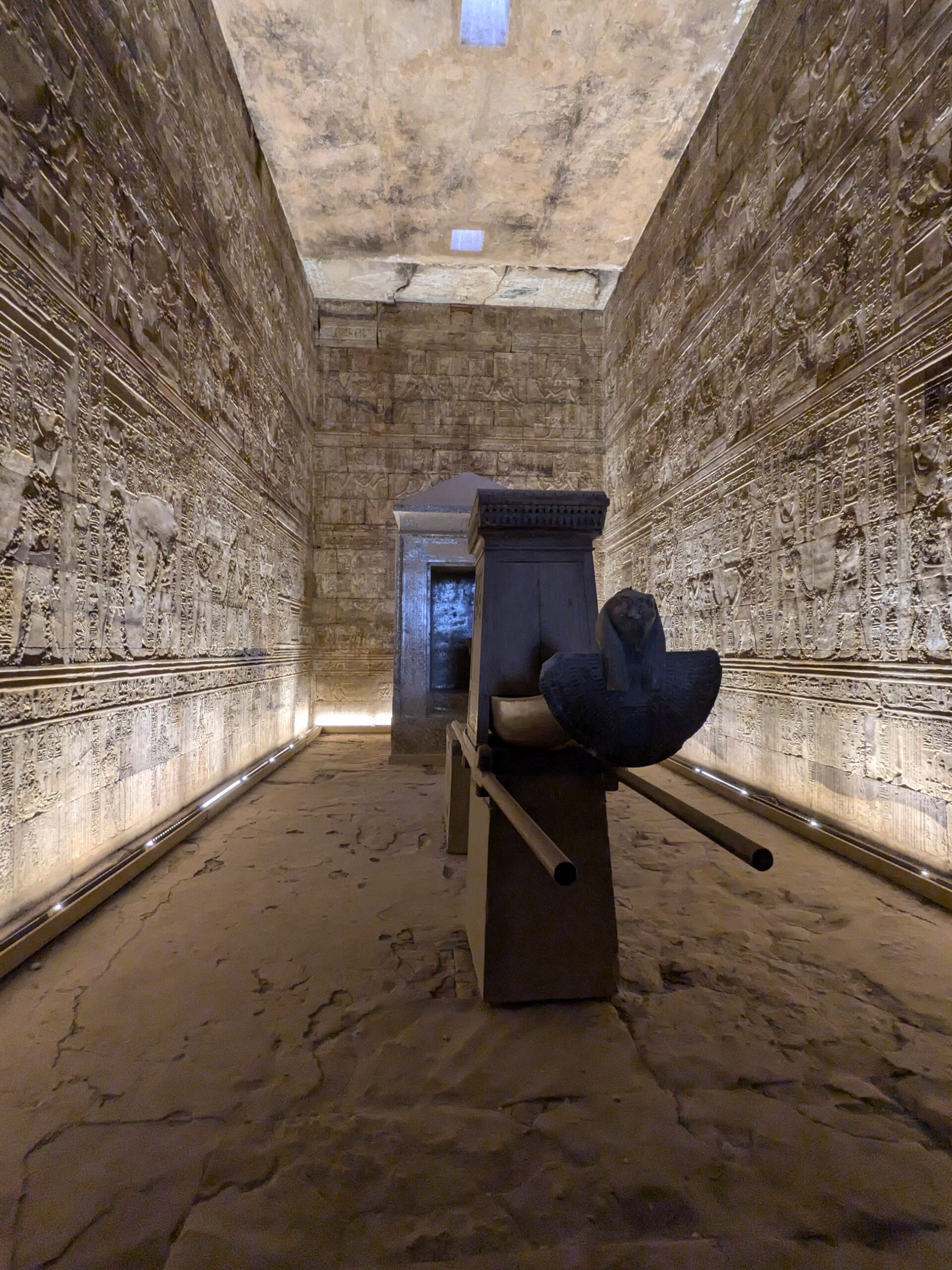
🇪🇬🦅 Edfu: Where a God Awaits for his Beloved
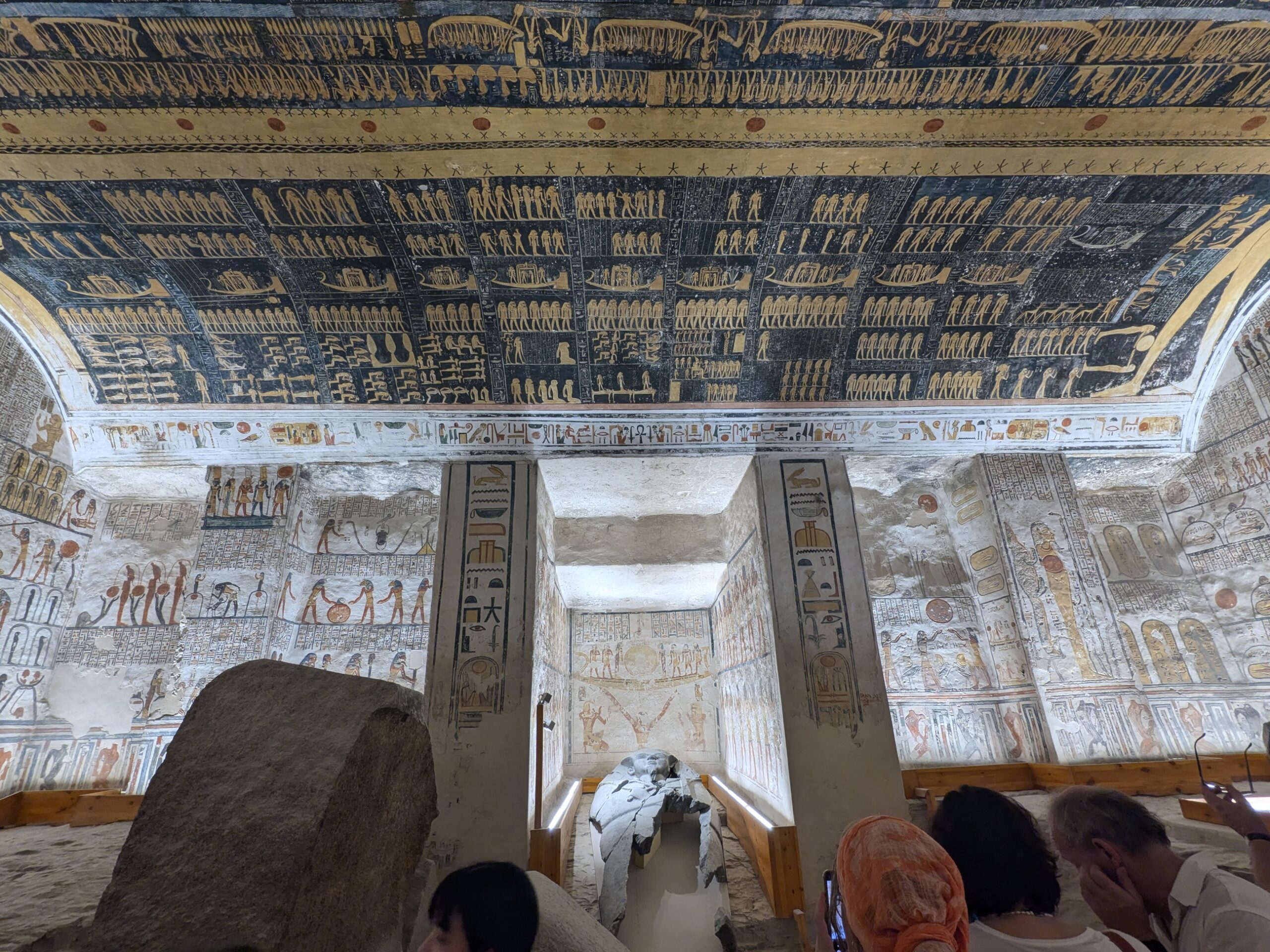
🇪🇬 Valley of the Kings: Where the Pharaohs Sleep
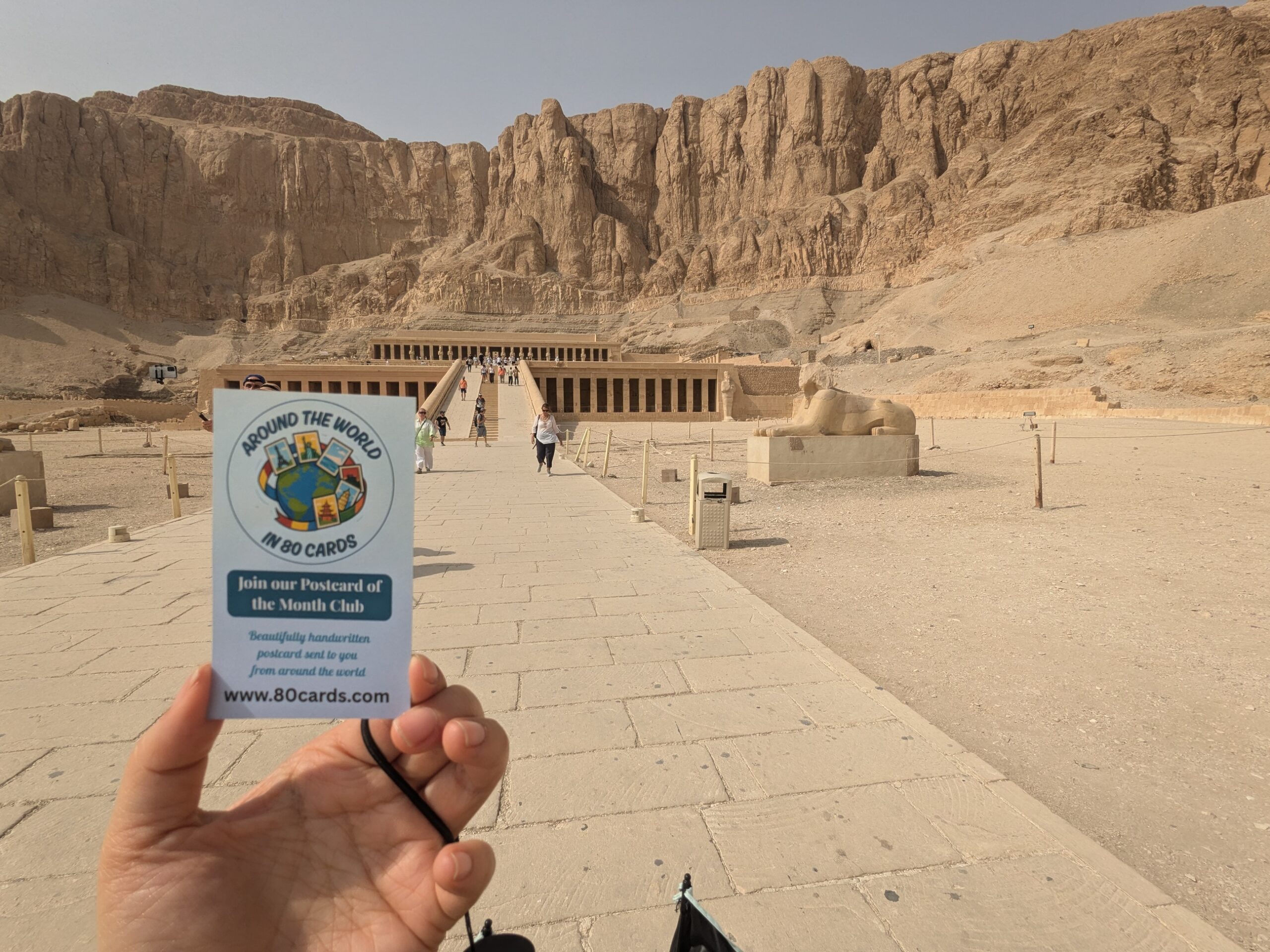
🇪🇬 The Temple of Hatshepsut: The Woman who Became King