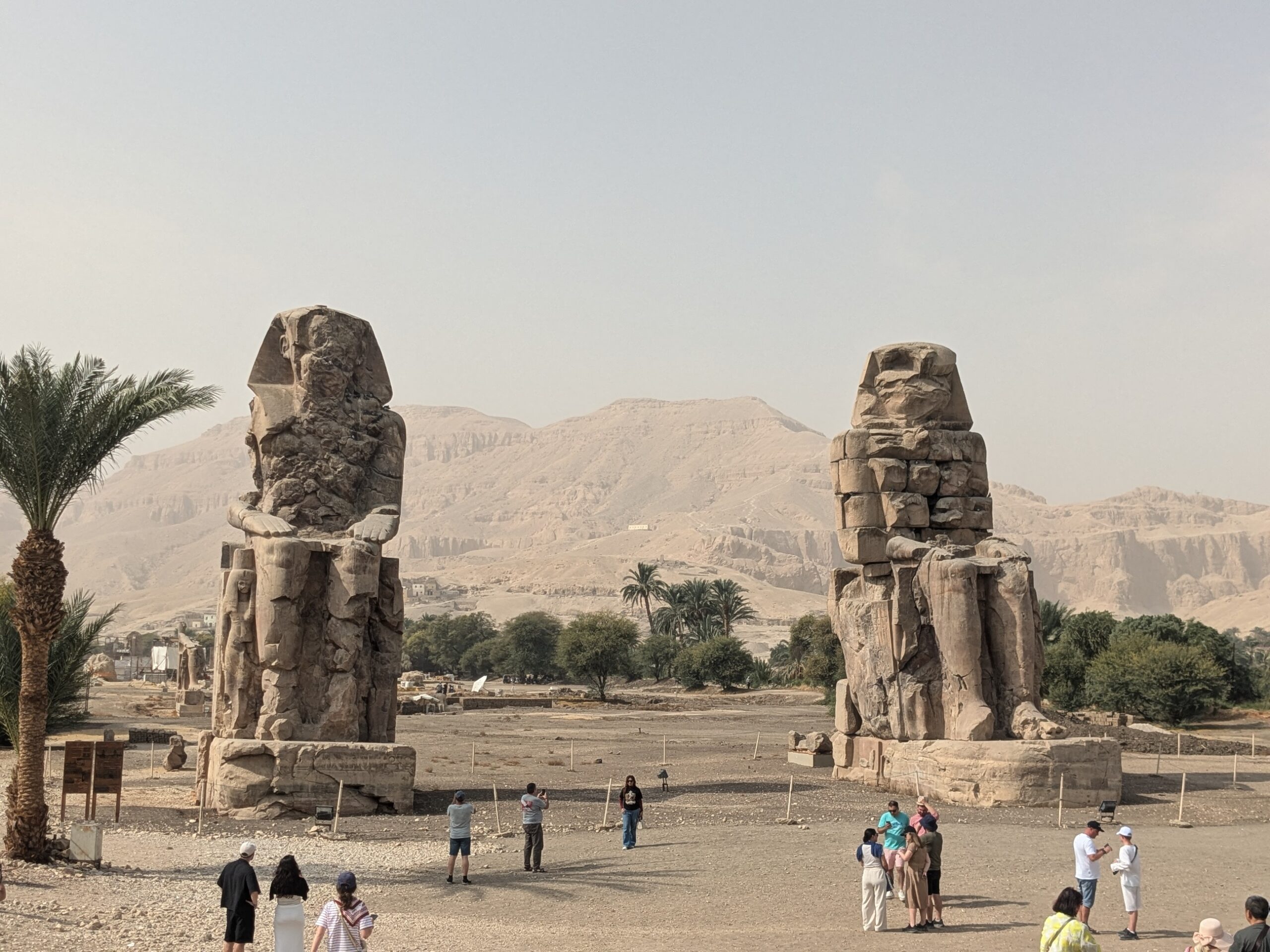
As a lover of history and culture, I’d been wanting to visit Egypt for many years. Visiting Philae Temple is one of those experiences that quietly takes your breath away – approaching it by boat, watching its columns rise from the Nile like a mirage. It feels less like arriving at a monument and more like stepping into a story that has been unfolding for thousands of years.
Philae Temple has a long and layered history, but the version we see today was built primarily during the Ptolemaic Period, beginning under Ptolemy II Philadelphus (285–246 BCE). As with many other temples, later rulers, including Ptolemy III and several Roman emperors such as Augustus, Tiberius, and Hadrian, continued to expand and decorate the complex.
Although the island had been considered sacred to Isis since much earlier times, the Ptolemies transformed it into a major religious center dedicated to Isis, the mother of Horus and one of the most important goddesses in ancient Egypt. The temple served as a pilgrimage site where worshippers honored Isis as a protector, healer, and powerful magician.
Philae also holds a unique place in history: it was one of the last active temples of ancient Egyptian religion, remaining in use until the Byzantine Emperor Justinian I ordered its closure in the 6th century CE. The very last known hieroglyphic inscription ever carved in Egypt — dated to 394 CE — was made by a priest of Isis here at Philae
🚤 A Temple Rescued From the Water
Unbelievably, Philae Temple was almost lost forever. Due to the construction of the Aswan dams in the early 20th century, the island that Philae was on became submerged. For decades, the temple stood partially underwater — the tops of columns visible above the surface, while the lower reliefs faded beneath the current. Early visitors described rowing between the columns as if exploring a half‑sunken world.
By the 1960s, it was clear that Philae would eventually be lost forever.
In response, UNESCO launched an extraordinary rescue mission. Between 1972 and 1980, engineers dismantled the entire complex, moved it block by block, and reconstructed it on the higher island of Agilkia. It was one of the most ambitious archaeological relocations ever attempted — and it saved Philae from disappearing beneath the Nile.
Standing on the island today, it’s hard not to feel grateful that the temple survived at all.
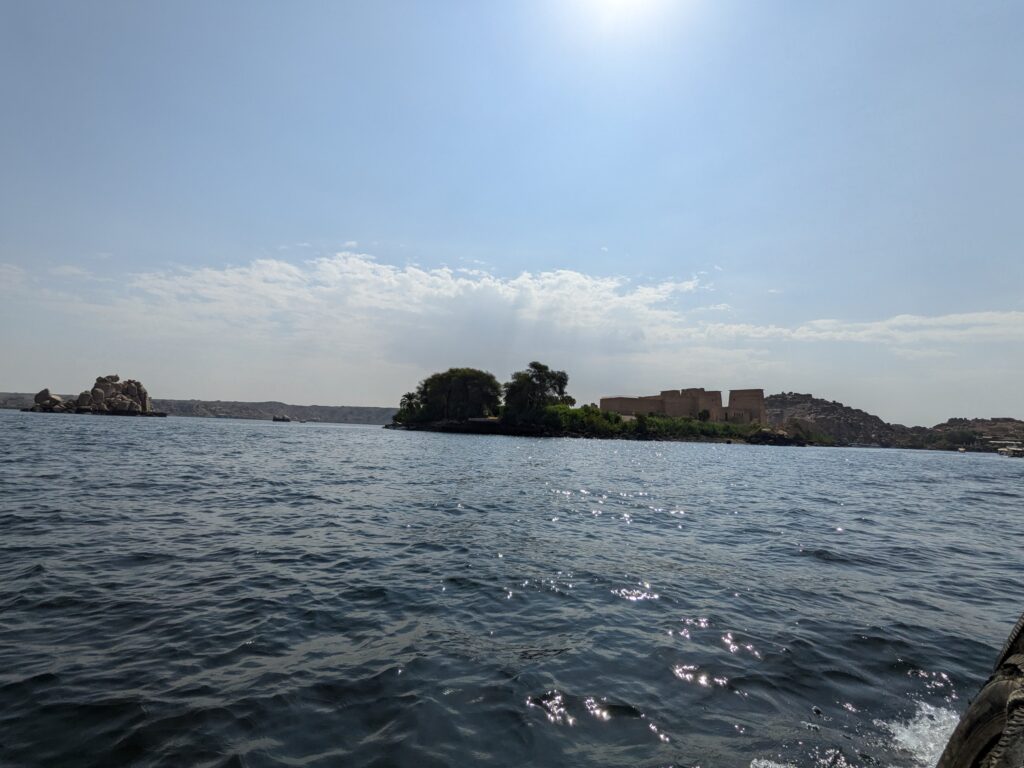
🧿 The Heart of Philae: The Goddess Isis
Philae is dedicated to Isis, one of the most important deities in ancient Egyptian religion. She was associated with magic, healing, protection, and motherhood, and her cult remained active well into the Roman period. Pilgrims once traveled from across the Mediterranean world to worship her here.
Understanding her story adds a deeper layer to the experience of walking through the temple.
🦁 The Myth Behind the Temple: Isis, Osiris, Set, and Horus
The myth connected to Philae is dramatic, emotional, and surprisingly familiar. Its themes — betrayal, loss, resilience, and rightful succession — echo through stories from Hamlet and The Lion King.
🌟 The Main Figures
- Osiris — a wise and just king
- Isis — his devoted and powerful wife
- Set — Osiris’s jealous brother
- Horus — the son destined to restore order
🗡️ Set’s Betrayal
Driven by jealousy, Set murders Osiris. In one version, he tricks him into lying inside a beautifully crafted chest, seals it, and throws it into the Nile. Later, he dismembers the body and scatters the pieces across Egypt.
🌊 Isis’s Search
Isis refuses to abandon her husband. She travels across the land, gathering the pieces of Osiris. Through her magic, she restores him long enough to conceive their son, Horus.
Osiris becomes ruler of the afterlife, while Horus becomes the heir to justice.
🦅 Horus’s Fight for the Throne
Horus grows up and challenges Set. Their conflict lasts for years and includes battles, transformations, and even a divine courtroom trial. Eventually, Horus is declared the rightful king, symbolizing the triumph of order over chaos.
This story — of loyalty, grief, and restoration — is carved throughout the temple.
🏛️ Parts of the Philae Temple Complex
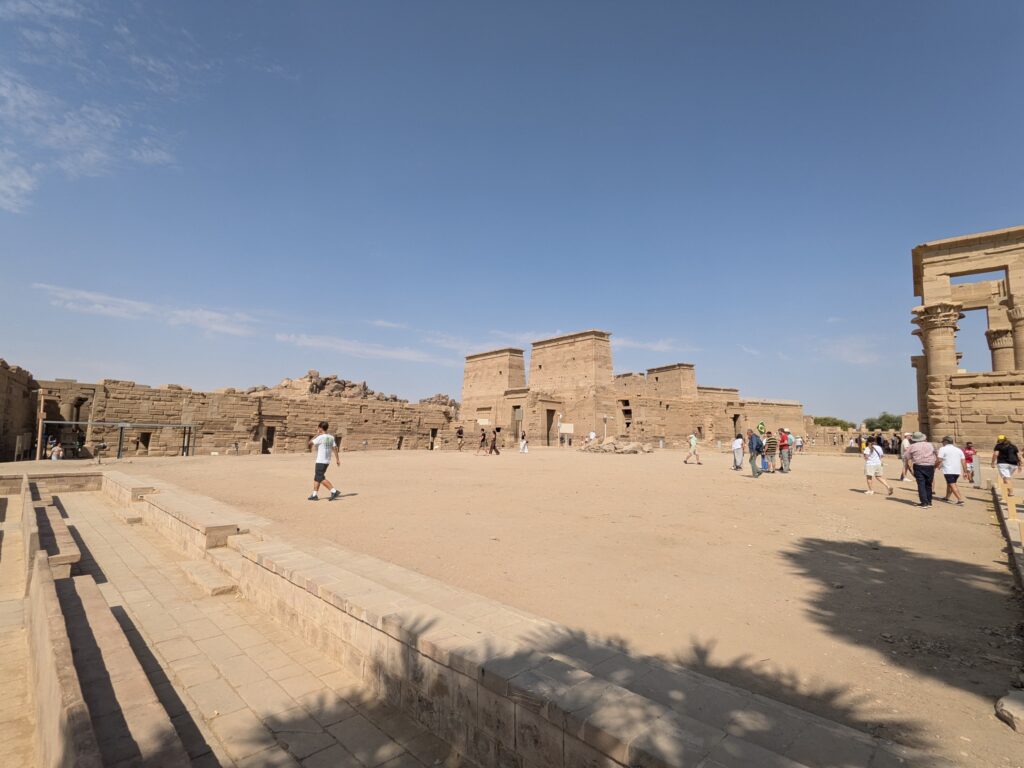
The Philae complex isn’t just one temple — it’s a collection of shrines, gateways, courtyards, and ceremonial spaces built over centuries. Much of what stands today dates to the Ptolemaic Period, with additions continuing into the Roman era. The temple complex is beautifully preserved, and the myth appears everywhere in the reliefs.
Below is a deeper look at the main structures.
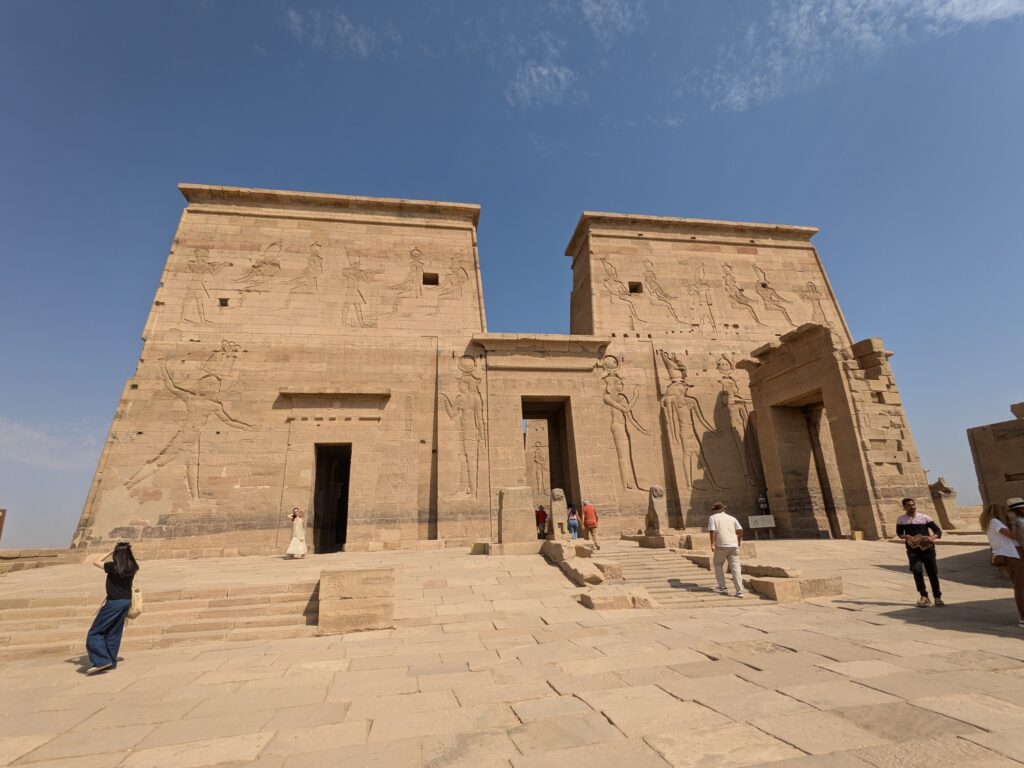
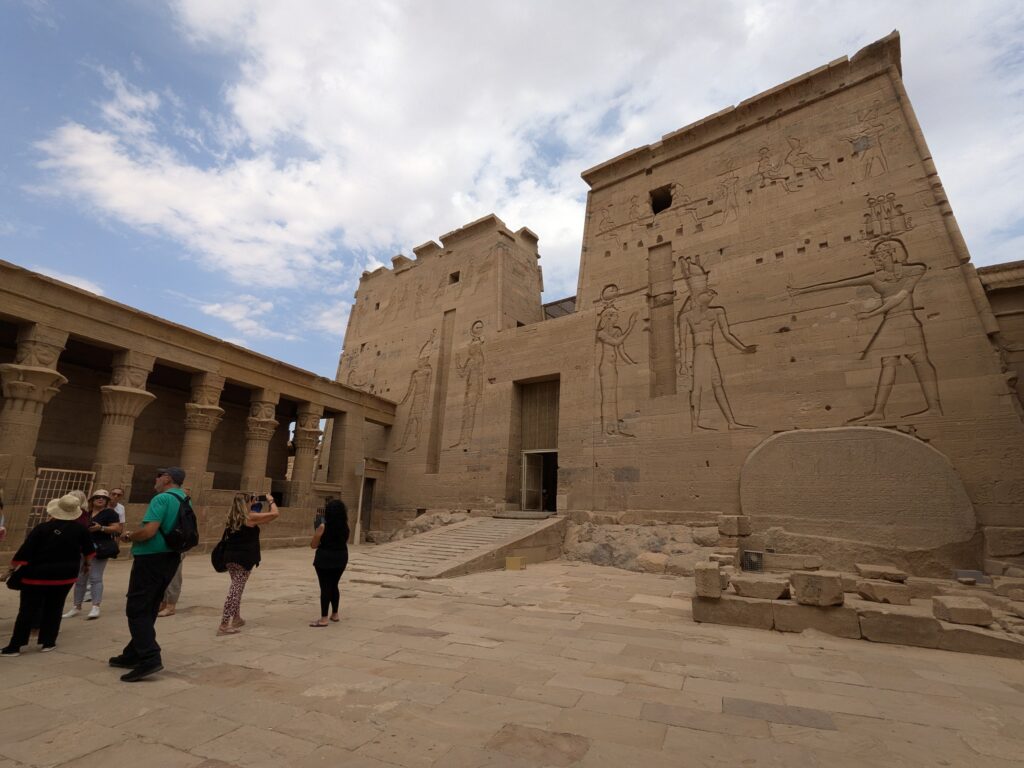
The First Pylon
This is the monumental gateway that marks the formal entrance to the Temple of Isis.
Two monumental towers decorated with scenes of pharaohs offering to the gods and triumphing over enemies. The reliefs reflect the Ptolemaic rulers’ desire to legitimize their rule by associating themselves with traditional Egyptian religious imagery
The pylon creates a dramatic transition from the outside world into the sacred precinct.
The Hypostyle Hall
Passing through the gates of the first pilon is a hall filled with rows of columns topped with lotus, papyrus, and palm capitals, symbols of life and rebirth in Egyptian art.
This space served as a transitional zone between the public areas and the more sacred inner chambers.
The decorative program blends Egyptian and Greco‑Roman styles, reflecting the multicultural world of the Ptolemies
The Sanctuary of Isis
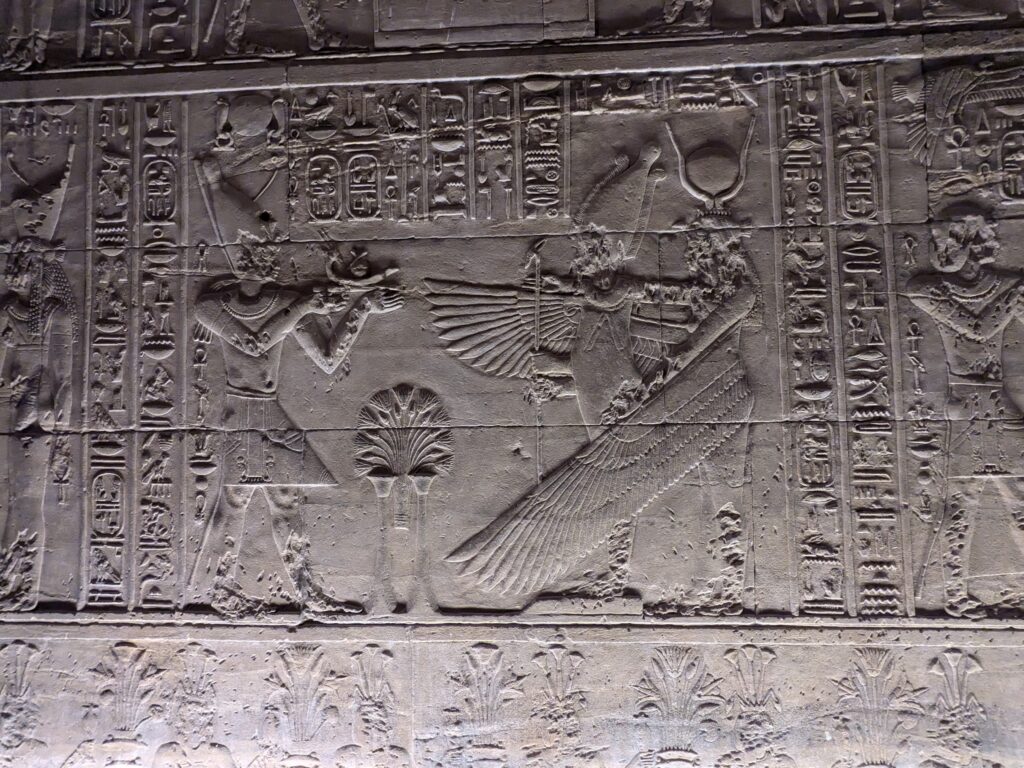
At the heart of the temple lies the sanctuary. The most sacred part of the temple, where the ceremonial sacred barque (ritual boat) of Isis would have been kept. The sanctuary was the focal point of worship, accessible only to priests. Reliefs inside depict offerings to Isis and scenes tied to the Osiris myth, emphasizing the temple’s role as a center of devotion to the goddess
Trajan’s Kiosk
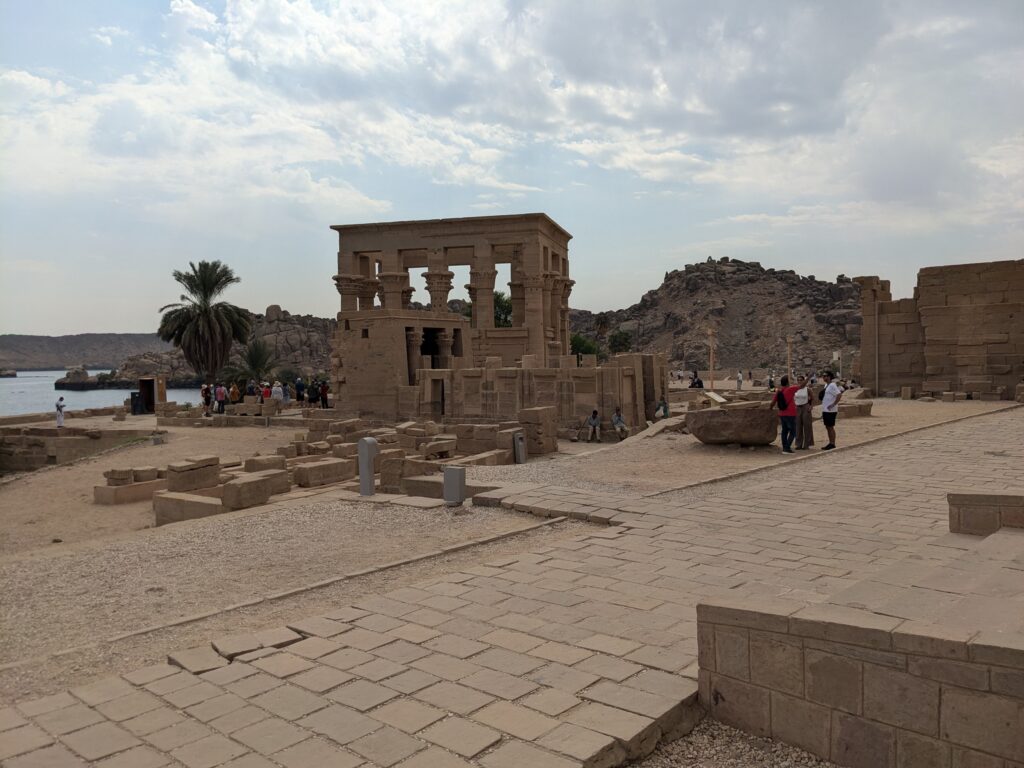
A graceful pavilion near the water, often photographed for its elegant silhouette. Built during the Roman period, likely under Emperor Trajan.
🌅 The Atmosphere
Philae has a calm, almost contemplative feel. The sound of the river, the warm stone, and the soft light create an atmosphere that’s both peaceful and deeply connected to the past. It’s easy to understand why this island was once a major pilgrimage destination.
For anyone visiting Egypt, Philae offers a perfect blend of history, mythology, and natural beauty. It’s a place where ancient stories feel close, where modern engineering meets ancient artistry, and where the Nile seems to hold both past and present at once.

🖋️Writer Spotlight: Mimi
🇪🇬 Egypt (Oct 2025 Postcard)
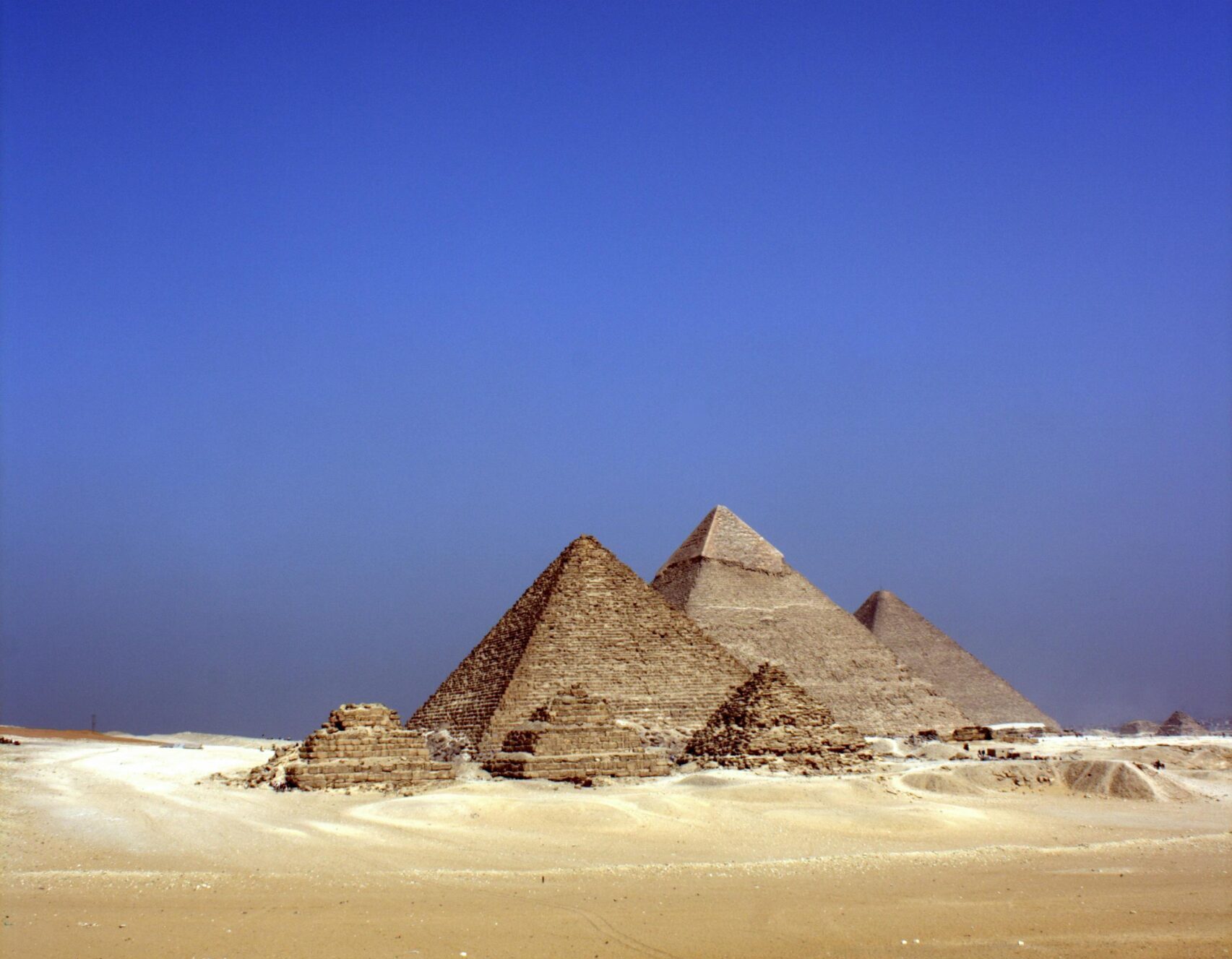
ℹ️ Important Notice for Our U.S. Members: Postcards from Egypt
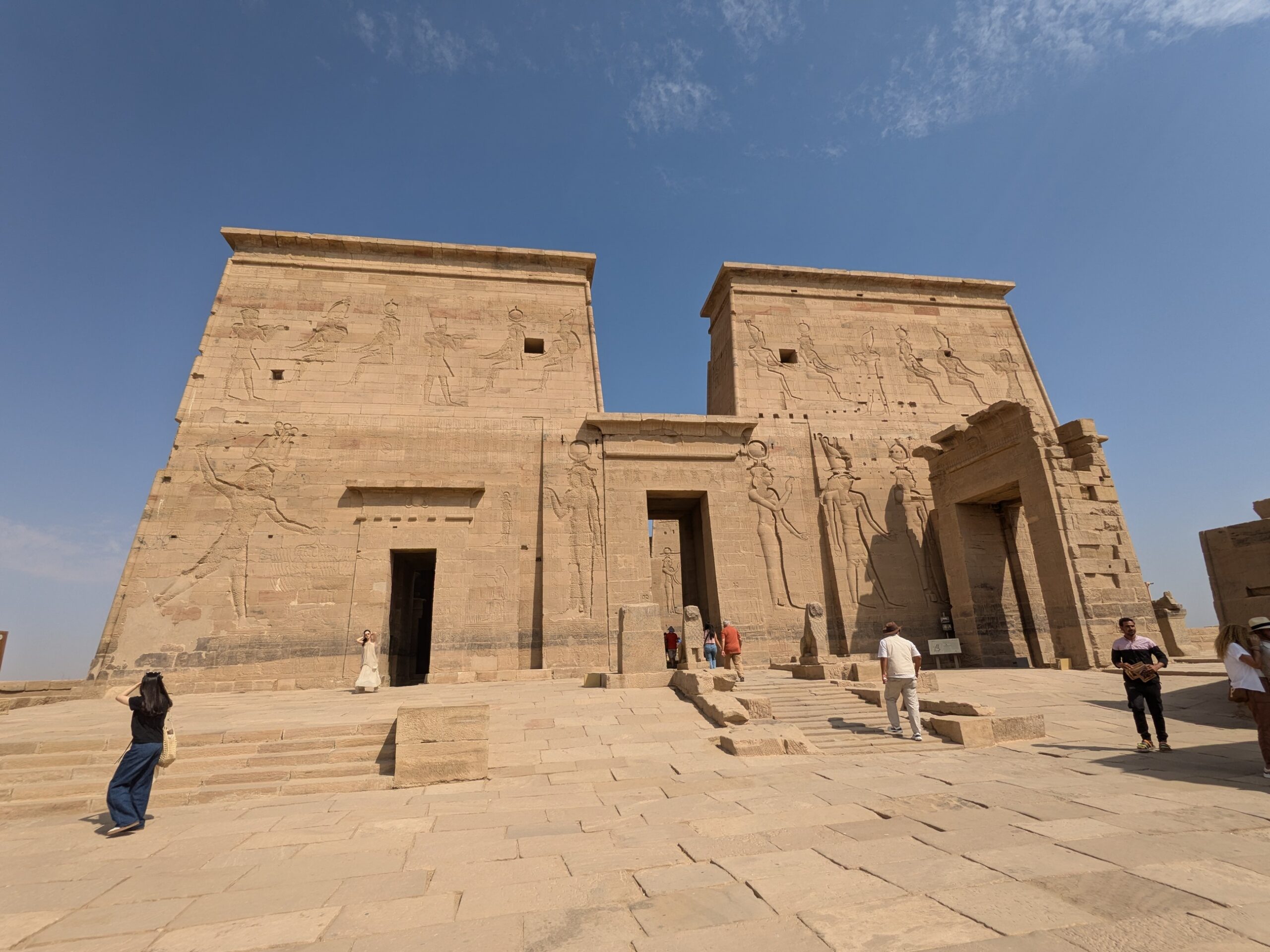
🇪🇬🏺 Philae Temple: Where Ancient Myth Meets the Nile
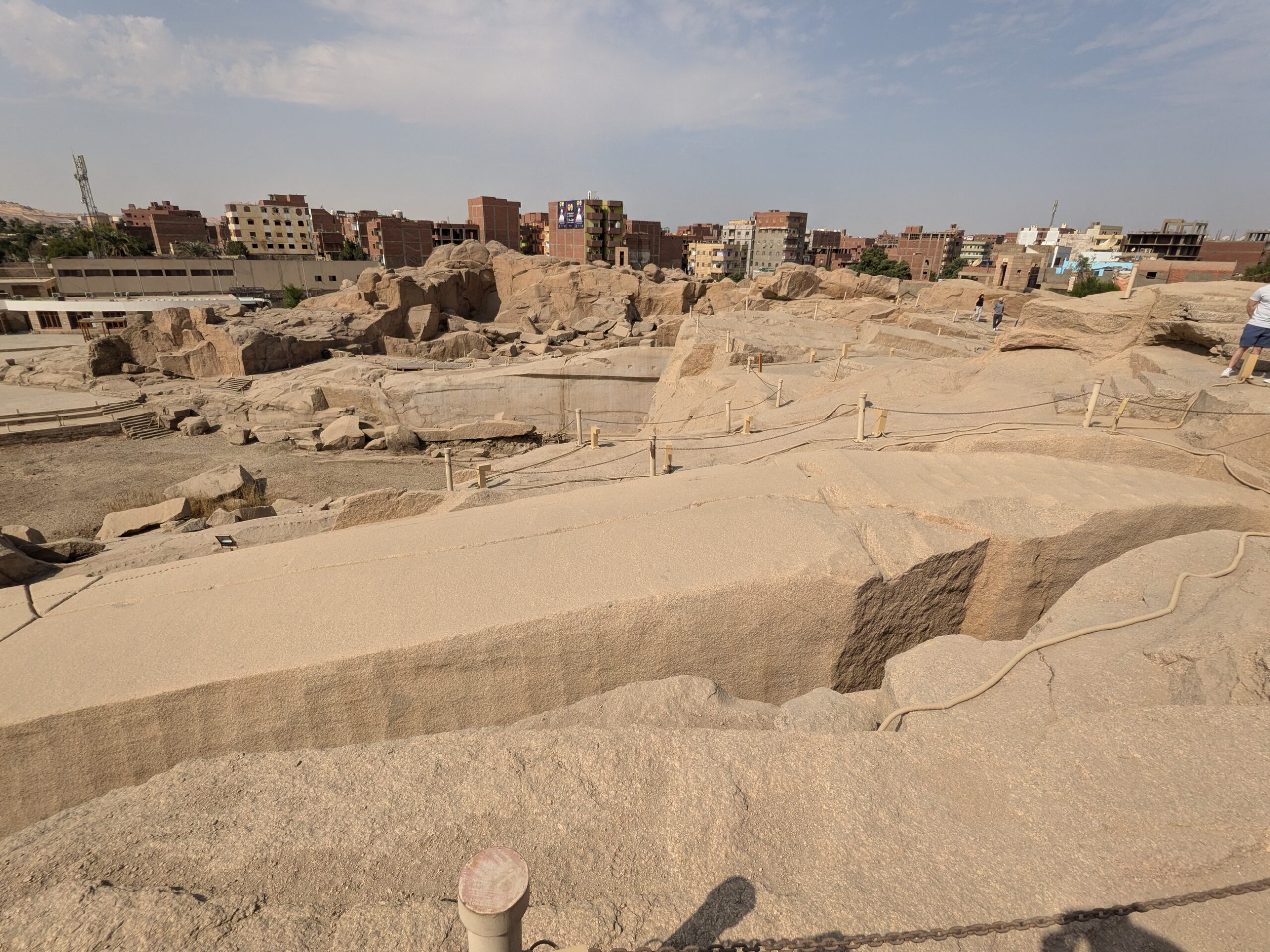
🇪🇬🪨 The Unfinished Obelisk: Egypt’s Monument That Reveals Everything
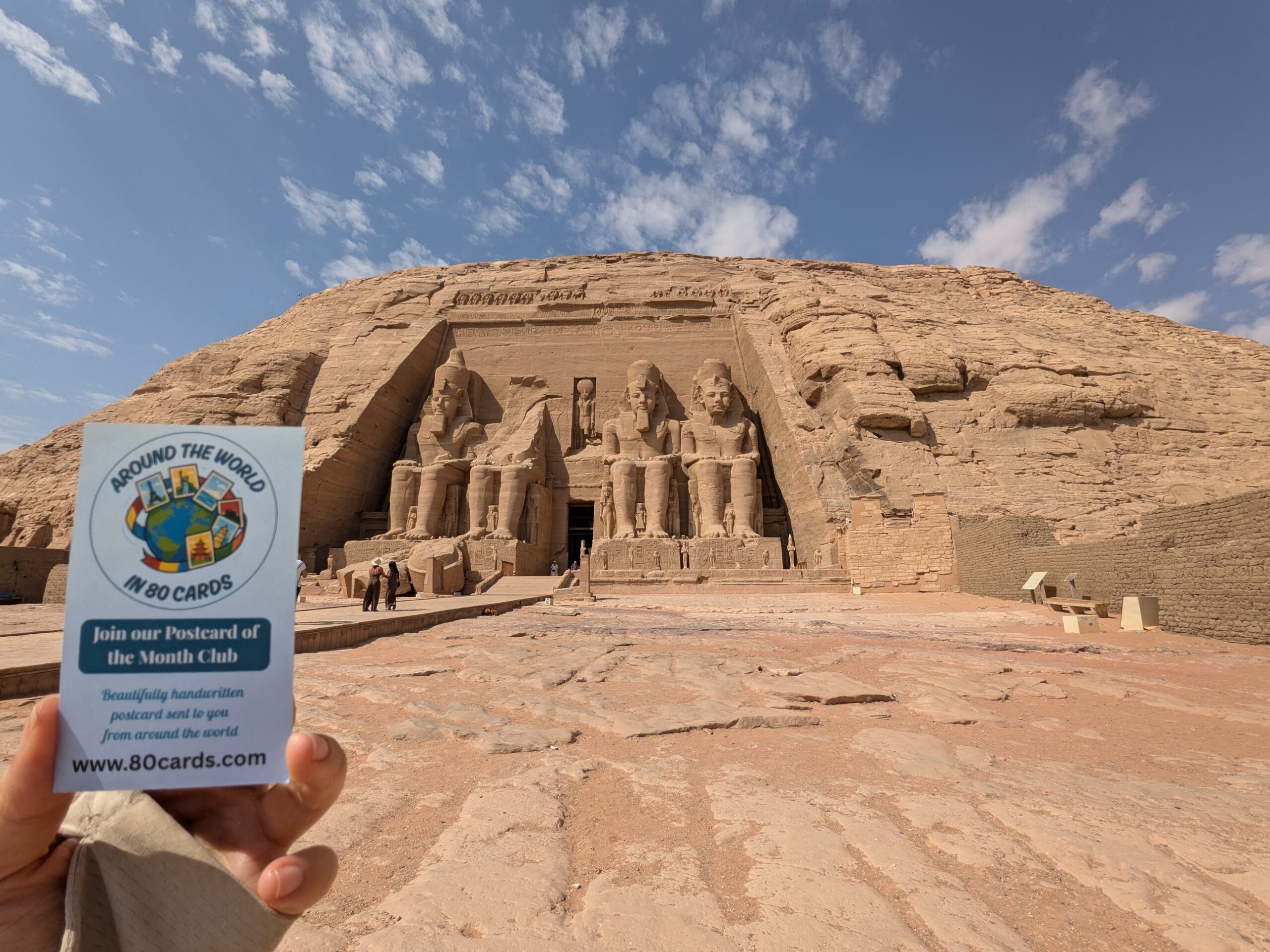
🇪🇬 Abu Simbel: From Pharaoh’s Vision to UNESCO’s Greatest Rescue
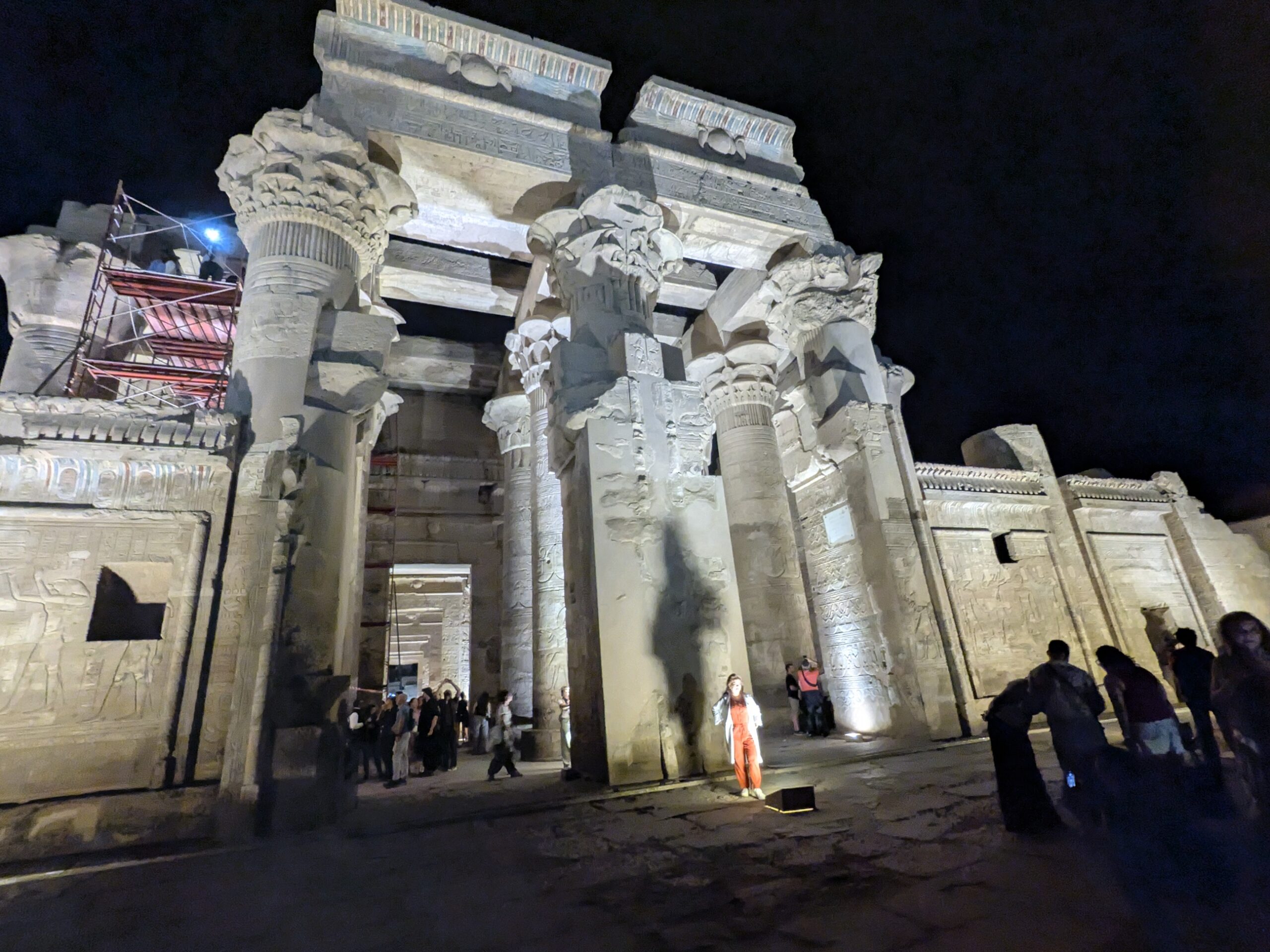
🇪🇬🐊 Kom Ombo: My Favorite Temple on the Nile
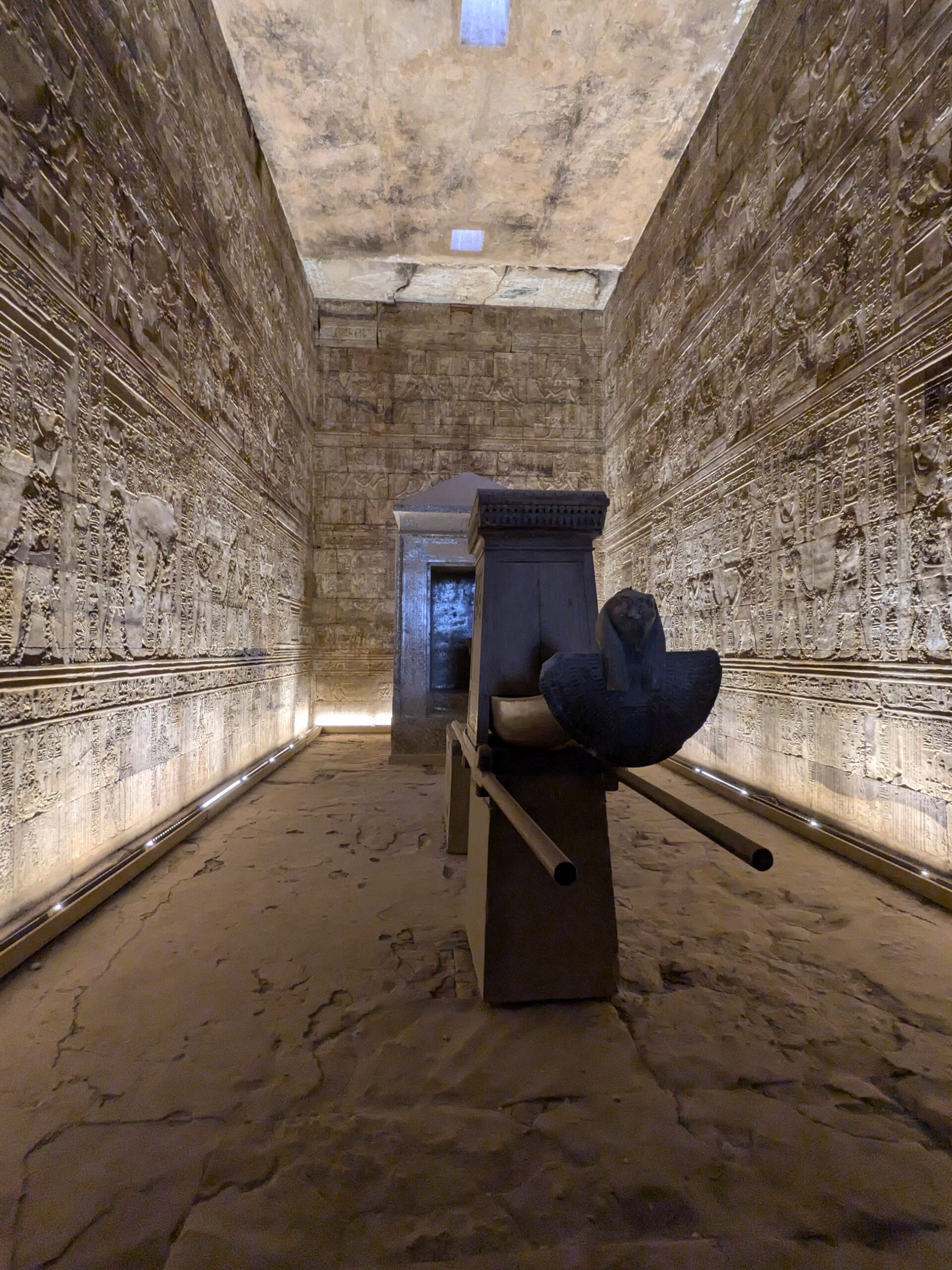
🇪🇬🦅 Edfu: Where a God Awaits for his Beloved
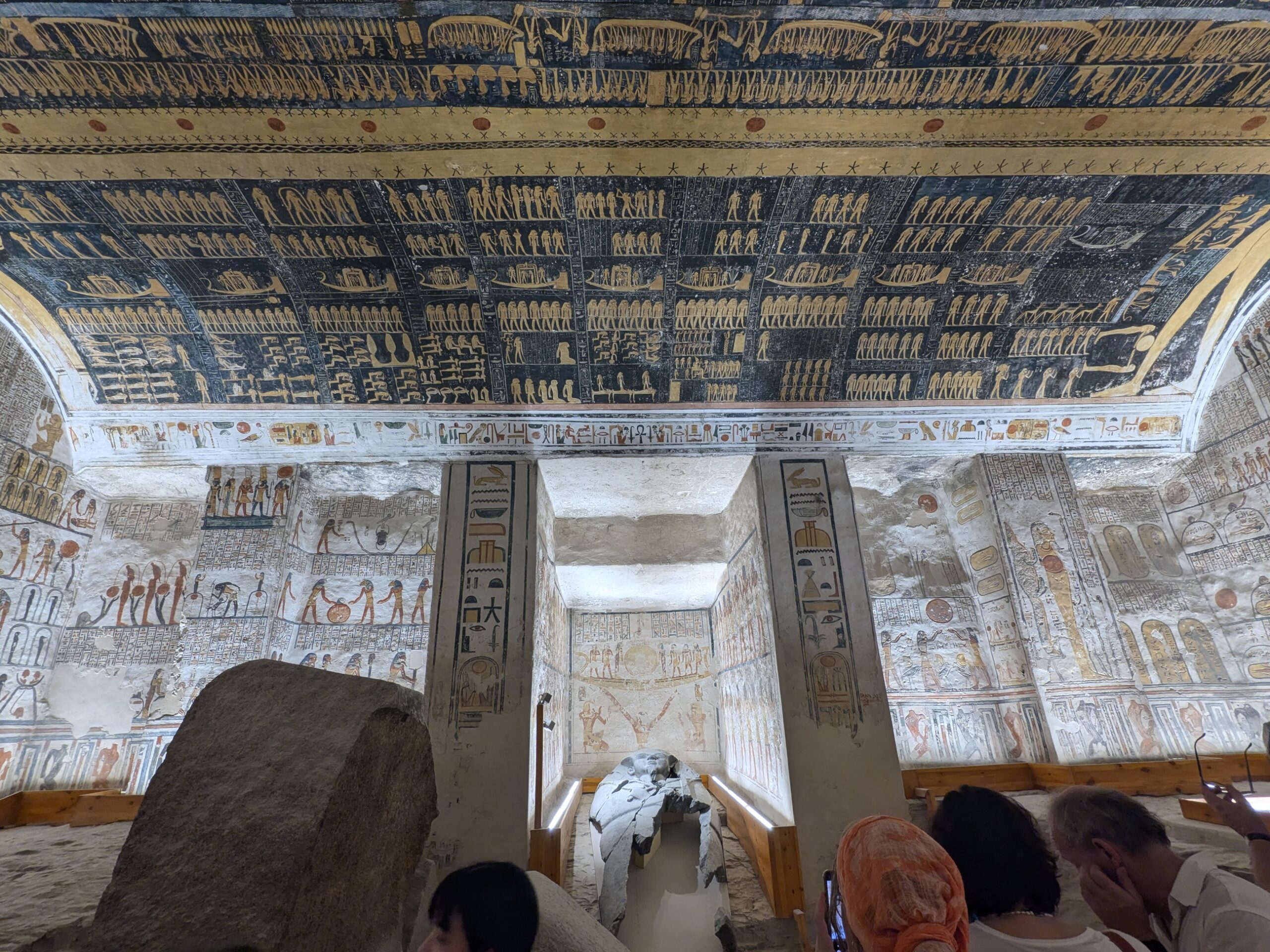
🇪🇬 Valley of the Kings: Where the Pharaohs Sleep
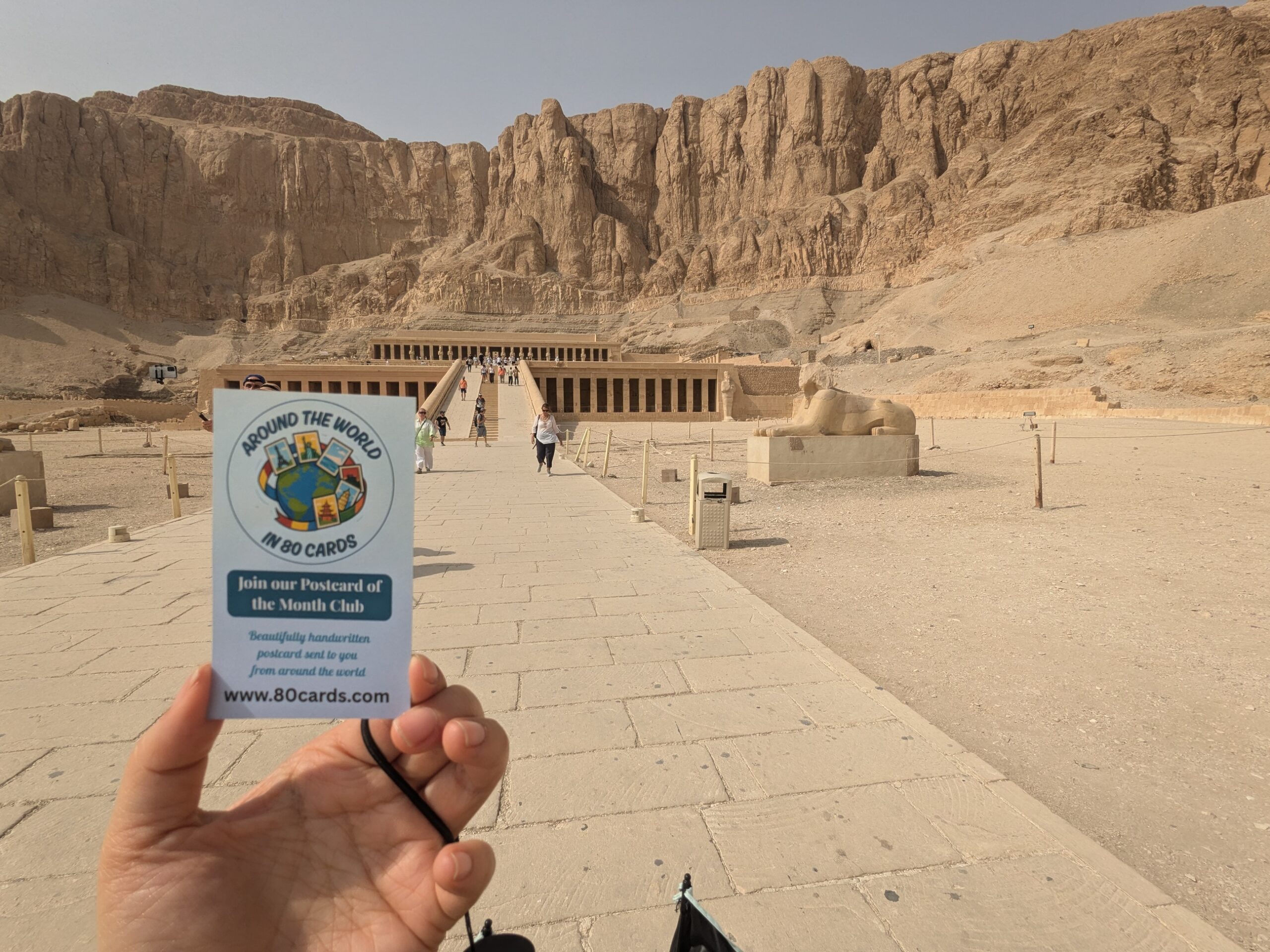
🇪🇬 The Temple of Hatshepsut: The Woman who Became King